When it comes to hair growth supplements, two names dominate the conversation: collagen and biotin. Both are touted as miracle workers for thicker, longer, and healthier hair, but they work in completely different ways. If you've ever stood in the supplement aisle wondering which one to pick, you're not alone.
This guide breaks down the science behind collagen and biotin, compares their benefits for hair, and helps you decide which one deserves a spot in your daily routine. By the end, you'll know exactly which supplement aligns with your hair goals—and your overall health.
What Is Biotin and How Does It Support Hair?
Biotin, also known as vitamin B7, is a water-soluble vitamin that plays a key role in converting food into energy. It's essential for the health of your hair, skin, and nails because it supports the production of keratin—the protein that makes up the structure of your hair strands.
While biotin deficiency is rare, it can lead to hair thinning and brittle nails. For people with a deficiency, supplementing with biotin can significantly improve hair strength and growth. However, if you already have adequate biotin levels, taking extra may not provide dramatic results.
- Best for: correcting biotin deficiency, brittle hair, and slow growth due to lack of B7.
- Dosage: typical supplements range from 2,500 to 10,000 mcg, but more isn't always better.
- Evidence: strong support for deficiency reversal, but limited proof for benefits in healthy individuals.
What Is Collagen and How Does It Help Hair?
Collagen is the most abundant protein in your body, providing structure to skin, bones, and connective tissue. For hair, collagen supplies the building blocks—amino acids like proline and glycine—that your body uses to produce keratin. It also helps combat oxidative stress that can damage hair follicles.
As we age, natural collagen production declines, which can contribute to thinner, weaker hair. Supplementing with collagen peptides has been shown to improve hair thickness and scalp health. Unlike biotin, collagen also benefits your skin and joints, making it a multi-tasking supplement.
If you're looking for a product that supports hair while also improving skin elasticity and joint comfort, collagen is a smart choice. Many users pair it with other targeted supplements for a comprehensive approach.
- Best for: overall hair health, skin elasticity, and joint support.
- Dosage: typically 2.5 to 15 grams of collagen peptides per day.
- Evidence: studies show improvements in hair thickness and scalp condition.
Collagen vs. Biotin: Key Differences at a Glance
While both biotin and collagen support hair, they do so through different mechanisms. Biotin is a vitamin that helps your body metabolize amino acids, while collagen is a protein that provides the raw materials for hair structure. This means they can be complementary rather than competing.
If you have a biotin deficiency, supplementing with biotin alone may resolve hair issues. But if your diet lacks protein or your natural collagen production has slowed, collagen could be more effective. Many people choose to take both, but it's not always necessary.
- Biotin: water-soluble vitamin, supports keratin production, best for deficiency.
- Collagen: structural protein, provides amino acids, benefits skin and joints.
- Combination: taking both can address multiple aspects of hair health, but consult a healthcare provider first.
Which One Should You Choose for Your Hair Goals?
If your primary concern is hair thinning due to a known biotin deficiency, start with a biotin supplement. On the other hand, if you're looking for overall hair strength and also want to improve your skin or joint health, collagen is the more versatile option.
Consider your diet: if you're vegetarian or vegan, you may be at higher risk for biotin deficiency, but collagen is typically animal-derived (unless you choose marine collagen). Always check labels for quality and sourcing.
For those who want a comprehensive approach, combining collagen with a high-quality biotin supplement can cover all bases. However, it's important to choose products from reputable brands to ensure purity and potency.
- Assess your diet: are you getting enough protein and B vitamins?
- Consider your overall wellness goals: hair only, or also skin and joints?
- Consult a healthcare provider if you're unsure about which supplement is right for you.
How to Incorporate These Supplements into Your Routine
Both collagen and biotin are easy to add to your daily routine. Collagen powders can be mixed into coffee, smoothies, or water, while biotin is typically available in capsule form. Consistency is key—results may take several months to become noticeable.
If you're interested in a collagen supplement, look for hydrolyzed collagen peptides for better absorption. For biotin, choose a reputable brand that provides a clear dosage. Remember, supplements work best when paired with a balanced diet and healthy lifestyle.
- Start with one supplement to see how your body responds.
- Take collagen with vitamin C to enhance absorption.
- Be patient: hair growth cycles take time, so give it at least 3-6 months.
In the battle of collagen vs. biotin for hair growth, there's no one-size-fits-all answer. Both have their merits, and your choice should depend on your specific hair concerns, dietary habits, and overall health goals. If you're looking for a high-quality collagen supplement to support not just your hair but also your skin and joints, consider exploring Hair Collagen+ Advanced—a product designed to nourish hair from within. Pair it with a balanced diet and you'll be on your way to healthier, more vibrant hair.
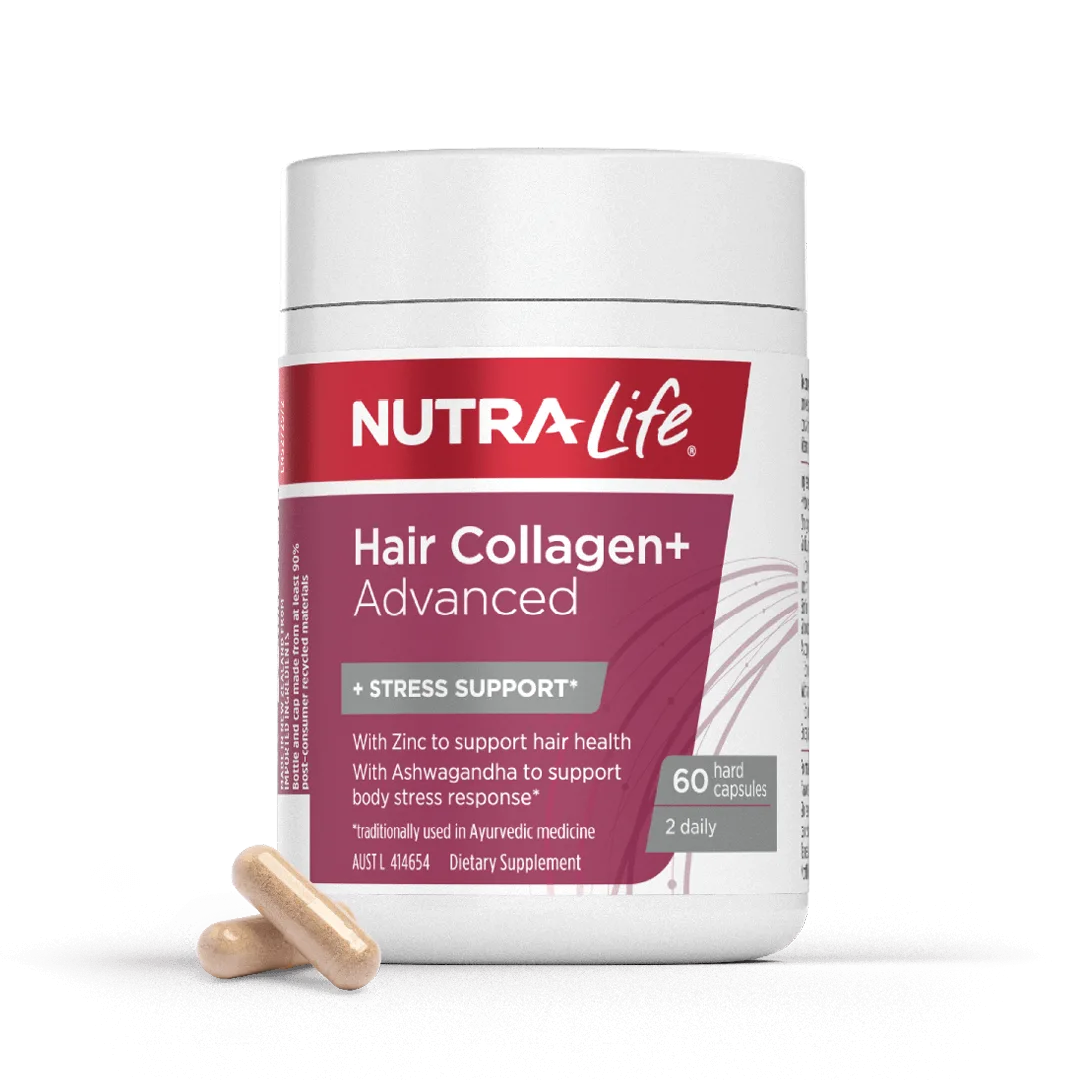
Hair Collagen+ Advanced