Quick answer
To measure your cat for armor, use a soft tape measure to record three key points: the base of the neck, the widest part of the chest (just behind the front legs), and the back length from neck to tail base. Always size up if your cat falls between two sizes or has a thick winter coat. A properly fitted cat vest should be snug but allow two fingers to slide under the straps—never tight enough to restrict movement or breathing.
Why Accurate Cat Armor Sizing Matters
A cat vest only protects if it stays in place during a real threat. If the vest is too loose, a coyote or aggressive dog can grab the fabric and pull it off—or worse, the cat can wriggle out and lose all protection. If it's too tight, it restricts breathing, limits the cat's ability to run or climb, and causes chafing that makes your cat refuse to wear it again.
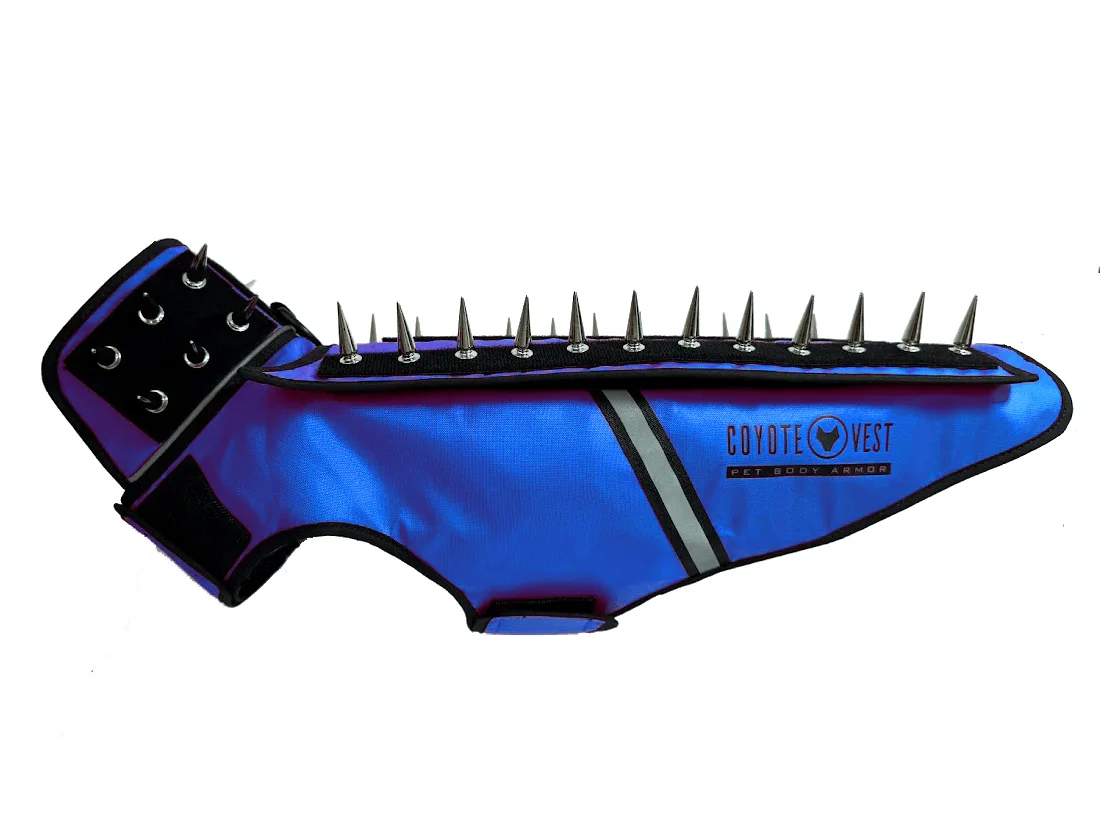
Unlike dog harnesses that rely on a few adjustment points, cat armor often uses snap buckles and fixed chest flaps. That means you can't simply cinch it down like a standard walking harness. You need to measure first and choose the right size from the start. The BullyVest, for example, uses snap buckles like the CoyoteVest but adds chest and throat flaps like the SpikeVest—so the chest measurement is especially critical to get right.
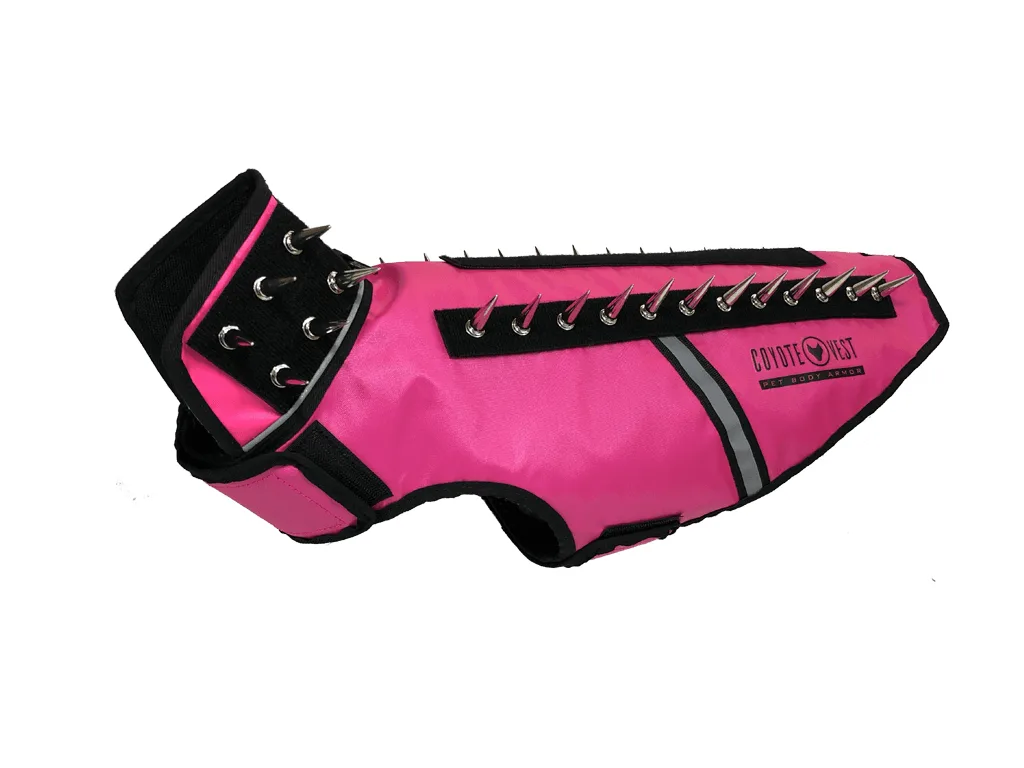
SpikeVest
How to Measure Your Cat: A 3-Point Method
Use a soft fabric tape measure—the kind used for sewing. If you don't have one, use a piece of string and then lay it flat against a ruler. Have a helper hold your cat steady, or wrap your cat in a towel with the front legs free if they're wriggly. Take each measurement twice to confirm accuracy.
Point 1: Neck circumference. Measure around the base of the neck where a collar would naturally sit. Don't pull tight—just snug enough that the tape touches fur without compressing it.
Point 2: Chest circumference. This is the most important measurement. Measure around the widest part of the chest, just behind the front legs. This is where the vest's side panels sit and where a predator would grab. For cats with a thick winter coat, add 0.5 to 1 inch to this number.
Point 3: Back length. Measure from the base of the neck (where the collar sits) to the base of the tail. This determines whether the vest covers the vital organs without interfering with the tail or hind legs.
Reading a Cat Vest Size Chart
Most cat armor size charts list weight ranges alongside measurements, but weight alone is unreliable. A lean, muscular cat and a fluffy, overweight cat can weigh the same but need completely different sizes. Always prioritize chest circumference over weight.
If your cat's chest measurement falls between two sizes, size up. A slightly loose vest can be adjusted with the snap buckles or layered over a harness. A too-small vest cannot be stretched. For growing kittens or cats that gain weight seasonally, sizing up gives you room to adjust.
Check whether the size chart measures the vest itself or the cat. Some brands list the garment's flat measurements, which are roughly half the cat's circumference. If the numbers seem too small, double-check which method the chart uses.
Fit Checks After the Vest Arrives
Once the vest arrives, put it on your cat and perform three checks before any outdoor use. First, the two-finger test: you should be able to slide two fingers under the chest strap and neck opening. If you can't, it's too tight. If you can fit a whole hand, it's too loose.
Second, the movement test: watch your cat walk, run, and jump. The vest should stay centered on the back and not slide sideways. If it shifts, tighten the snap buckles or consider a different size.
Third, the escape test: gently tug the vest upward and backward as if a predator were grabbing it. A properly fitted vest should not slip over the cat's head or shoulders. If it does, the neck opening is too large. In that case, you may need to add neck protection—the BullyVest, for example, is designed to work with a spiked collar or the matching BullyHarness to secure the neck area.
Decision rules for choosing a cat armor size
- If chest measurement is between two sizes: Choose the larger size. A loose vest can be tightened with snap buckles; a tight vest cannot be loosened enough to prevent chafing and restricted movement. Size up for comfort and adjustability.
- If your cat has a thick or double coat: Add 0.5 to 1 inch to the chest measurement before consulting the size chart. Fur compresses during measurement but fluffs back out when the vest is on. Measure over the fur, not against the skin.
- If your cat is between kitten and adult size: Buy for the adult size if the chart provides one. Kittens grow quickly, and a vest that fits now may be too tight in a month. Check the return policy before ordering. Prioritize future fit over current snugness.
- If you plan to add accessories like CoyoteWhiskers or HawkShield: Measure with the base vest on, then check that the accessory attachment points still align. Adding layers can change the effective fit. Fit the base vest first, then add accessories.
Product facts that affect sizing
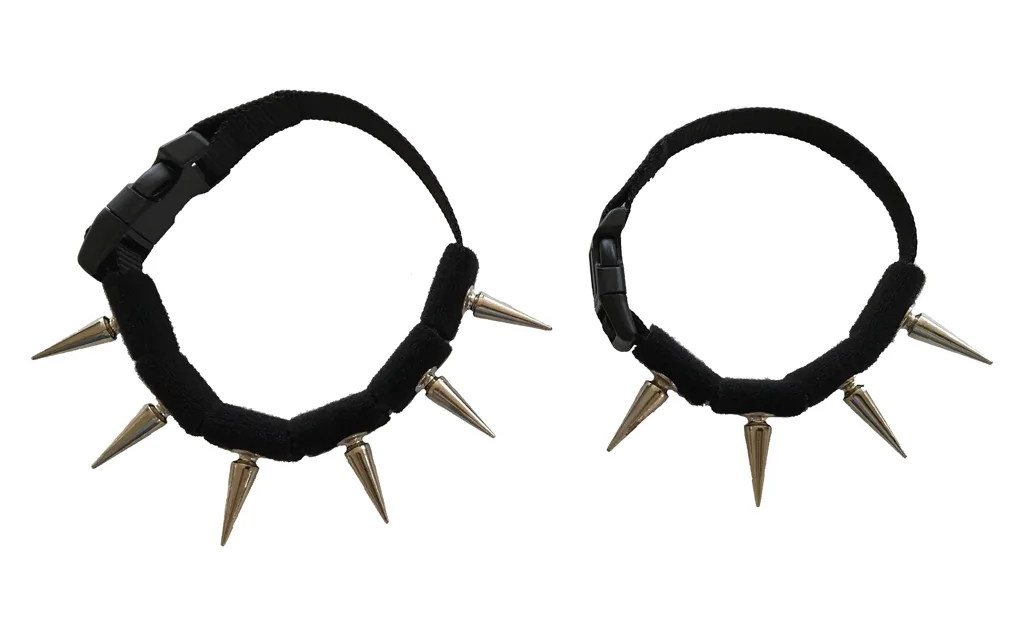
- BullyVest: The BullyVest is halfway between a CoyoteVest and a SpikeVest except it has no collar. It uses snap buckles like the CoyoteVest but has chest and throat flaps like the SpikeVest and it's compatible with our other accessories like the CoyoteWhiskers and HawkShield. Because the BullyVest has no built-in collar, you'll rely on the chest and throat flaps for coverage. If your cat has a thick neck or you want neck protection, you'll need to add a spiked collar or the matching BullyHarness—so measure the neck carefully to ensure those add-ons fit.
- SpikeJacket: The SpikeJacket uses a similar design as our popular SpikeVest but it's been greatly enhanced to not only help keep your dog safe but also keep your dog warm when it's cold outside. What sets it apart from the SpikeVest is the sewn in polar fleece liner and a chest guard that helps keep the heat inside and the elements outside. The SpikeJacket is designed for dogs, not cats, so it's not a direct option for feline protection. However, if you also have a small dog and want consistent sizing across your pets, the SpikeJacket's fleece liner adds bulk—so measure your dog's chest with the same care and size up if they're between sizes.
Who this sizing guide is for
Best for
- Cat owners buying their first piece of feline protection gear
- Owners of cats with thick or double coats that need extra room
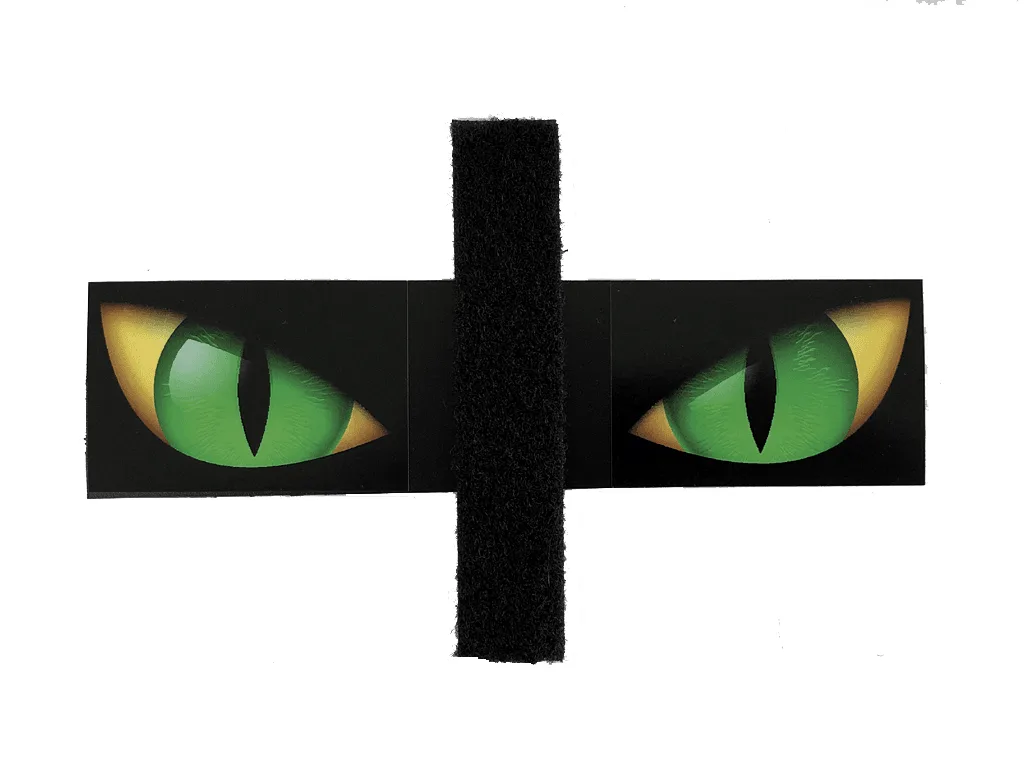
- Anyone adding accessories like CoyoteWhiskers or HawkShield to a base vest
Not for
- Dog owners—dog body armor uses different sizing and fit points
- Cats that have never worn a harness or vest; introduce the vest indoors first
- Owners looking for a one-size-fits-all solution; cat armor requires accurate measurements