Quick answer
No, you don't need cat litter box liners. They can make cleanup faster for some owners, but they aren't required for a clean, healthy litter box. Many cats scratch through plastic liners, which traps waste underneath and creates more mess. If your cat shreds liners or avoids the box, skip them and focus on daily scooping, the right litter depth, and a box your cat can enter comfortably.
The liner claim: 'Liners make litter box cleaning easier'
Verdict: Sometimes true, often not. A liner can let you lift out a full bag of litter and toss it, which sounds convenient. But the benefit depends entirely on your cat. Cats who dig and scratch can tear the plastic, letting urine and fine litter sift through the holes. You then have to clean the box anyway, plus deal with a torn liner. If your cat is a gentle scratcher and you change litter completely rather than scooping, a liner might save a few minutes. For most homes, daily scooping is faster and more reliable than managing a liner.
The safety claim: 'Liners are dangerous for cats'
Verdict: Mostly false, but supervision matters. Litter box liners are generally safe when used as directed. The real risk is a cat chewing or swallowing pieces of a torn liner, which can cause digestive blockage. If your cat eats plastic or shreds liners aggressively, don't use them. Signs of trouble include vomiting, lethargy, or refusing to use the box. In those cases, remove the liner and call your vet. For cats who ignore the plastic, a liner is not inherently dangerous, but it's not necessary either.
The claim: 'Every cat needs a liner for odor control'
Verdict: False. Odor comes from waste sitting in the box, not from the plastic. A liner can trap urine against the bottom if it tears, which actually makes odors worse. The reliable way to control smell is to scoop at least once a day, wash the box with mild soap and water weekly, and replace litter when it stops absorbing. If you want extra help, use a litter with odor control and keep the box in a well-ventilated spot. No liner can replace basic cleaning.
The claim: 'Liners are the only way to keep the box clean'
Verdict: False. You have several alternatives that work without plastic. A smooth, non-porous box is easy to wipe out. You can also use a disposable cardboard liner or a washable fabric liner made for litter boxes, though those still need regular washing. For cats who hate liners, simply skip them. If your cat is a heavy scratcher, a deeper box with high sides keeps litter contained without any liner. The right box and litter matter far more than a liner.
When a liner might actually help
Liners can be useful in a few specific situations: if your cat is a gentle digger and you want to fully change litter without scrubbing, if you're caring for a senior cat who needs a fresh box quickly, or if you use a lightweight litter that you replace often. In those cases, choose a liner that fits your box size and isn't scented. But test it for a week. If your cat scratches through it, avoids the box, or you find waste underneath, drop the liner and go back to scooping. Your cat's comfort is the best guide.
How to clean a litter box without liners
Scoop solid waste daily and stir the litter to keep it dry. Once a week, empty the box completely, wash it with mild dish soap and warm water, and let it air dry. Refill with 2 to 3 inches of litter. If your cat urinates outside the box, clean the spot with an enzymatic cleaner to remove odor. This routine takes about five minutes a day and keeps the box fresh without any plastic. A covered box or high-sided pan can reduce tracking, but never use a liner as a substitute for cleaning.
Verdicts on common liner claims
- Liners make cleanup easier: Only if your cat doesn't tear them. Torn liners trap waste and require extra cleaning. Try a liner for one week; if it's intact and clean, keep it. If not, switch to scooping.
- Liners are dangerous: Generally safe unless your cat chews or swallows plastic. Watch for vomiting or avoidance. Remove the liner immediately if your cat eats plastic or seems distressed.
- Liners control odor: Odor comes from waste, not plastic. A torn liner can make smells worse by trapping urine. Scoop daily and wash the box weekly for real odor control.
- Liners are required: No. Many cats do better without them. A clean box, right litter, and daily scooping are enough. Skip the liner if your cat scratches, avoids the box, or you want a simpler routine.
Product facts that matter for litter box setup
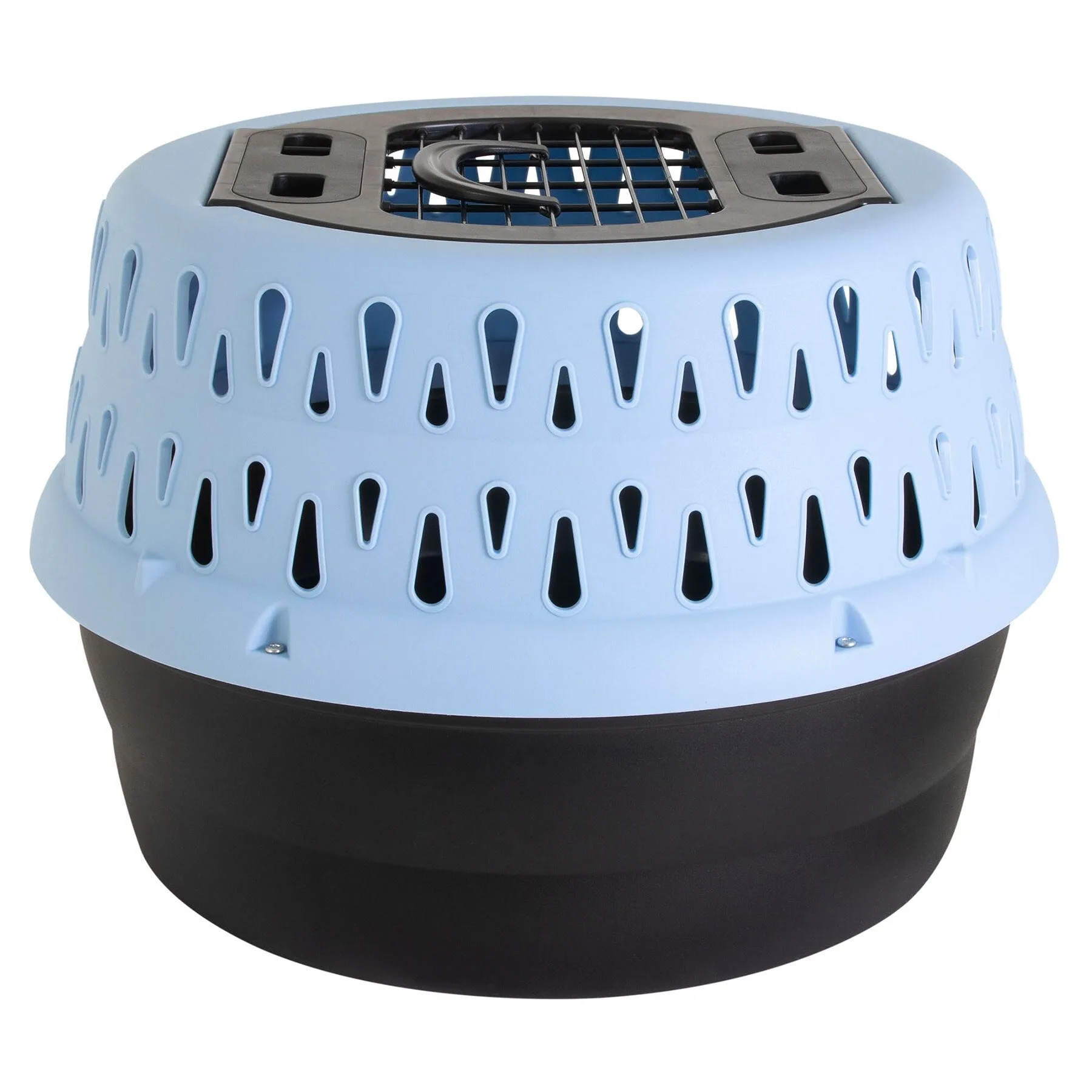
- Get-A-Round E-Z Load Kennel For Cats: The Petmate E-Z Load Get-A-Round Kennel For Cats is a round plastic kennel designed for cats, with an extra-large opening for easy loading and a design that supports a cat's natural denning instincts. A secure, easy-to-load carrier makes vet visits and travel less stressful, and its round shape may feel more den-like for cats who dislike standard carriers.
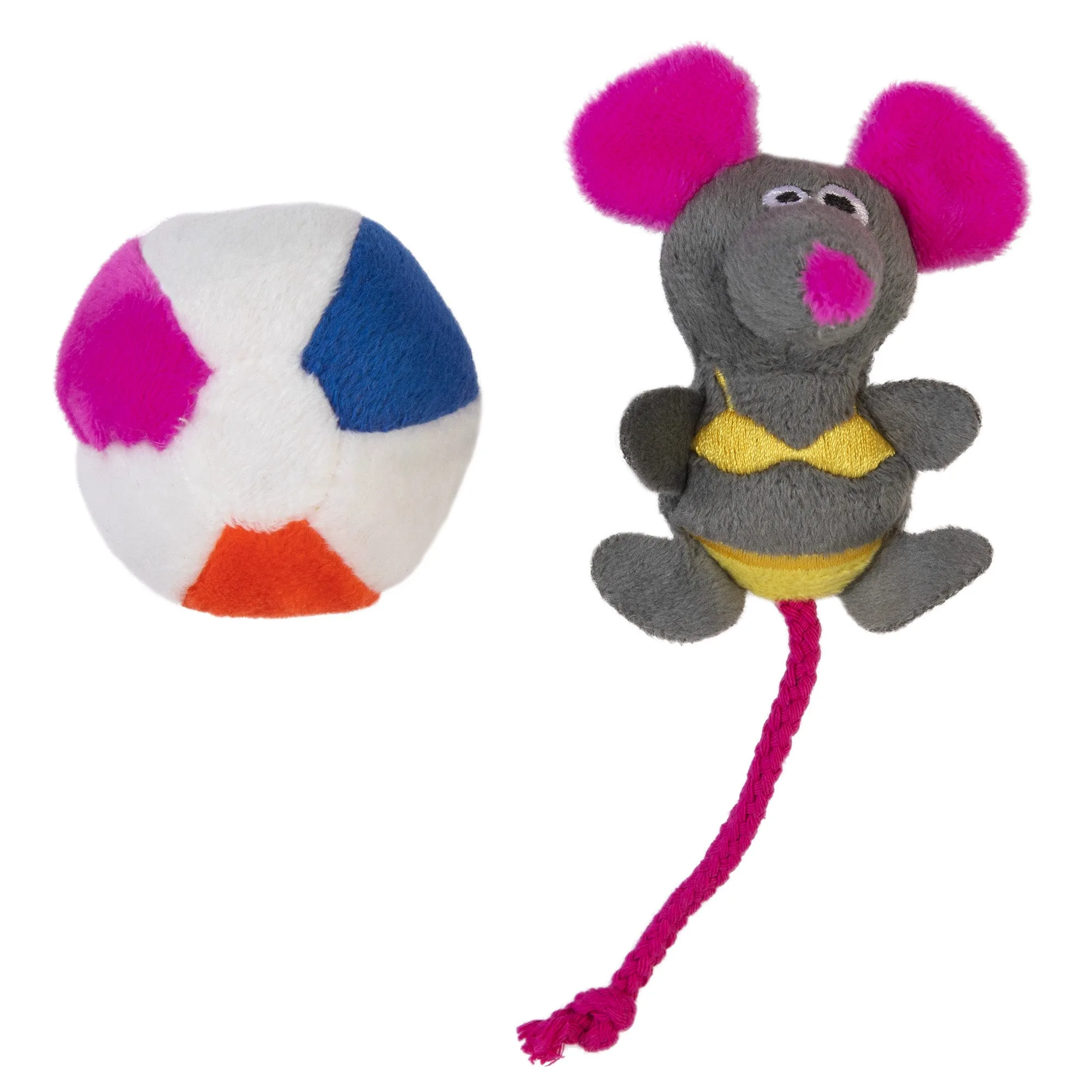
- Mad Cat Sasquatch Catnip & Silvervine Cat Toy: The Mad Cat Sasquatch Catnip & Silvervine Cat Toy Twin Pack blends premium catnip and silvervine, an all-natural alternative that can appeal to cats who don't react to catnip alone. If your cat needs more play and enrichment, this toy offers a strong scent lure that can encourage activity without adding clutter to the litter area.