Quick Answer
A cat litter mat is the most effective solution for reducing tracked litter outside the box, but the box itself plays a critical role in containing mess at the source. For most households, pairing a high-quality mat with a well-designed box offers the best balance of cleanliness and convenience.
How Litter Mats Work
Litter mats are placed just outside the litter box to catch granules stuck to your cat's paws. They typically feature textured surfaces or grooves that scrape litter off as your cat exits. The best cat litter mats are large enough to cover the exit path and easy to clean—shake them over a bin or vacuum them regularly.
A mat alone won't stop litter from being kicked out during digging, but it does address the most common complaint: tracking throughout the house. For multi-cat households, a longer mat can serve multiple boxes or high-traffic zones.
The Role of the Litter Box
The litter box itself determines how much litter stays inside. High-sided boxes, covered boxes, and top-entry designs physically block litter from escaping during digging and burying. A box with low sides may allow litter to scatter even with a mat in place.
However, some cats prefer open, low-sided boxes for visibility and easy access. If your cat is hesitant to use a covered or high-sided box, a mat becomes even more important as a compromise.
Combining Both for Maximum Effectiveness
The most effective approach is to use both: a litter box that suits your cat's preferences and a mat placed strategically outside. This combination reduces mess at the source and catches what escapes. For example, a standard open box with a large mat can outperform a covered box without any mat, depending on your cat's digging habits.
Consider your floor type too. On hard floors, a mat with a non-slip backing prevents sliding; on carpet, a mat with deep grooves traps litter more effectively. Test different placements—some cats prefer the mat a few inches away from the box rather than directly against it.
Trade-offs to Consider
- Mat vs. Box: Cost: Mats are generally cheaper than upgrading to a high-sided or covered box. A good mat can cost less than $20, while a premium box may be $50 or more. If budget is tight, start with a mat.
- Mat vs. Box: Cleaning Effort: Mats require regular shaking or vacuuming to stay effective. Boxes need scooping and occasional deep cleaning. A mat adds one more cleaning task, but it reduces floor sweeping. Choose based on which chore you prefer to minimize.
- Mat vs. Box: Cat Acceptance: Some cats refuse covered boxes, making a mat the only practical option. Others may avoid mats with strong textures. Observe your cat's reaction and adjust. Prioritize your cat's comfort to avoid litter box avoidance.
Related Products That Help Manage Mess
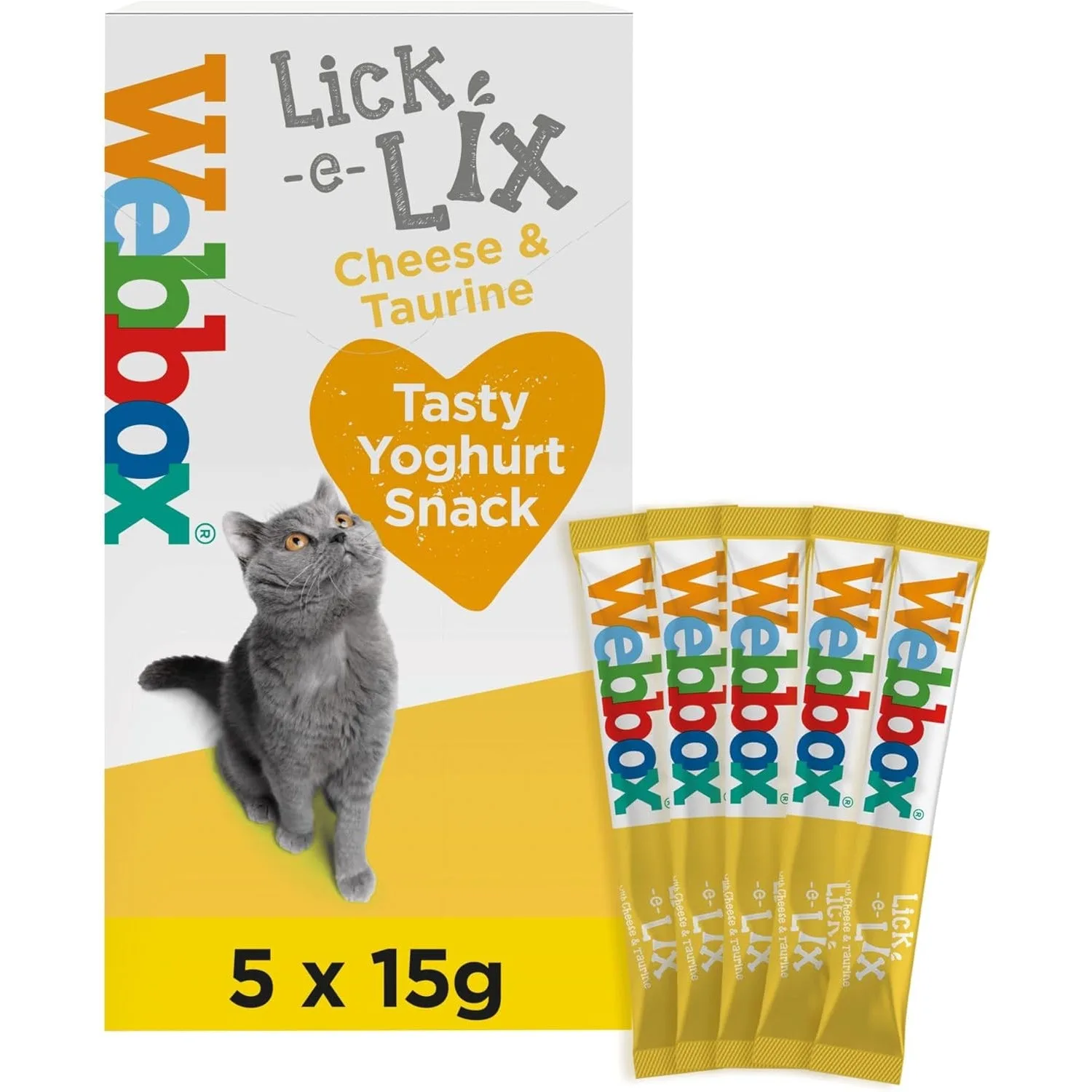
- Webbox Lick-e-Lix Cheese & Taurine Cat Treats: Webbox Lick-e-Lix Cheese & Taurine Cat Treats come in handy single-serve sachets and can be used as treats, food toppers, or a clever way to hide medication. Rewarding your cat with a treat after using the litter box can reinforce good habits, making it easier to keep the area clean and reduce mess over time.
- Red Dingo Enamel Dog & Cat ID Tags Ying & Yang: Red Dingo Enamel Dog & Cat ID Tags are strength and safety tested, won't rust, break, or corrode, and include a free engraving service for the life of the tag. A durable ID tag ensures your cat can be identified if they slip out during a litter-related escape, adding peace of mind while you manage litter mess.
Which Should You Choose?
Best For
- Households with cats that scatter litter when exiting the box
- Owners who want an affordable, easy-to-install solution without changing the box
- Multi-cat homes where multiple exit paths need coverage
Not For
- Cats that kick litter out during digging—consider a high-sided box instead
- Owners who prefer a single cleaning surface and dislike extra mat maintenance