Quick answer
Most litter tracking comes from three fixable things: a box that is too small or too shallow, a litter that clings to paws, and no proper transition zone between the box and the floor. Start by adding a textured mat and a high-sided box, then switch to a low-tracking litter if the problem continues. If your cat is scattering litter because the box is in a high-traffic spot or is shared with other cats, move or add a box before buying anything else.
Find the real source before you buy a mat
Tracking is not one problem; it is a chain of events. Litter sticks to paws inside the box, gets carried over the rim, and then falls off somewhere in your home. The fix depends on where the chain breaks. If litter is piled outside the entrance, the box is too small or your cat is digging too enthusiastically. If the trail starts a few feet away, the litter is clinging to paws and needs a transition zone. If litter is kicked over the side, the box walls are too low. Watch your cat for one full bathroom trip and note the exact spot where the litter leaves the box. That single observation tells you which fix to try first.
Set up a transition zone that catches litter
A mat only works if it sits exactly where your cat lands when leaving the box. Place a textured mat directly against the box opening, long enough that your cat takes two or three steps on it. A second mat at a right angle can catch litter from cats that jump out sideways. Avoid loose rugs or towels; they slide, bunch up, and let litter roll underneath. If you already have a mat and still see tracking, check whether it is long enough. Most mats are too short because owners buy for floor space, not for the cat's stride.
Choose litter that stays in the box
Litter shape matters more than brand. Fine clay and sand-like litters cling to paws and travel; pellet litters and larger-grain options fall off more easily but may not suit cats who prefer soft textures. If your cat refuses pellets, try a mid-size clumping litter and add a deeper layer, about 2 to 3 inches, so your cat digs without hitting the bottom. A deeper layer also reduces how much litter gets kicked over the side. Do not switch litters abruptly; mix the new litter with the old over a week so your cat does not protest by eliminating outside the box.
Fix the box and its location
A box with high sides and a low entry ramp stops most scatter. If you use a covered box, remove the door flap; cats often push through it and send litter flying. Place the box away from walls that trap litter in corners, and avoid putting it next to a furnace or washing machine that vibrates and startles your cat mid-exit. In multi-cat homes, add one box per cat plus one extra. Cats that share a box often rush out, which scatters more litter than a calm exit.
Paw and coat care that reduces tracking
Long-haired cats and cats with furry paws carry more litter. Trimming the fur between the paw pads helps, but only if your cat tolerates it. A damp towel by the box lets you wipe paws quickly without a full bath. If your cat has dry, cracked paw pads, litter can stick more; ask your vet about a pet-safe paw balm. These are small fixes, but they work alongside the box and mat changes rather than replacing them.
Diagnose the tracking pattern
- Litter piles right at the box entrance: Your cat is kicking litter out because the box is too small or the litter is too shallow. Add 2 to 3 inches of litter and try a box that is at least 1.5 times your cat's length. If the pile shrinks but does not disappear, add a high-sided box or a low entry ramp.
- A trail of litter starts a few feet from the box: Litter is clinging to paws. Add a long textured mat and switch to a larger-grain or pellet litter. If your cat refuses the new litter, mix it gradually over a week. If the trail continues after two weeks, check paw fur and trim if your cat allows it.
- Litter is scattered widely, not in a trail: Your cat is likely rushing out of the box because it feels exposed or is sharing with another cat. Move the box to a quiet spot and add an extra box. If scatter continues with more boxes and a quiet location, ask your vet about stress or urinary discomfort.
Products that help with the cleanup and reward routine
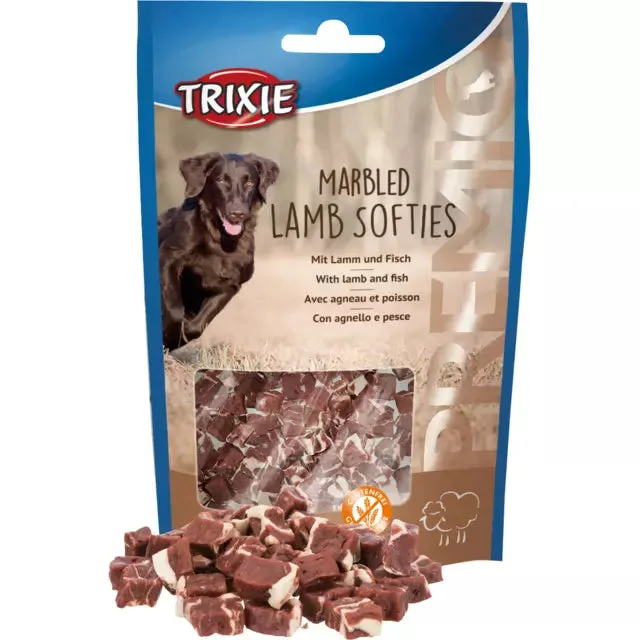
- Trixie Premio Lamb Marbled Softies: Trixie Premio Lamb Marbled Softies are soft-textured lamb treats in a resealable bag, and they are gluten free. Soft treats are easy to break into small pieces, so you can reward your cat for using the box calmly without adding a lot of extra calories.
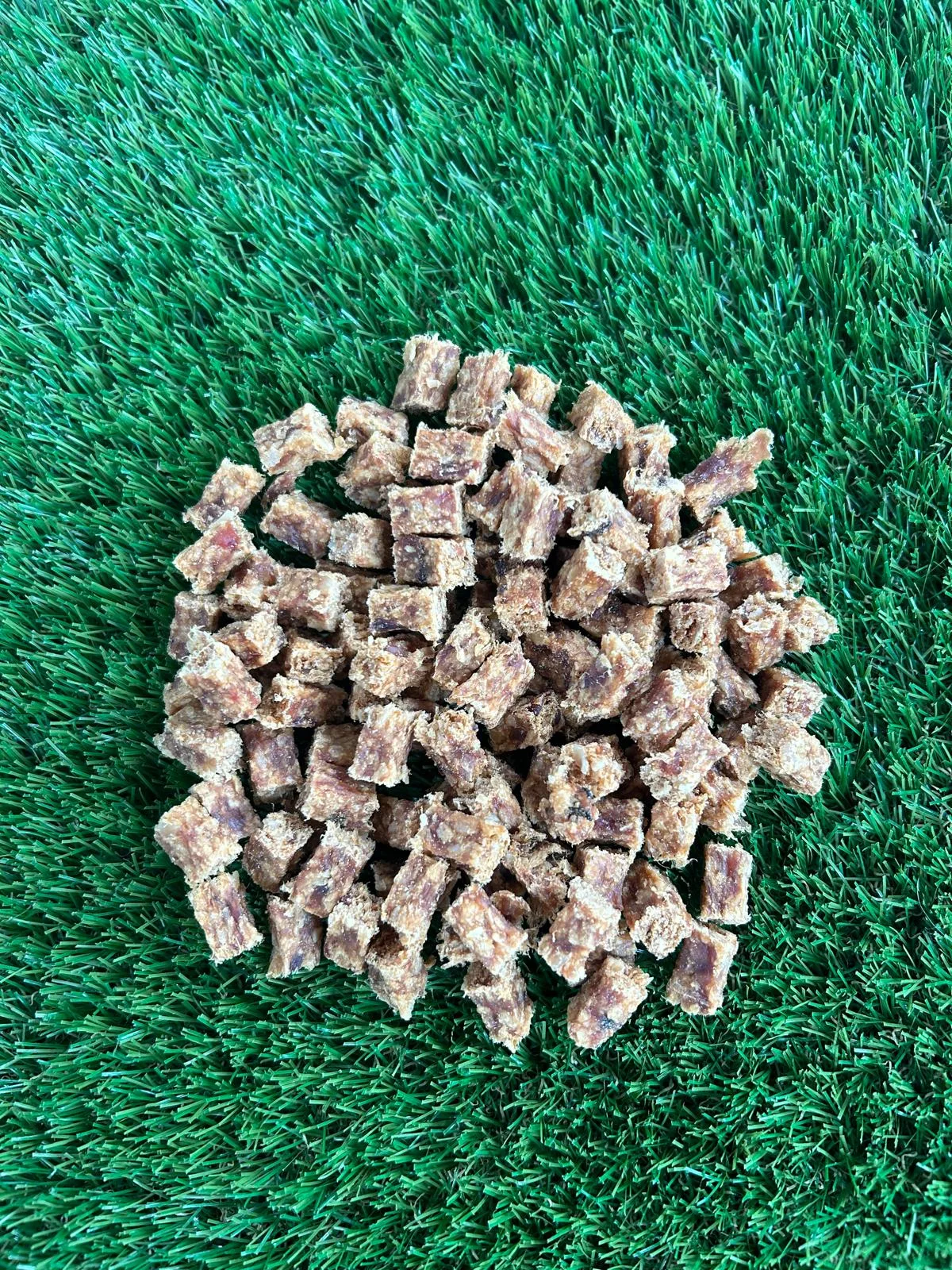
- Nova Beef Training Treats 100g: Nova Beef Training Treats 100g are made entirely from high-protein beef and are free from artificial preservatives, colours, and flavours. A simple, single-protein treat is useful when you are training a cat to accept paw wiping or a new mat without introducing a lot of unfamiliar ingredients.