When it comes to feeding our furry friends, the right placemat can make a world of difference. Not only does it keep your floors clean from spills and crumbs, but it also provides a comfortable and hygienic eating area. However, with so many options on the market, you might wonder: is there really a difference between a cat placemat and a dog placemat? The answer is yes, and understanding these differences can help you make the best choice for your pet.
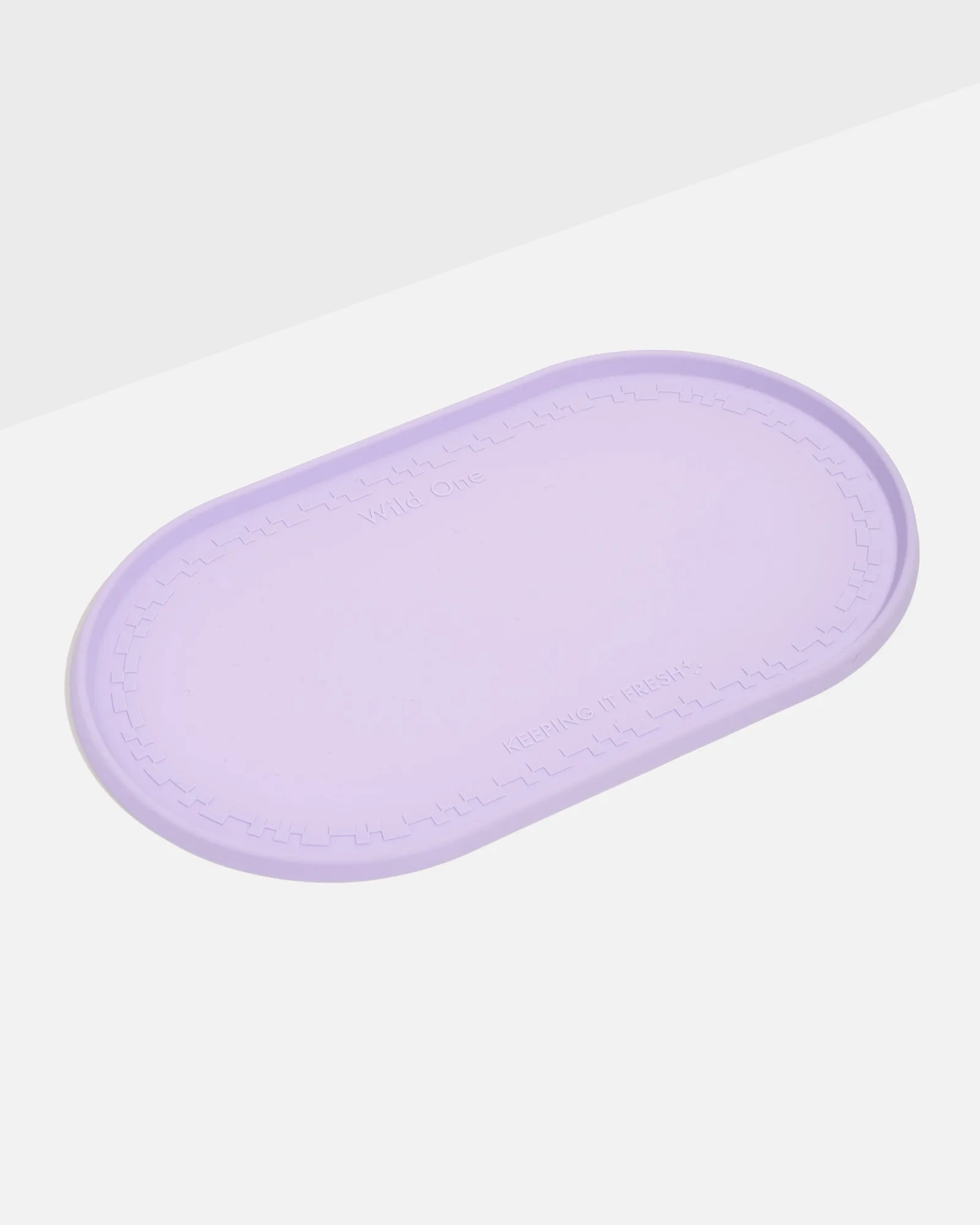
cat placemat
In this comprehensive guide, we'll dive into the key variations between cat and dog placemats, including size, material, design, and functionality. By the end, you'll know exactly which type of feeding mat suits your pet's needs, ensuring a cleaner and more enjoyable mealtime experience.
Size Matters: Cat vs. Dog Placemat Dimensions
One of the most obvious differences between cat and dog placemats is their size. Cats are generally smaller animals, and their feeding areas don't need as much space. A typical cat placemat is compact, designed to fit neatly under a single bowl or a small feeding station. This not only saves space in your home but also makes it easier for your cat to access their food without stepping on the mat.
On the other hand, dog placemats are usually larger and more spacious. Dogs, especially larger breeds, need more room to spread out while eating. A bigger mat ensures that any spills or splashes are caught, protecting your floors from water stains and food residue. When choosing a mat for your dog, consider their size and eating habits. If you have a messy eater, a larger mat with raised edges might be the best option.
- Measure your pet's bowl diameter and add a few inches on each side to determine the ideal mat size.
Material and Durability: What's the Best for Your Pet?
Another critical factor is the material of the placemat. Cats are known for their finicky nature, and they may be sensitive to certain textures or materials. A soft, non-slip silicone mat is often a great choice for cats, as it provides a stable surface that prevents bowls from sliding. Additionally, silicone is easy to clean and doesn't retain odors, which is essential for maintaining a fresh feeding area.
Dogs, especially those with heavy chewing habits, require more durable materials. A heavy-duty rubber or PVC mat can withstand rough use and is resistant to scratches and bites. Some dog placemats also feature raised edges to contain water and food, making them ideal for messy eaters. When selecting a mat for your dog, consider their chewing behavior and the material's resistance to wear and tear.
- For cats, opt for a soft, flexible silicone mat that's gentle on their paws.
- For dogs, choose a thick, chew-resistant rubber mat with raised edges for maximum durability.
Design and Functionality: More Than Just a Mat
Design features can greatly influence the functionality of a placemat. Cat placemats often include a raised rim or a slight slope to help guide food back into the bowl, reducing mess. Some even have a built-in holder for the bowl, keeping it in place and preventing spills. The Slanted Cat Bowl is a perfect example of a product that pairs well with a cat placemat, as its ergonomic design promotes better posture and digestion.
Dog placemats, on the other hand, may come with additional features like a removable tray or a non-slip bottom to keep the mat in place. Some are designed to fit under elevated bowls, which can be beneficial for large breeds that need to eat at a comfortable height. The Mealtime Kit offers a comprehensive solution for dogs, including a durable placemat and matching bowls, ensuring a cohesive and functional feeding setup.
- Look for a placemat with a non-slip backing to prevent it from sliding on smooth floors.
- Consider a mat with a raised edge if your pet tends to splash water or scatter food.
Cleaning and Maintenance: Keeping It Hygienic
Hygiene is a top priority for any pet owner, and the ease of cleaning a placemat is crucial. Cat placemats are often made of materials that can be wiped clean with a damp cloth or rinsed under water. Some are even dishwasher-safe, making them incredibly convenient for busy pet parents. The Cat Meal Kit includes a placemat that is not only easy to clean but also designed with antimicrobial properties to prevent bacterial growth.
Dog placemats may require more thorough cleaning, especially if your dog is a messy eater. Many are made of waterproof materials that can be hosed down or wiped with a disinfectant. Some placemats are also machine-washable, which is a plus for those who prefer a deep clean. Always check the care instructions before purchasing to ensure the mat fits your cleaning routine.
- Wipe down the placemat after each meal to prevent buildup of food residue and bacteria.
- For a deeper clean, wash the mat with warm soapy water or in the dishwasher if it's safe.
Choosing between a cat placemat and a dog placemat ultimately comes down to your pet's specific needs. Consider the size, material, design, and cleaning requirements to find the perfect match. Whether you have a finicky feline or a messy mutt, a good placemat can make mealtime cleaner and more enjoyable for both of you. If you're looking for a high-quality option, explore the Mealtime Kit for dogs or the Cat Meal Kit for cats, both designed with your pet's comfort and your convenience in mind.