Quick answer
For active cats that climb, scratch, and nap, a multi-level cat tree with multiple hideaways and sisal scratching surfaces gives them the most value. Look for a sturdy base and at least two platforms or hideouts to satisfy their energy.
Why multi-level matters for active cats
Cats that love to climb need vertical territory. A multi-level cat tree lets them explore upward without jumping on furniture. Multiple levels also reduce boredom because your cat can switch between perching, hiding, and scratching in one unit.
Scratching posts: sisal vs. carpet
Scratching is a natural behavior that keeps claws healthy and marks territory. Look for posts wrapped in natural sisal rope—it's more satisfying than carpet and lasts longer. Some cat trees combine both, but sisal is the better choice for active scratchers.
Hideaways for security and sleep
A cat that feels safe will use its tree more. Enclosed hideaways give shy or multi-cat households a private retreat. Open perches are fine for confident cats, but a mix of open and closed spaces suits most indoor cats.
Decision rules for choosing a multi-level cat tree
- Height: Choose a tree at least 3 feet tall for active cats. Taller trees (up to 6 feet) allow more climbing but need a wider base to prevent tipping.
- Stability: Test the base before buying. A tree that wobbles when your cat jumps on it will be ignored or cause accidents. Look for a wide, heavy base. If the base feels light, skip it.
- Scratching surfaces: Prefer sisal-wrapped posts over carpet. Sisal is more durable and better for claw health. At least one vertical sisal post per cat is ideal.
- Hideaways vs. perches: If you have multiple cats, choose a tree with at least one enclosed hideaway per cat. For a single confident cat, open perches work fine.
- Assembly and placement: Place the tree near a window or in a room your cat already uses. Avoid high-traffic areas. Assemble on a flat surface and tighten all bolts. Check for loose parts after the first week.
Product facts
-
zeze Deluxe 3-in-1 Multi-Function Cat Tree — Bed, Scratcher & Multi-Level Activity Tower: Double Hideaways · Multi-Cat Friendly · Play, Scratch & Snooze in One Super High-Quality & Beautifully Made Magical Tower Two hideaways mean each cat has its own space, reducing conflict in multi-cat homes.
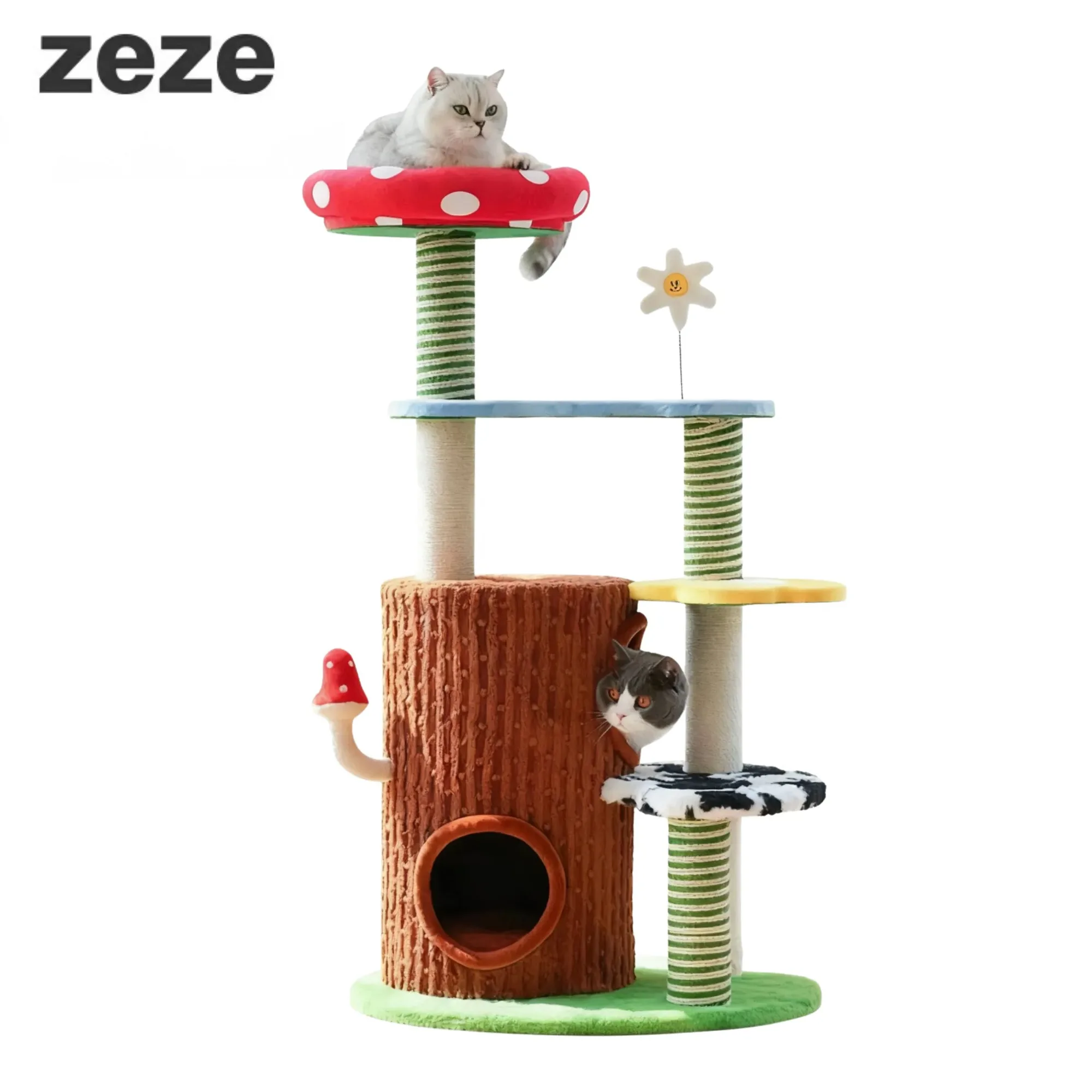
zeze Deluxe 3-in-1 Multi-Function Cat Tree — Bed, Scratcher & Multi-Level Activity Tower
-
zeze 3-in-1 Multi-Function Cat Tree — Bed, Scratcher & Multi-Level Activity Tower: zeze 3-in-1 Multi-Function Cat Tree — Bed, Scratcher & Multi-Level Activity Tower Three functions in one unit save floor space while giving your cat climbing, scratching, and napping options.
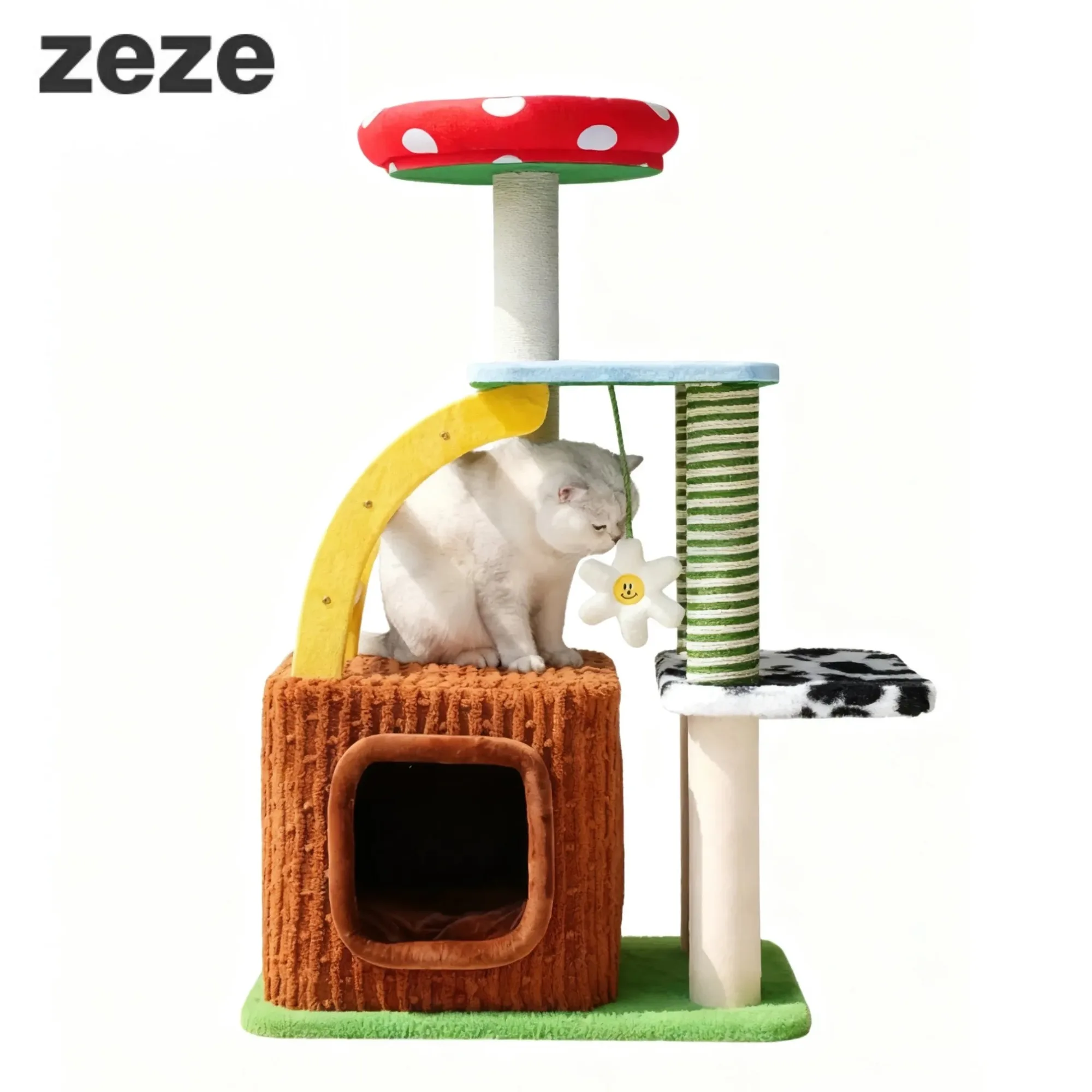
zeze 3-in-1 Multi-Function Cat Tree — Bed, Scratcher & Multi-Level Activity Tower
Who this guide is for
Best for
- Households with one or more active indoor cats
- Cat owners who want a single piece of furniture that covers climbing, scratching, and sleeping
Not for
- Cats that are primarily outdoor or sedentary
- Homes with very limited floor space (consider wall-mounted shelves instead)