Quick answer
Replace your Cato mat when the surface no longer grips, stays damp after cleaning, or shows flattened or torn edges that let it shift under your dog. Fit the new mat by matching it to the board size, pressing it flat from the centre outward, and checking that no corner lifts before you resume training. Clean mats regularly with a damp cloth and mild soap, and dry them fully before refitting.
A Cato board only works as well as the mat sitting on it. When the mat starts slipping, holding odour, or curling at the edges, your dog loses the steady footing the board was designed to give, and your training sessions get harder than they need to be.
This guide walks through the symptoms of a worn Cato mat, the likely causes, what to do about each one, and the point where replacing the mat is the smarter move than trying to rescue it. It also covers fitting a new mat and the cleaning routine that keeps it serviceable for longer.
Symptom: the mat slides or bunches under your dog
If the mat shifts when your dog steps on or pushes off it, the board is no longer giving a stable platform. In most cases the cause is a stretched or compressed backing, or a mat that was never seated flat to begin with. Before you buy anything, lift the mat, wipe the board surface clean, and refit it, pressing from the centre outward so trapped air escapes. If it still moves after that, the mat has lost its grip and a replacement is the practical fix.
Check the board itself at the same time. A warped or dirty board surface will make even a new mat slide, so clean and dry the board thoroughly before fitting. If the board is damaged, replacing the mat alone will not solve the problem.
- Refit and press the mat flat before assuming it needs replacing.
- Clean and dry the board surface first; debris under the mat causes most sliding.
Symptom: lingering odour or dampness after cleaning
A mat that stays damp or smells after cleaning is usually holding moisture in its core or has a surface that has become porous with age. Wipe it with a damp cloth and mild soap, rinse, and let it air dry completely before refitting. If the smell returns within a day or two of a full dry, the material has absorbed what it should not, and no amount of cleaning will bring it back.
This is also the point to review your routine. Cleaning after every session, rather than occasionally, prevents most odour problems. Keep a dedicated cloth for the mat so you are not spreading dirt from other gear onto it.
- Dry the mat fully before refitting; damp mats trap odour.
- Use mild soap and water rather than harsh chemicals that degrade the surface.
Symptom: flattened, torn, or curling edges
Edges that curl up or tear are a clear sign the mat has reached the end of its useful life. A curled edge catches paws and creates an uneven surface, which undermines the whole point of using a board. Trimming a curled edge can help briefly, but it changes the fit and usually makes the problem worse within a few sessions.
If the mat is only slightly flattened in the middle but still grips and dries properly, you can keep using it. Once tearing starts, though, replace it. A torn mat can snag claws and is not worth the risk during training.
- Small flattening is acceptable; tearing and curling are not.
- Do not trim curled edges, as it compromises the fit.
How to fit a Cato replacement mat
Start with a clean, dry board. Unroll or lay the new mat flat and let it settle at room temperature if it has been stored rolled up. Align it with the board edges, then press from the centre outward with both hands, working out any air pockets as you go. Run your fingers along each edge to confirm the mat sits flush and does not lift.
Once fitted, put your dog on the board briefly and watch for movement. A correctly fitted mat should stay put under normal stepping and pushing. If a corner lifts after a few minutes, lift the mat, clean the board again, and refit. If it still lifts, check the mat size against your board before assuming a fault.
- Let a rolled mat relax flat before fitting.
- Press from the centre outward to remove air pockets.
Cleaning habits that extend mat life
A simple routine keeps a Cato mat working longer. Wipe it down after each session with a damp cloth and mild soap, then let it air dry fully before the next use. Avoid soaking the mat, and skip harsh disinfectants that break down the surface. If your dog is a heavy shedder or works outdoors, a quick brush-off before wiping removes most grit.
Store the mat flat or loosely rolled rather than folded, and keep it out of direct sun for long periods. These small habits delay the wear that leads to replacement, and they keep the board ready for the next training session.
- Wipe after every session rather than occasionally.
- Store flat or loosely rolled, away from prolonged direct sun.
Cato mat diagnosis: symptom, cause, action, stop point
- Mat slides or bunches: Usually caused by debris under the mat or a stretched backing. Clean and dry the board, refit the mat, and press from the centre outward. If it still slides after a clean refit, replace the mat.
- Lingering odour or dampness: The mat is holding moisture or has become porous. Wash with mild soap, rinse, and dry fully before refitting. If odour returns within a day or two of full drying, replace the mat.
- Flattened, torn, or curling edges: Material fatigue or damage. Small flattening is acceptable; tearing and curling are not. Stop using a torn mat and replace it to avoid snagging claws.
- New mat will not sit flat: Check board cleanliness, mat size, and whether the board itself is warped or damaged. If the board is damaged, replacing the mat alone will not fix the problem.
Product facts that matter for Cato board care
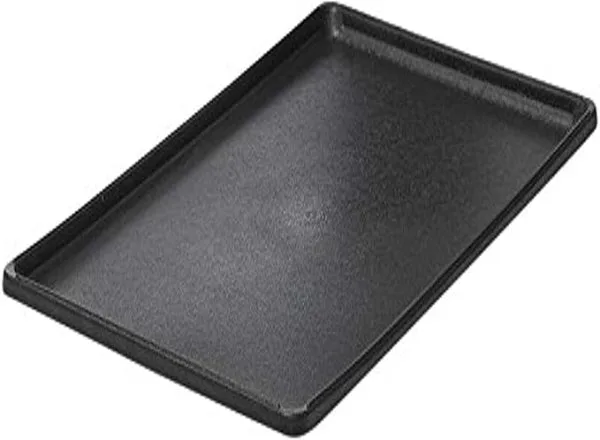
- Replacement Plastic Trays for Collapsible Wire Crates: Made of heavy duty 3mm ABS plastic with a 5mm lip, this tray is designed for collapsible pet crates but can be used in a wide range of DIY pet cages or DIY toilet trays. If your Cato board setup uses a tray base, a sturdy ABS tray resists cracking and holds its shape, which helps the mat sit flat and stay put.
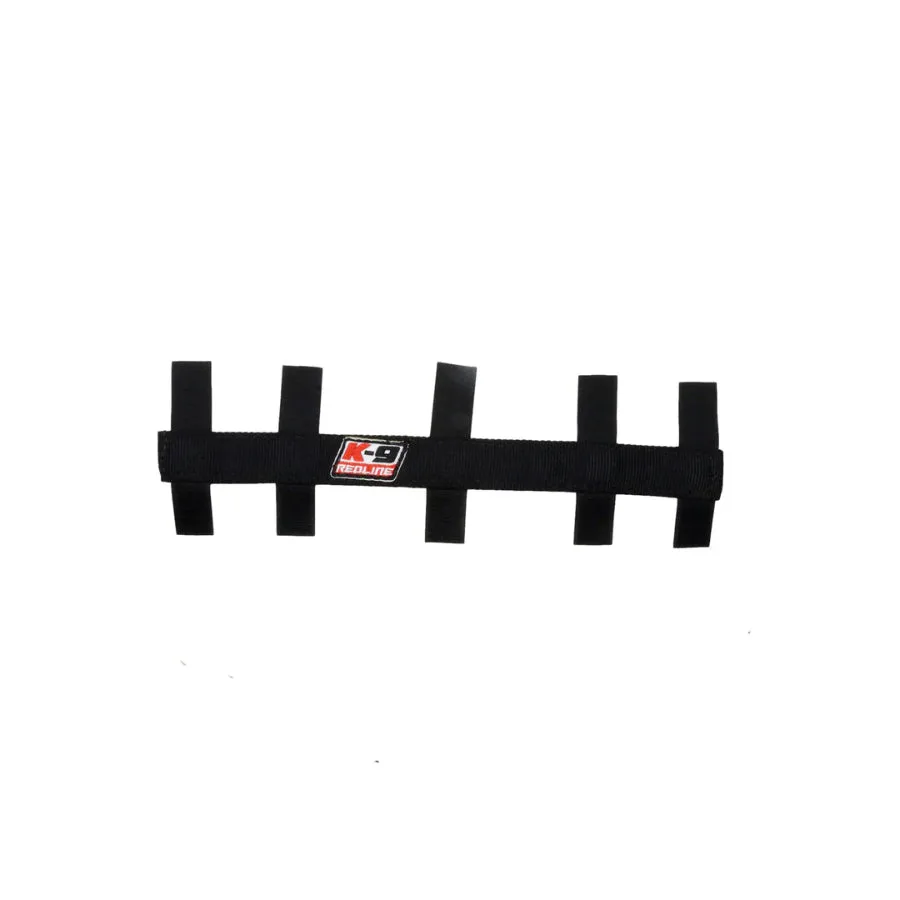
- Prong Collar Cover: Black nylon covers that attach with velcro and fit Small, Medium, and Extra Large Heavy Duty prong collars, and also work for Neck Techs. A practical reminder that small accessory parts wear out too; checking velcro and fit on training gear is part of the same maintenance routine as inspecting your Cato mat.
A Cato mat is a wear item, and treating it that way keeps your board useful. Clean it after sessions, dry it fully, and replace it as soon as it slides, smells, or tears. A five-minute check now saves a frustrating training session later.