Quick answer
Both Cedar Beard Oil and Sandalwood Beard Oil soften coarse whiskers and use a lightweight oil base. The real difference is scent: cedar offers a warm, dry woodsy note, while sandalwood brings a refreshing oceanside warmth. Choose cedar for a classic, subtle scent or sandalwood for a brighter, everyday freshness.
Scent and feel: cedar vs sandalwood
Cedar Beard Oil delivers a clean, woodsy aroma that's warm and dry rather than sweet. It's a traditional barbershop scent that stays close to the skin and won't compete with your cologne. Sandalwood Beard Oil, by contrast, blends warm sandalwood with an oceanside edge — refreshing and light enough to wear daily without announcing itself. If you prefer a subtle, earthy scent, cedar is your pick; if you want a brighter, more invigorating note, go with sandalwood.
Conditioning and usage
Both oils share a similar base of sweet almond oil and castor seed oil to condition and soften coarse whiskers. Rice bran oil in each formula ensures a non-greasy finish. For a short beard, three to five drops suffice; increase with length. The conditioning performance is nearly identical, so your choice comes down to scent preference and how the aroma fits your lifestyle.
Cedar vs sandalwood: tradeoffs
- Scent profile: Cedar: warm, dry, woodsy — classic barbershop. Sandalwood: warm with an oceanside freshness — brighter and more invigorating. Choose cedar for subtle earthiness; sandalwood for a refreshing daily scent.
- Conditioning: Both use the same lightweight base (sweet almond, castor, rice bran oil) and require 3–5 drops for a short beard. No significant difference in softening or non-greasy feel.
- Everyday wear: Cedar stays close; sandalwood is light enough to wear without announcing itself. Sandalwood is more versatile for office or casual settings.
Product facts
- Cedar Beard Oil: Cedar Beard Oil is a light conditioning oil for facial hair — it softens coarse whiskers, keeps the beard smooth, and leaves a subtle woodsy scent. Contains sweet almond oil, castor seed oil, and rice bran oil for a non-greasy finish. The cedar scent is warm and dry, ideal for those who want a classic, understated fragrance that doesn't overpower.
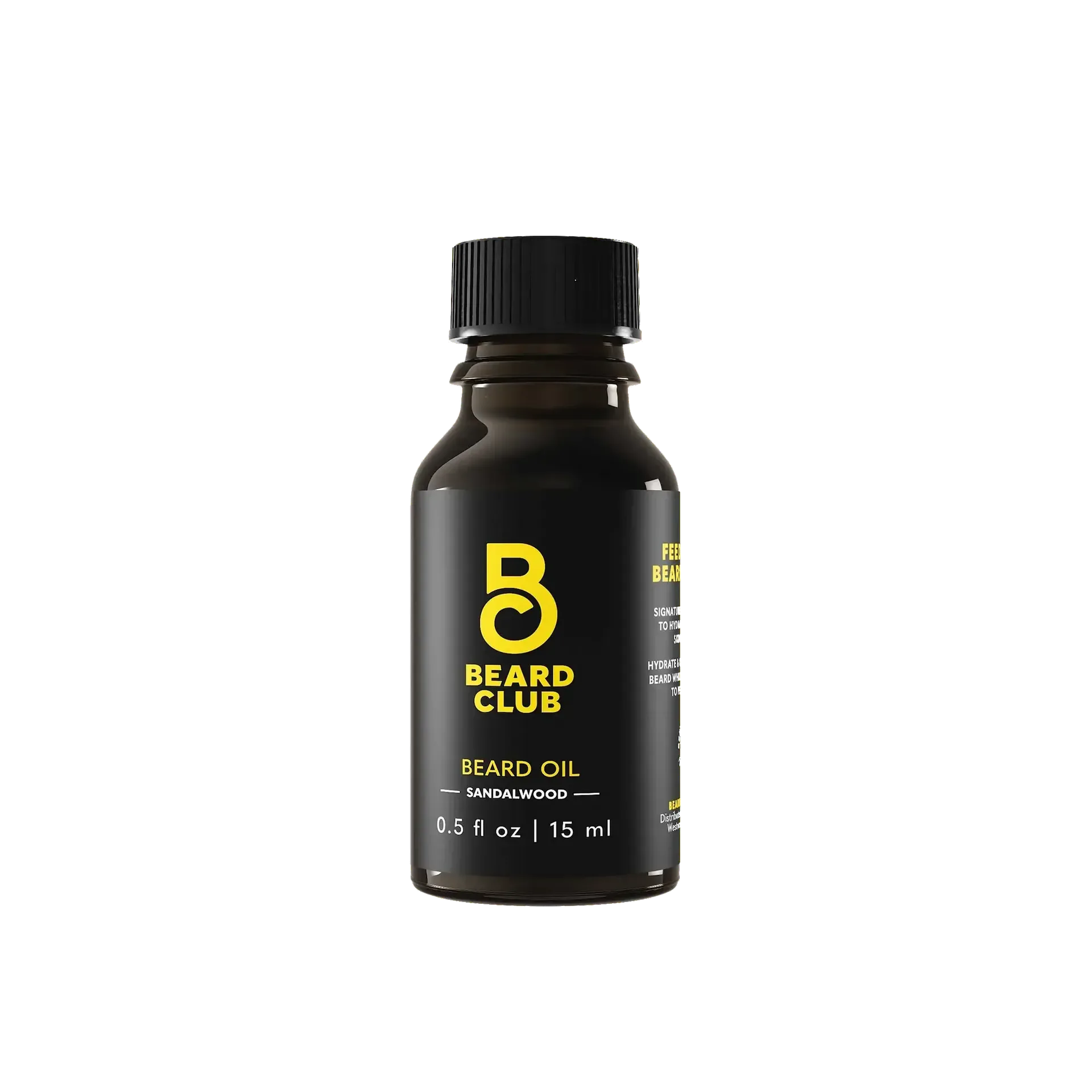
- Sandalwood Beard Oil: Sandalwood Beard Oil softens coarse whiskers and leaves them smelling like warm sandalwood with an oceanside edge. It's subtle enough to wear every day without announcing itself before you do. The refreshing, lighter scent works well for daily wear, especially if you prefer a brighter note over a traditional woodsy one.
Which beard oil fits you?
Best for
- Those who prefer a classic, subtle woodsy scent that won't compete with cologne
- Anyone wanting a traditional barbershop aroma for evening or formal wear
Not for
- Those who want a bright, invigorating scent for daily office or casual use — try sandalwood instead
- If you dislike any woodsy or earthy notes, consider an unscented oil