Quick answer
If your kennel feels stale, damp, or uneven from floor to ceiling, start by checking whether the ceiling fan is actually moving air in the right direction and at the right speed. A ceiling fan control lets you correct both from the wall instead of reaching overhead, so you can test airflow changes quickly and keep the kennel at a more consistent temperature.
Why ceiling fans alone do not fix kennel humidity
A ceiling fan stirs the air already inside the kennel; it does not remove moisture or bring in fresh air. If bedding stays damp or the walls sweat, the fan may be spreading humid air rather than drying the space. Treat the fan as one part of kennel humidity control, alongside fresh-air intake and exhaust, not a substitute for them.
This is also why fan direction matters. In warmer conditions, moving air across the dogs helps them shed heat; in cooler or damp conditions, a gentle upward pull can reduce drafts on animals while still mixing the air. The right setting depends on the season and the kennel's other ventilation, so being able to change it without a ladder is the practical advantage.
When the problem is not the fan
If the air is still heavy after you change fan speed and direction, the limiting factor is likely fresh-air exchange, not circulation. A ceiling fan control cannot lower humidity on its own, and it will not help if the kennel has no intake or exhaust path. In that case, fix the ventilation route first and use the fan to distribute the improved air.
Also check the simple physical causes before adjusting controls: blocked vents, wet bedding left in place, or a fan mounted too high to affect the dogs' level. These are maintenance issues, not control issues, and no setting will compensate for them.
Diagnose the airflow problem before you adjust the control
- Symptom: stale, stuffy air at dog level: Likely cause is poor air mixing rather than low fan speed. Set the fan to a moderate speed and check whether air reaches the dogs' height; if it does not, the fan is too high or too small for the space. If air still does not reach dog level after a speed change, stop adjusting the control and address fan placement or add supplementary ventilation.
- Symptom: damp bedding or condensation on walls: Likely cause is moisture entering faster than it leaves. A ceiling fan control can help mix air, but first confirm fresh-air intake and exhaust are working. Use the control to keep air moving gently while you correct the source of moisture. If bedding stays damp after improving fresh-air exchange and running the fan, the problem is humidity control, not fan control; choose another option such as exhaust ventilation.
- Symptom: hot and cold spots between ceiling and floor: Likely cause is stratified air. Change fan direction seasonally: use downward airflow in warm conditions to move air across the kennel, and a gentler upward setting in cool conditions to mix without drafting the dogs. If reversing direction does not even out the temperature, the kennel needs a different ventilation strategy rather than more fan speed.
- Symptom: dogs avoiding a particular area: Likely cause is a draft or a hot zone from fan direction. Reduce speed or reverse direction and observe. The control lets you make this change immediately without reaching the fan. If avoidance continues after direction and speed changes, stop using the fan as the primary fix and reassess the kennel layout.
Product facts
-
Ceiling Fan Control: Controls fan speed and direction without reaching the fan, and is suited to high ceilings. You can test airflow changes from the floor and adjust for seasonal humidity without climbing, which makes consistent kennel temperature easier to maintain.
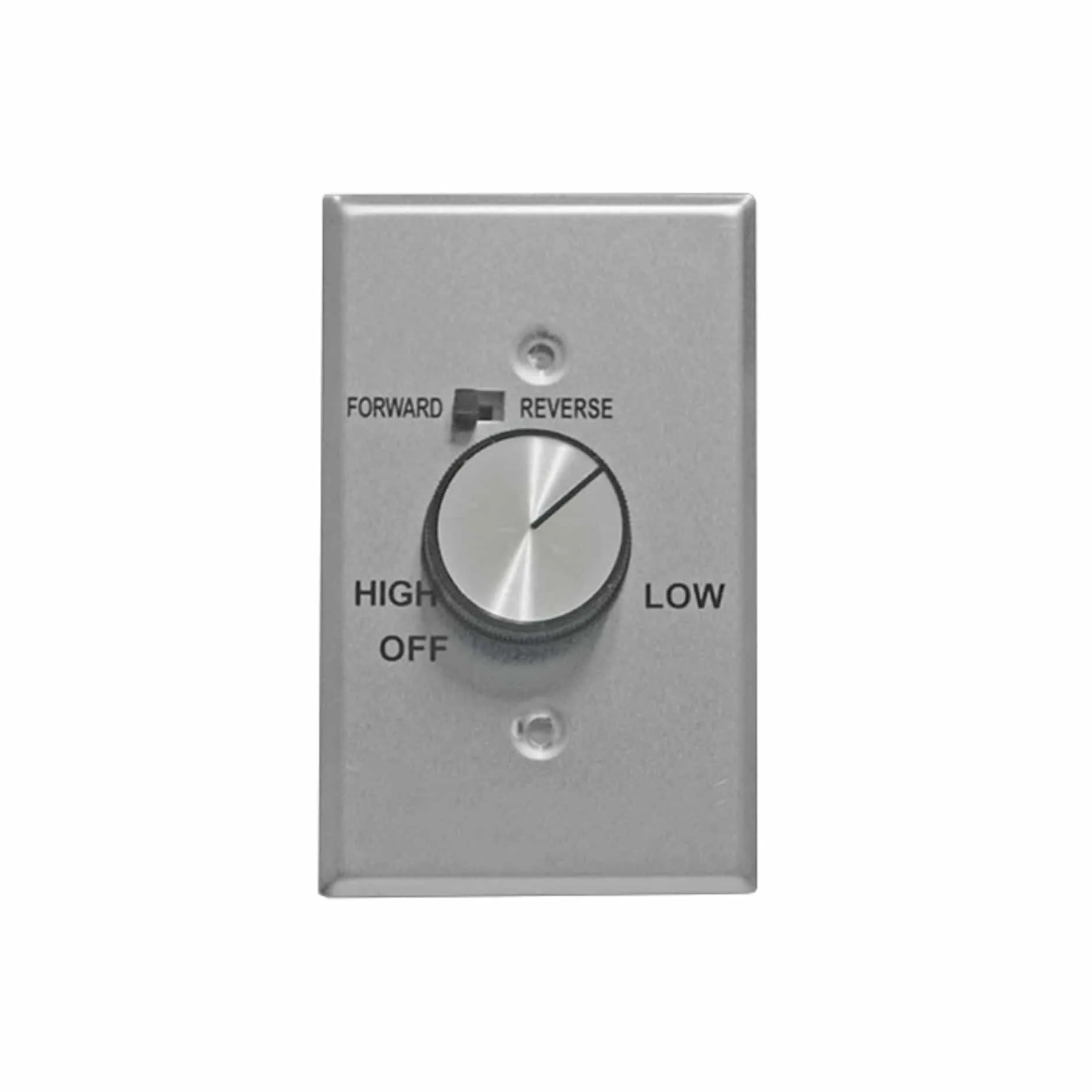
Ceiling Fan Control