Quick answer
Choose Celine Blue if you want a wider, brighter blue effect with a standard pupil opening that is less likely to interfere with vision. Choose Siri Blue only if you prefer its smaller 14.0mm diameter and silicone hydrogel material, and you accept that its smaller pupil hole can obstruct vision. For most people seeking blue contacts for dark eyes, Celine Blue is the safer everyday pick.
What actually changes how blue shows on dark eyes
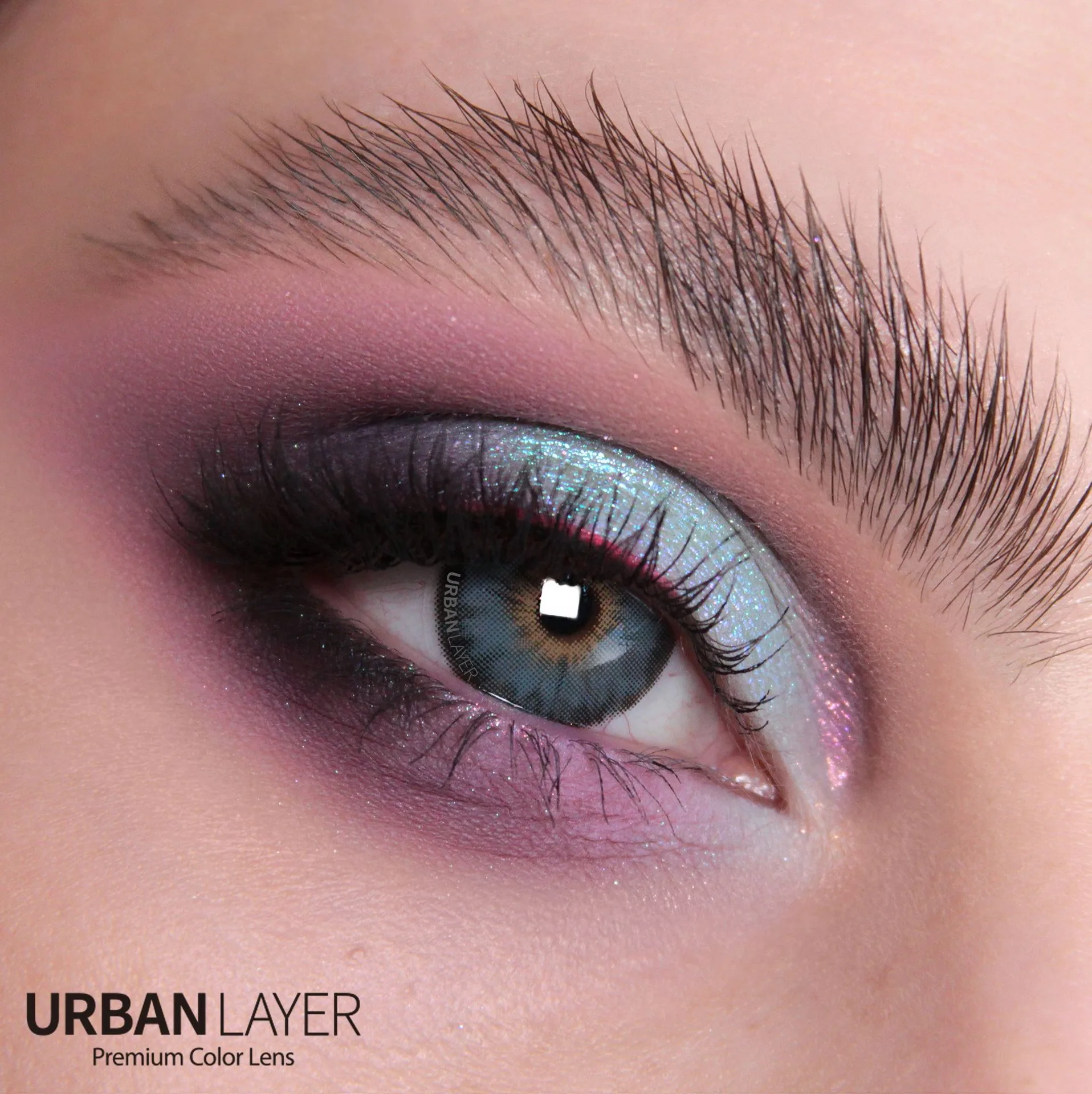
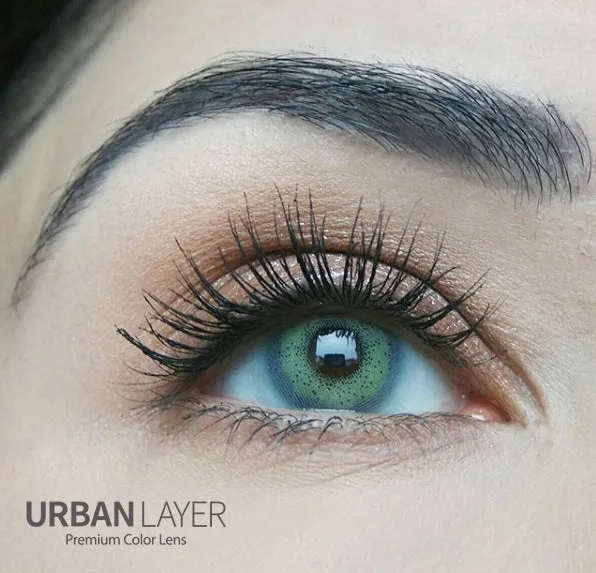
On dark irises, the visible blue comes from the lens's outer ring and how much of your natural iris it covers. A larger diameter covers more iris, creating a wider ring of color. Celine Blue at 14.5mm covers more of the iris than Siri Blue at 14.0mm, so the blue reads as a brighter, more obvious halo. The trade-off is that a bigger lens can look less natural up close and may feel heavier on the eye.
The pupil opening matters just as much. Siri Blue uses a smaller pupil hole than normal color lenses, which the catalog notes can obstruct vision. That is not a minor detail—it can reduce peripheral clarity, especially in low light when your pupils dilate. Celine Blue uses a standard pupil opening, so it is the more practical choice if you plan to wear blue lenses for daily activities rather than a short photoshoot.
Material and fit: hydrogel vs silicone hydrogel
Siri Blue is made from silicone hydrogel or MPC, while Celine Blue is a standard hydrogel lens. Silicone hydrogel typically allows more oxygen to the cornea, which can feel more comfortable over long wear. However, the smaller pupil hole on Siri Blue may cancel out that comfort advantage for many wearers because vision interference is a bigger problem than slight dryness.
Base curve also differs: Celine Blue has an 8.8mm B.C., and Siri Blue has an 8.6mm B.C. A steeper base curve like Siri Blue's can fit some eyes better, but if your corneas are flatter, it may feel tight. Neither lens is custom-fit, so if you have not worn either base curve before, start with short sessions to see how your eyes respond.
How to decide between Celine Blue and Siri Blue
If your goal is the most visible blue brightening on dark eyes, Celine Blue's larger diameter gives you more color coverage. If you prioritize oxygen permeability and have a steeper corneal shape, Siri Blue's silicone hydrogel material might be worth trying—but only if you can tolerate the smaller pupil opening. For most people, the vision obstruction risk makes Siri Blue a specialty lens rather than a daily lens.
Both are 1-year lenses sold as a pair in separate blisters, so care and cleaning habits matter more than the lens itself for longevity. Neither is a daily disposable, so you need a proper cleaning routine. If you want a lower-commitment option, look for daily blue lenses instead.
Trade-offs to weigh before you buy
- Color impact vs. natural look: Celine Blue's 14.5mm diameter gives a stronger blue ring on dark eyes, but it can look more artificial up close. Siri Blue's 14.0mm diameter is subtler but still visible. Pick Celine Blue for maximum brightening; pick Siri Blue if you want a softer effect.
- Vision clarity vs. material comfort: Siri Blue uses silicone hydrogel, which typically breathes better, but its smaller pupil hole can obstruct vision. Celine Blue uses standard hydrogel with a normal pupil opening. If you drive or wear lenses in low light, Celine Blue is the safer choice.
- Fit curve: Celine Blue has an 8.8mm base curve; Siri Blue has a steeper 8.6mm base curve. Neither is a custom fit. If you know your base curve, match it; if not, start with short wear times to test comfort.
Key specs at a glance
- Celine Blue: DIA 14.5mm, B.C. 8.8mm, hydrogel, 40% water content, 1-year lens, 2 pieces per box. The larger 14.5mm diameter covers more iris, making the blue more visible on dark eyes, while the standard pupil opening avoids the vision obstruction risk noted on Siri Blue.
- Siri Blue: DIA 14.0mm, B.C. 8.6mm, silicone hydrogel or MPC, 40% water content, 1-year lens, 2 pieces per box. Catalog notes its pupil hole is smaller than normal color lenses and can obstruct vision. The silicone hydrogel material may offer better oxygen flow, but the smaller pupil hole is a real functional limitation that can reduce clarity, especially in low light.
Who should choose which
Best for
- People with dark eyes who want a noticeably brighter blue effect
- Daily wearers who need a standard pupil opening for clear vision
- Those who prefer a 14.5mm diameter for more iris coverage
Not for
- Anyone who wants a subtle, natural blue look (consider a smaller diameter lens)
- People who prioritize silicone hydrogel material over pupil opening size
- Shoppers looking for daily disposables (these are 1-year lenses)