Quick answer
Choose Celtic Grain if you want a bag that holds its shape, resists visible scuffs, and suits structured styles like The Poppy. Choose Calf Grain if you prefer a softer, smoother hand-feel and a more relaxed drape, as on The Mini Sophie or The Soft Satchel. Neither is objectively better; the right pick depends on how you carry your bag and how much structure you want.
What the two grains actually are
Both Celtic Grain and Calf Grain are real leather finishes used across the Cambridge Satchel range, but they behave differently in daily use. Celtic Grain has a pronounced, slightly pebbled surface that reads as textured and traditional. Calf Grain is smoother and more supple, with a finer surface that catches light rather than diffusing it.
The practical difference shows up in how each leather moves. Celtic Grain tends to stay put and hold a silhouette, which is why it appears on shaped designs. Calf Grain flexes and softens, which is why it appears on bags designed to slouch or fold. If you have handled both in person, the Calf Grain will usually feel the more pliable of the two from day one.
How each grain wears over time
Celtic Grain's textured surface is the reason it hides everyday marks well. Light scuffs and the kind of surface wear that comes from setting a bag down tend to blend into the grain rather than stand out. That makes it a sensible choice if you are hard on your bags or carry them in busy environments.
Calf Grain shows its character differently. Because the surface is smoother, it can develop a softer, more broken-in look as it flexes, and any marks are more likely to be visible. The trade-off is that Calf Grain often feels more luxurious in the hand and drapes more naturally against the body. Neither leather is inherently more durable in a way we can quantify; the difference is in how each one displays wear.
Matching grain to bag shape
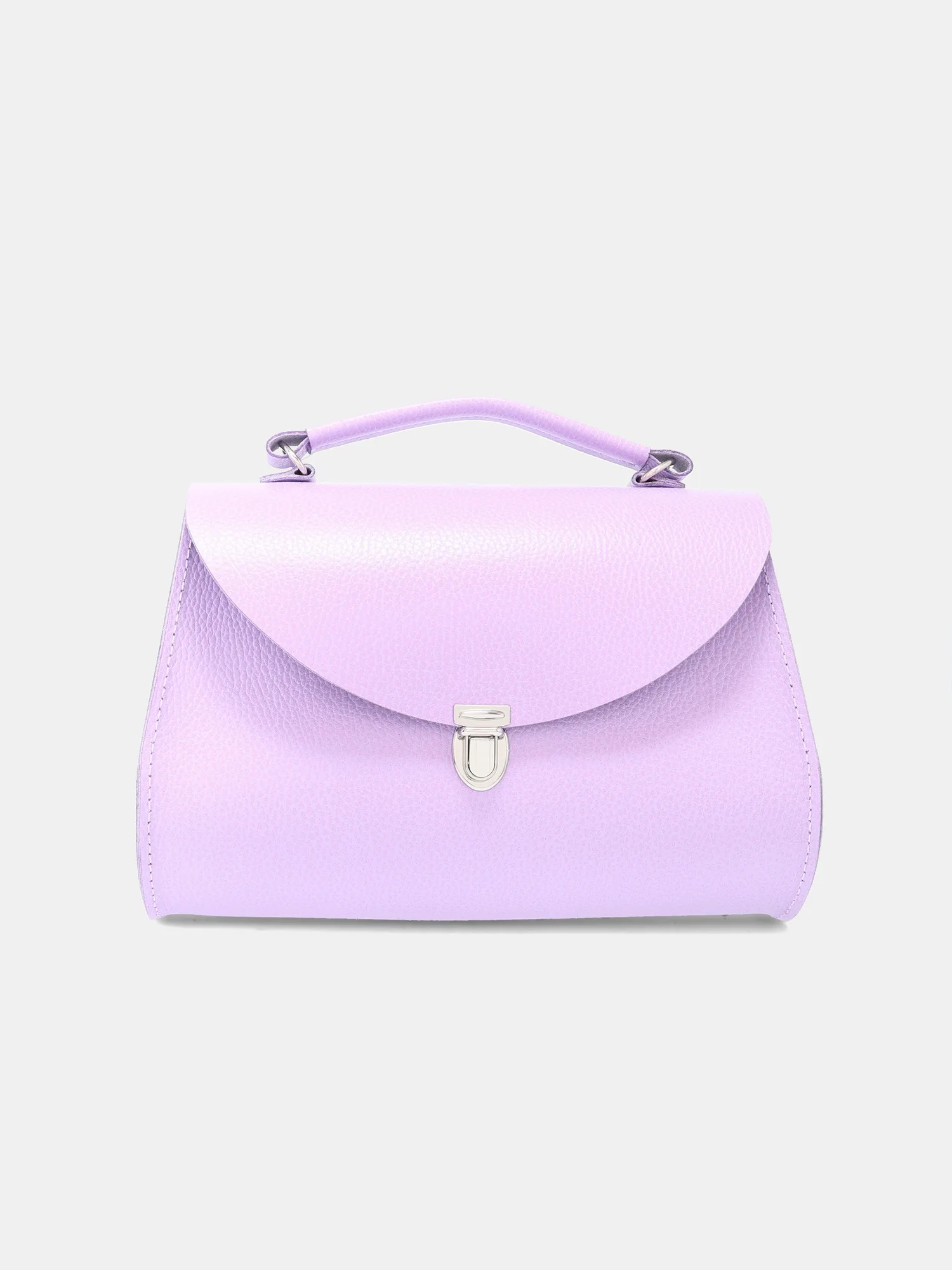
The grain should follow the silhouette you want. Structured, curved shapes rely on a leather that holds an edge, which is why The Poppy in Lavender Celtic Grain keeps its distinctive curved silhouette and pushlock closure looking crisp. A softer grain on the same shape would fight the design.
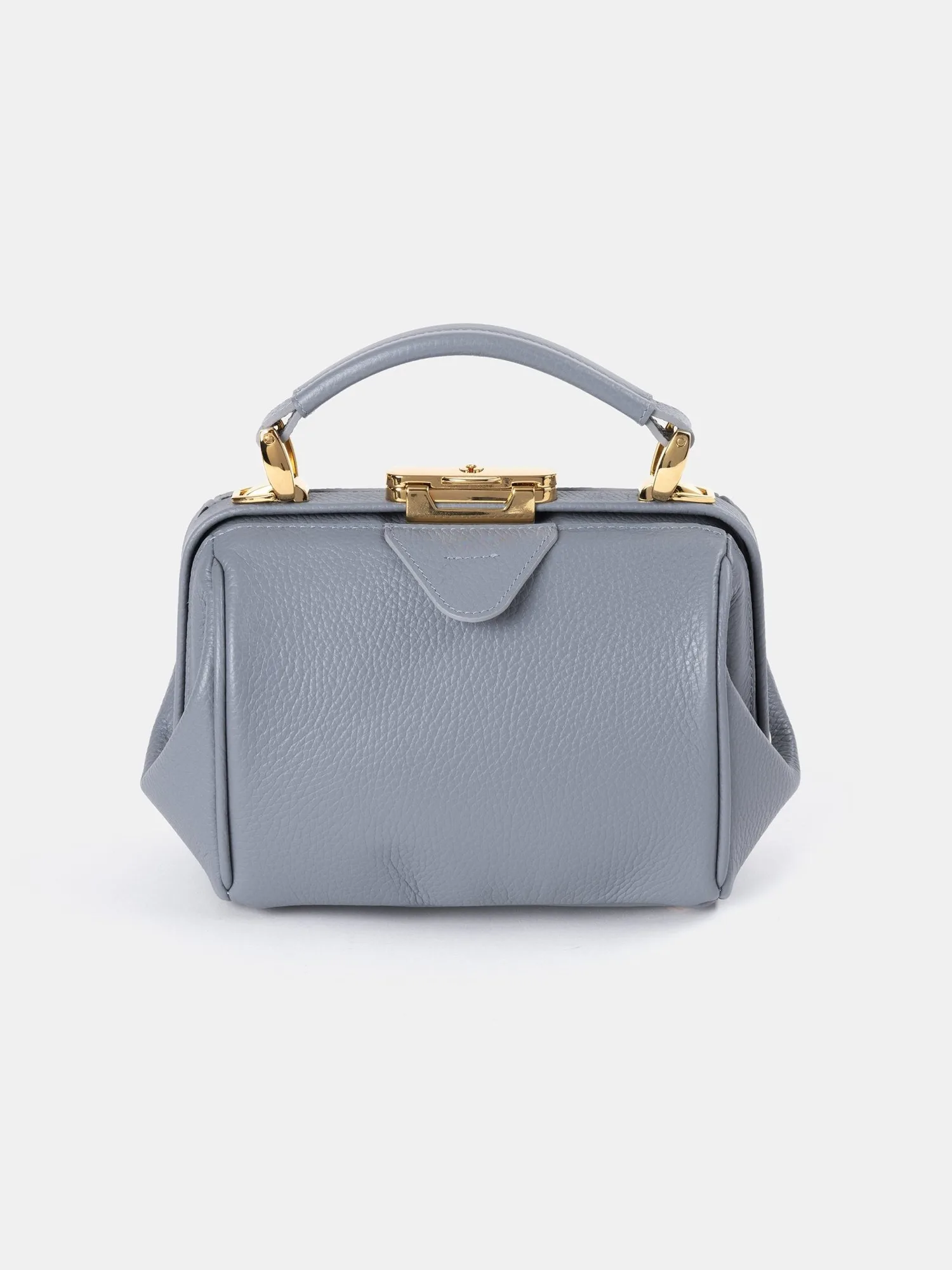
Conversely, bags built around relaxed proportions need a leather that moves. The Soft Satchel in Bordeaux Calf Grain uses supple Calf Grain precisely so it can slouch while keeping its top handle and adjustable crossbody strap practical. The Mini Sophie in French Grey Calf Grain takes the opposite approach: a petite, elegant shape where the soft Calf Grain keeps it from feeling rigid despite the small size.
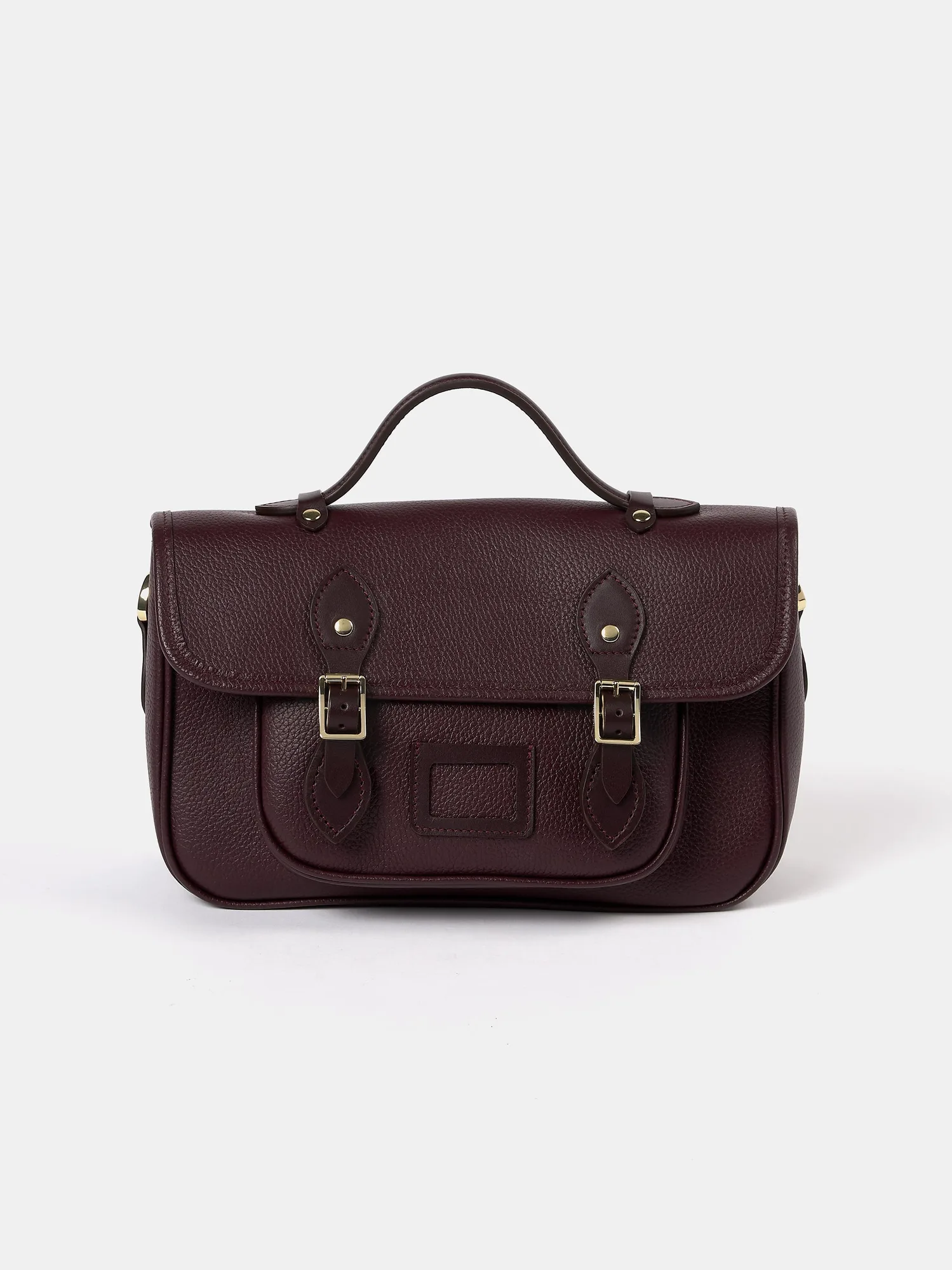
If you already know you want a compact structured bag, The Mini in Bright Green uses a compact satchel design with a top handle and detachable, adjustable shoulder strap, and its smaller footprint means structure matters more than drape.
Care and everyday handling
Both grains are handcrafted in England and come with a protective dust bag, so storage habits matter more than the grain itself. Keep either bag in its dust bag when not in use, and avoid overloading a Calf Grain bag, since soft leather can stretch where a structured grain would resist.
For Celtic Grain, a soft dry cloth is usually enough to lift surface dust from the textured finish. For Calf Grain, take extra care with anything abrasive, because the smoother surface has nowhere to hide a scuff. If you are unsure which products are safe on your specific bag, follow the care guidance for your leather type rather than assuming one routine fits both.
The trade-offs, side by side
- Structure vs drape: Celtic Grain holds a defined shape, which suits curved or formal silhouettes like The Poppy. Calf Grain softens and drapes, which suits relaxed designs like The Soft Satchel. Pick structure if you want the bag to keep its lines; pick drape if you want it to move with you.
- Scuff visibility: Celtic Grain's textured surface disguises light marks. Calf Grain's smoother surface shows them more readily. If you set your bag down often, Celtic Grain is the more forgiving choice.
- Hand-feel and formality: Calf Grain feels smoother and more supple from the start, which reads as more refined on petite or evening-appropriate bags like The Mini Sophie. Choose Calf Grain when the feel in your hand matters as much as the look.
Two bags that show the difference
- The Mini Sophie - French Grey Calf Grain: The Mini Sophie - French Grey Calf Grain uses premium soft and flexible calf grain leather in a petite version of the Sophie design, with a detachable shoulder strap and a little golden key for locking. A clear example of Calf Grain used to keep a small, elegant bag soft and versatile rather than stiff.
- The Poppy - Lavender Celtic Grain: The Poppy - Lavender Celtic Grain has a distinctive curved silhouette and a pushlock closure system with organised interior storage. Shows Celtic Grain holding a shaped, structured design where the curve and closure need the leather to keep its form.
- The Soft Satchel - Bordeaux Calf Grain: The Soft Satchel - Bordeaux Calf Grain has relaxed proportions, supple leather, magnetic closures, a top handle and an adjustable crossbody strap, plus a lined interior with an internal zipped pocket and reverse slip pocket. Demonstrates Calf Grain chosen specifically for a casual, slouchy carry with practical organisation.
Which grain is right for you?
Choose this if
- You want a structured bag that keeps its shape, such as a curved or pushlock design
- You carry your bag in busy environments and want marks to blend in
- You prefer a textured, traditional leather look
Skip this if
- You want a soft, slouchy bag that folds and drapes against the body
- You prefer a smooth, refined surface and don't mind it showing wear
- You want the most pliable feel straight out of the box