Quick answer
Use a dedicated center channel when your room and budget allow it. A center like the Aperion Novus N6C or Verus V8C is designed to anchor dialogue across a wide listening area. A bookshelf speaker can serve as a center in a pinch or in very small setups, but it usually trades away horizontal dispersion and seamless matching with your left and right speakers.
What a dedicated center channel does differently
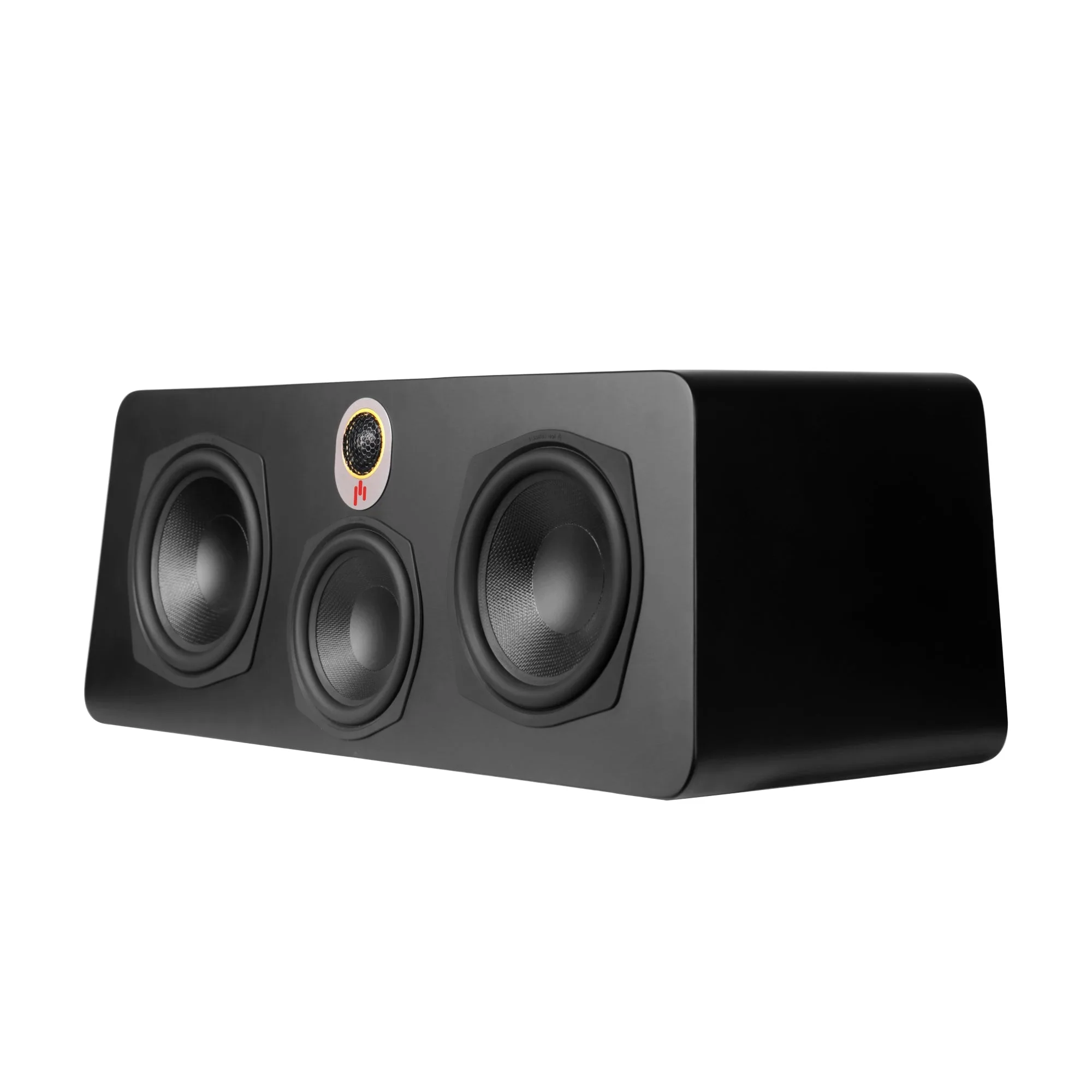
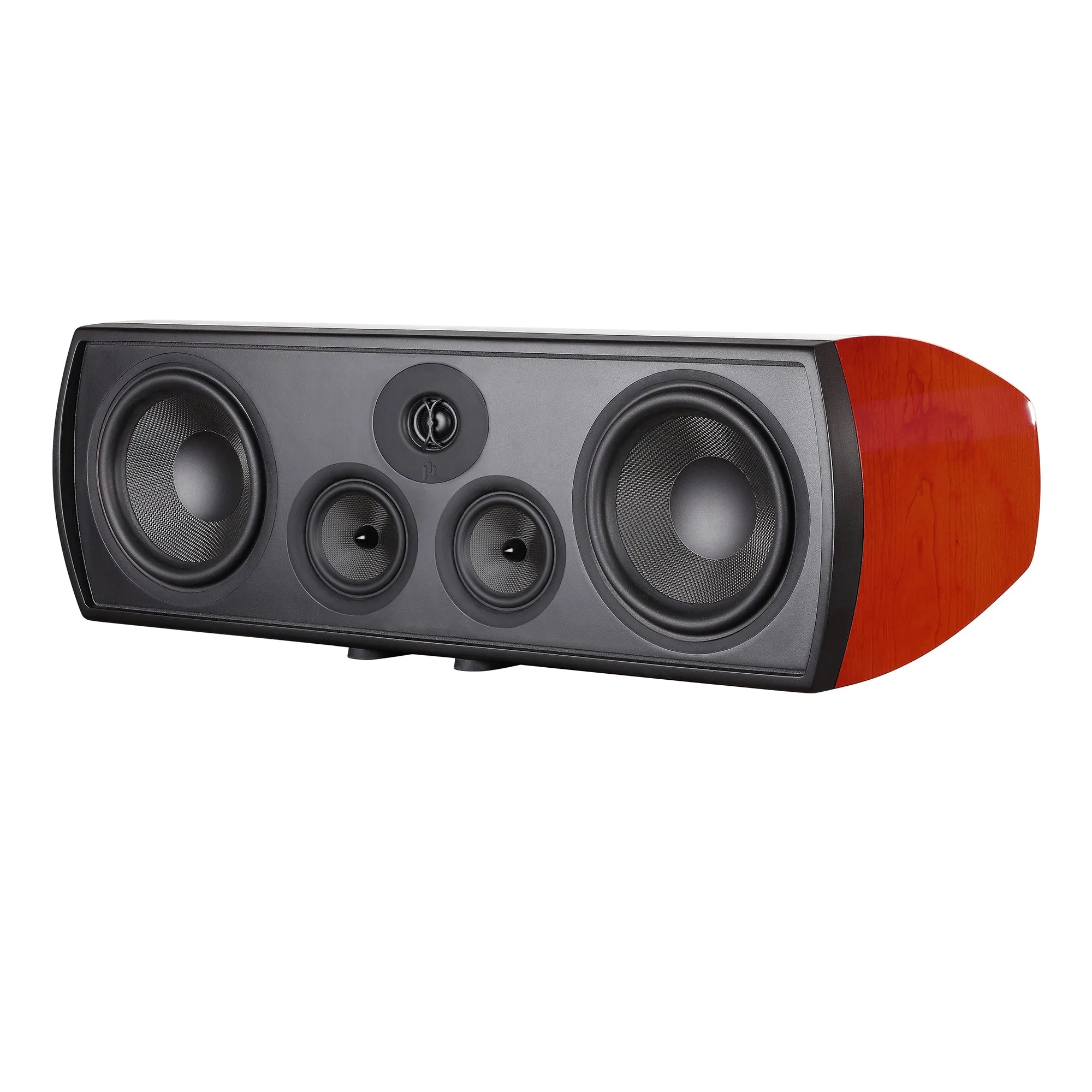
A center channel is built to sit horizontally under or above a screen and spread dialogue evenly to every seat. Its driver layout and crossover are tuned for that job, which is why most home theater setups treat the center as the most important speaker. The Novus N6C uses a 6.5-inch center design that clarifies movie dialogue, while the Verus V8C is a 3-way 8-inch center built for dynamic power and an expansive sweet spot. Those are different tools from a bookshelf pair, which is voiced for stereo imaging and placed vertically.
When a bookshelf as a center makes sense
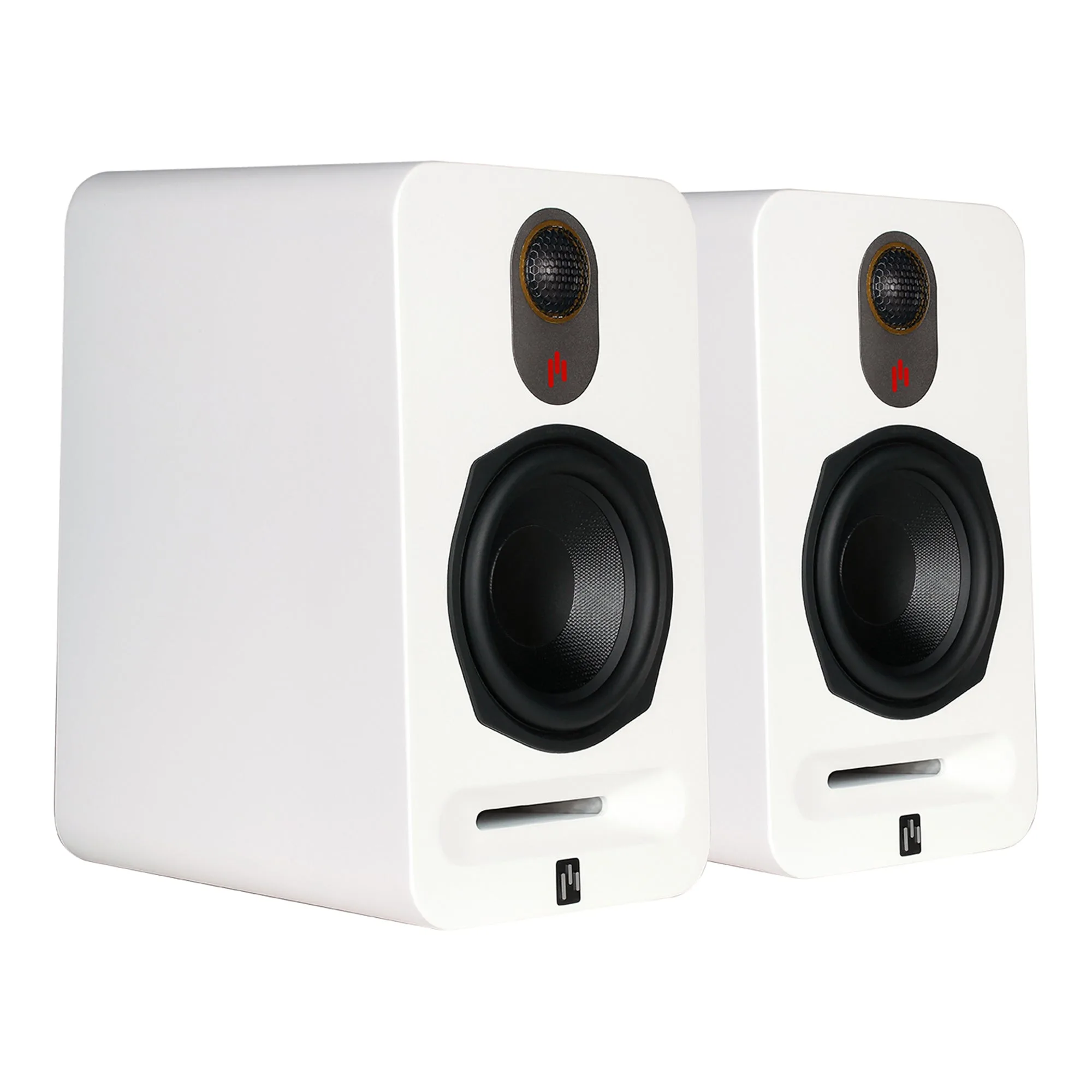
A bookshelf can be the practical choice when space below the screen is tight, when you already own a pair and want to experiment, or when the system is a compact stereo-first setup. The Novus N5B is a front-ported 5.25-inch bookshelf that works as a compact stereo pair, as part of a front stage, or as surround speakers. Front porting helps when you must place it near a wall or shelf back. The catch: a single bookshelf used horizontally may not spread sound as widely as a purpose-built center, and it may not match the voicing of your left and right speakers as closely as a center from the same series.
Matching the center to your left and right speakers
The safest match is a center from the same series as your front left and right speakers. That keeps timbre consistent as sounds pan across the front stage. If you are building from scratch, choose the center first or alongside the fronts, not months later. The Novus N6C pairs naturally with Novus bookshelf models, while the Verus V8C belongs with Verus-series fronts. If you mix series, expect to adjust levels and accept some tonal shift. There is no universal crossover setting that fixes a mismatched center; placement and level are your main tools.
Placement and power checks before you decide
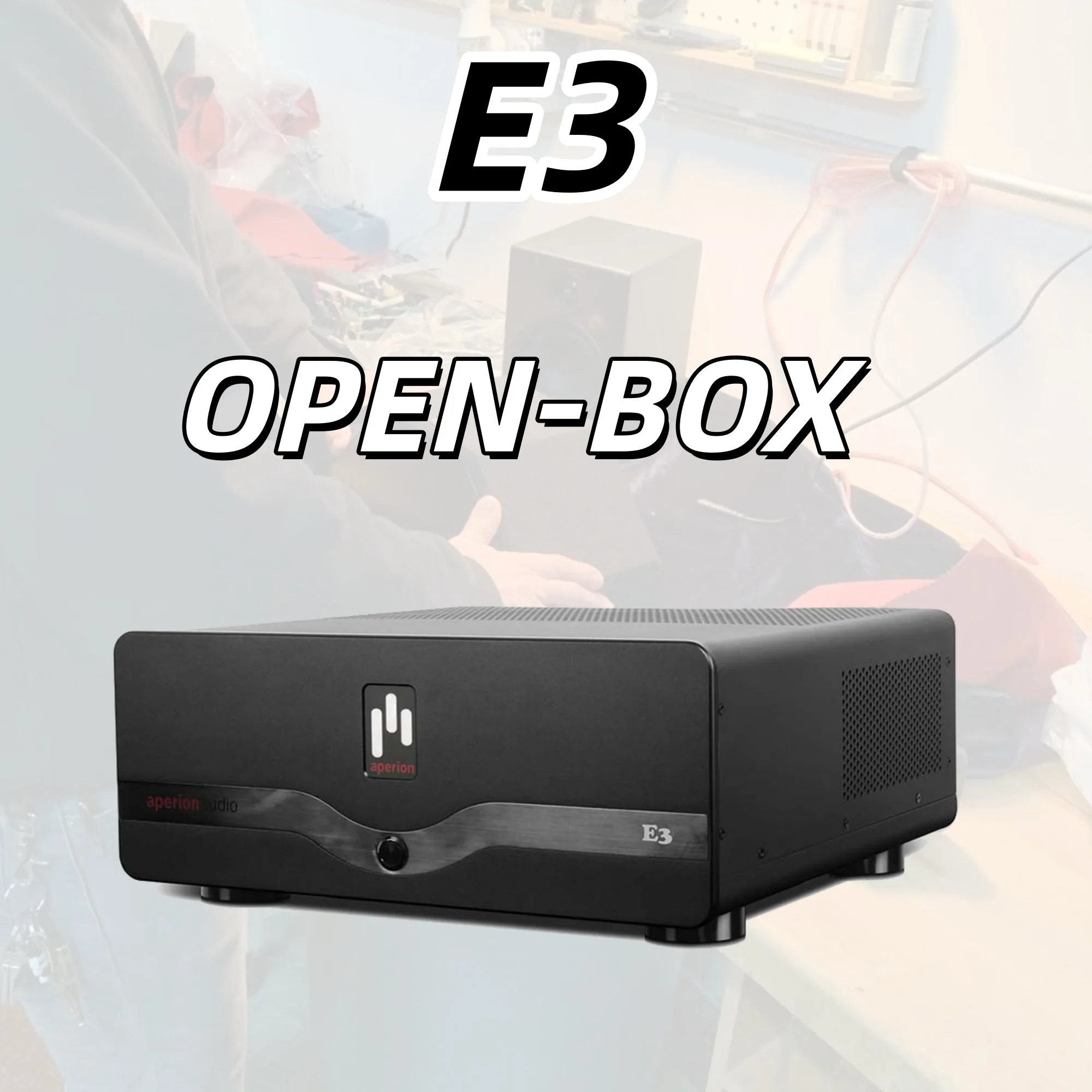
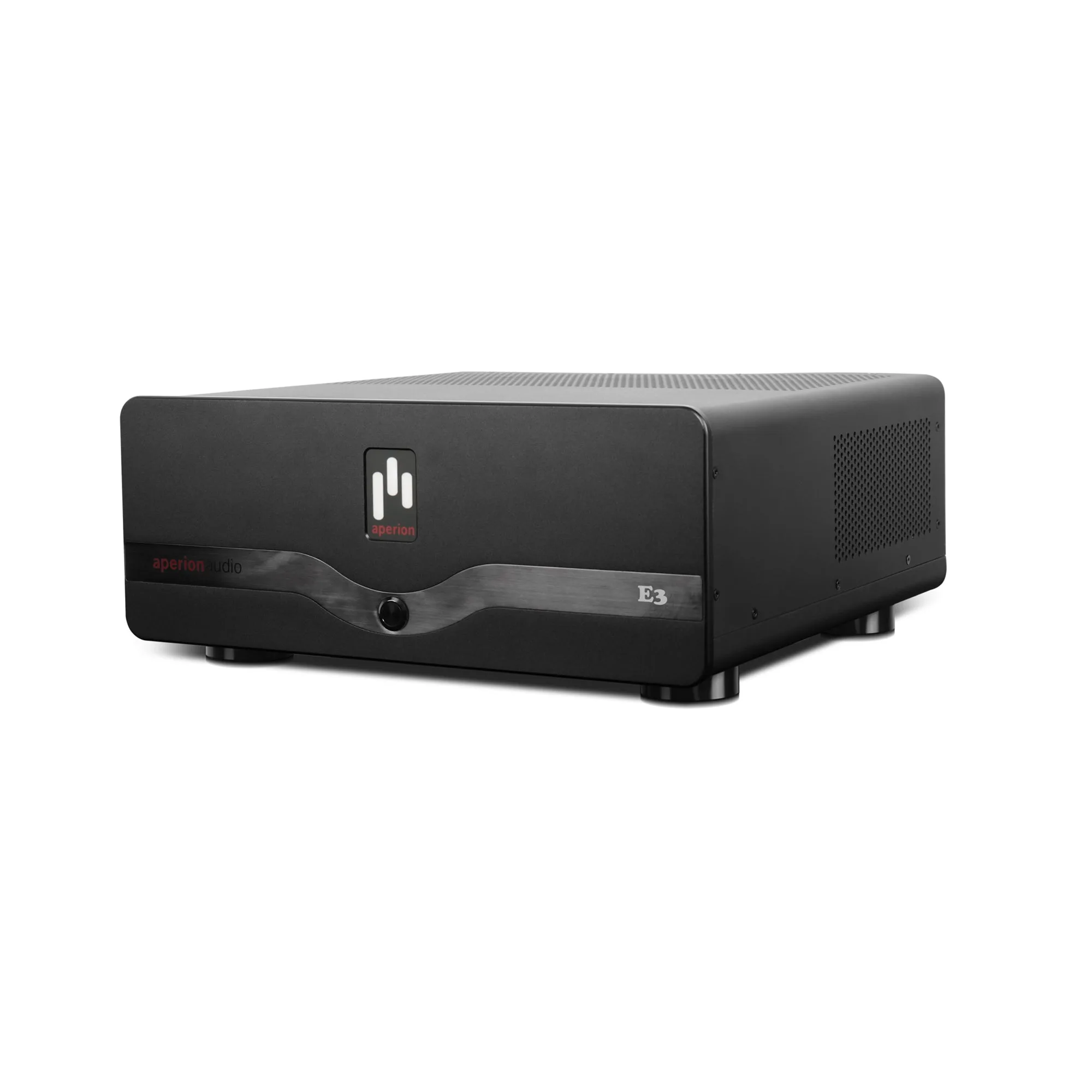
A center channel needs a clear path to the main listening position and should sit as close to ear height as practical, angled slightly up or down if needed. A bookshelf used as a center should be placed the same way, not tucked into a cabinet. Also check your amplification: a larger 3-way center like the Verus V8C can benefit from more clean power, and an outboard amplifier such as the Energy E3 3-channel model can open up dynamic headroom in demanding scenes. The E3 is listed as an open-box unit, so confirm condition and warranty details before buying.
Trade-offs to weigh
- Dialogue focus vs stereo flexibility: A dedicated center like the Novus N6C is tuned for dialogue and horizontal dispersion. A bookshelf like the Novus N5B is tuned for stereo and can move to surround duty later. Choose the center if movies dominate; choose the bookshelf if the system must do double duty.
- Wide sweet spot vs compact footprint: The Verus V8C's 3-way 8-inch design aims for an expansive sweet spot, but it needs more space and likely more power. A 5.25-inch bookshelf fits tighter spaces with less demand. Measure your opening and seating rows before sizing up.
- Series matching vs mixing brands: Staying within one series keeps timbre consistent. Mixing a bookshelf from another line as a center can create a tonal shift across the front stage. If you must mix, plan to adjust levels and accept some compromise.
Product facts
- Novus N6C 6.5" Center Channel Speaker: Novus N6C 6.5-inch center speaker with a streamlined arc design and Stealth Black finish; catalog describes it as clarifying movie dialogue. A dedicated center aimed at dialogue clarity is the straightforward choice for most TV and movie setups.
- Verus V8C Center Channel Speaker: Verus V8C is a 3-way 8-inch center channel described as providing clarity, dynamic power, and an expansive sweet spot. A larger 3-way center suits bigger rooms and multiple seating rows where wide dispersion and headroom matter.
- Novus N5B 5.25" Bookshelf Speaker Pair: Novus N5B is a front-ported 2-way 5.25-inch bookshelf pair that can serve as a compact stereo pair, front stage, or surrounds. A bookshelf pair gives flexibility, but using one as a center is a compromise rather than a designed-for purpose.
- Energy 3 Channel Home Theater Power Amplifier – E3 (Open Box): Energy E3 is a 3-channel home theater power amplifier offered as an open-box unit, described as adding dynamic power to a home theater system. If you choose a power-hungry center, an outboard amp can help, but open-box condition should be verified.
Which should you choose?
Best for
- Movie and TV viewers who want clear dialogue across multiple seats
- Listeners building a matched front stage from one speaker series
Not for
- Very tight spaces where a horizontal center cannot fit or be aimed
- Stereo-only listeners who do not need a center channel at all