Quick answer
Choose centre-feed wiping rolls for fast, one-handed pickup of spills and for messy rooms where a dispenser would be knocked about. Choose couch rolls when you want tidy, controlled sheet-by-sheet dispensing on a bench or couch, especially in nurseries and clinics. If you cannot decide, run centre-feed rolls in the wet areas and couch rolls at the treatment or changing station.
Both centre-feed rolls and couch rolls are bulk wiping rolls, but they fail in different ways. Pick the wrong one and you either fight a dispenser all day or leave a trail of loose paper across the floor.
This comparison sticks to the practical differences: how each roll feeds, how much mess it makes, where it fits, and what it costs per roll. Use it to decide which format belongs in each room rather than choosing one for the whole building.
How each roll actually feeds
A centre-feed roll is wound so the paper pulls out from the hollow middle. You reach in, pinch the inner tail and draw the sheet up and out. There is no spindle, no holder and no outer wrap to remove, so the roll can sit on a shelf, in a bucket or on the floor. The trade-off is that the first pull can be fiddly until you find the centre tail, and the roll collapses inward as it empties.
A couch roll unwinds from the outside, usually on a wall or bench dispenser with a spindle through the core. You tear sheets against the dispenser edge, which gives consistent sheet lengths and keeps unused paper covered. The trade-off is that you need the right dispenser and a flat surface or wall to mount it, and the roll is useless if the dispenser jams or the spindle is missing.
- Centre-feed: no dispenser needed, but expect a loose tail of paper at the roll.
- Couch roll: tidier sheets, but only if the dispenser is mounted securely.
Mess, hygiene and cross-contamination
Centre-feed rolls win on speed but lose on tidiness. Because the paper comes from the middle, the outer layers stay clean and protected, which is a genuine hygiene advantage in a room where hands are wet or gloved. The downside is the loose tail: once pulled, the sheet sits exposed until you tear it, and an over-pulled tail can trail onto the floor.
Couch rolls keep paper enclosed until you tear a sheet, so the next user always gets a clean edge. In a nursery or clinic, that controlled dispensing matters when staff are moving between a changing mat and a sink. The trade-off is that a jammed or empty dispenser stops the whole station, whereas a centre-feed roll keeps working even if it is half-empty and lying on its side.
- Wet hands: centre-feed is easier to grab one-handed.
- Shared stations: couch rolls give a cleaner, more predictable sheet every time.
Where each format fits best
Centre-feed wiping rolls suit wet, high-turnover areas: cleaning cupboards, kitchen prep zones, art tables and anywhere a dispenser would be in the way. They are also the practical choice for mobile cleaning trolleys because there is nothing to mount. If your team is wiping spills mid-session, the no-holder design saves seconds on every job.
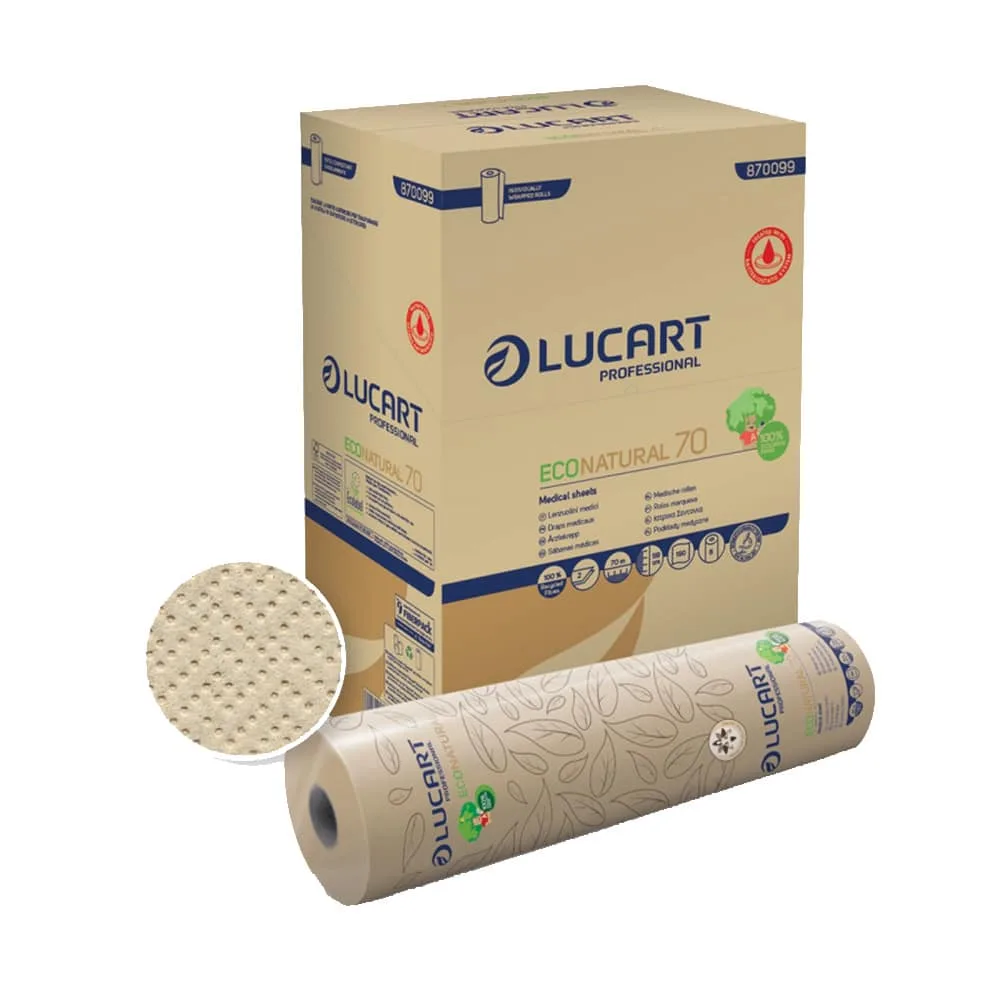
Couch rolls for nurseries and clinics make more sense at fixed points: changing stations, treatment couches, first aid bays and reception desks. A mounted roll gives you a set sheet length, which reduces waste and keeps the surface looking tidy between users. For a full comparison of bulk wiping rolls, match the format to the room rather than standardising on one type.
- Mobile trolley or wet room: centre-feed.
- Fixed changing or treatment station: couch roll on a dispenser.
Ply, sheet count and what you actually pay for
A 2 ply centre feed roll gives you two bonded layers, which handles light spills and general wiping without tearing as quickly as a single-ply sheet. Ply is not the only number that matters: sheet count and roll count decide how often you reorder. A roll sold as 60 sheets is not the same as a roll sold by weight, so compare the pack maths before you judge the price.
For couch rolls, check whether the roll is embossed or plain and whether it is perforated. Embossed paper tends to hold together better when wet, which matters if you are wiping a changing mat rather than a dry surface. If a specification is not listed, treat it as unknown and ask before committing to a bulk order.
- Compare cost per sheet, not cost per roll.
- If ply or sheet count is missing from the listing, ask before ordering in bulk.
Trade-offs at a glance
- Speed vs tidiness: Centre-feed rolls let you grab a sheet one-handed with no dispenser, but the exposed tail can trail onto the floor. Couch rolls give a controlled tear every time, but only when the dispenser is mounted and working. Pick centre-feed for wet, fast jobs; couch rolls for visible, shared stations.
- No dispenser vs fixed dispenser: Centre-feed works on any flat surface and travels on a trolley. Couch rolls need a dispenser, and a jam or empty core stops the station until someone refills it. If you cannot mount a dispenser, do not buy couch rolls.
- Cost per roll vs cost per sheet: A cheap roll with fewer sheets can cost more per wipe than a larger roll. Check sheet count and roll count together, and treat missing ply or sheet data as a reason to ask before a bulk order. Compare cost per sheet, then buy the case size your storage allows.
Product facts to compare
- Kitchen Rolls 60 Sht White 6×4 Rolls: Good value 60 sheet rolls, 2ply unprinted, embossed. Product Details – 24 Rolls x 60 Sheets. A 2 ply centre feed roll in a 24-roll case suits settings that go through paper quickly and want a known sheet count for reordering.
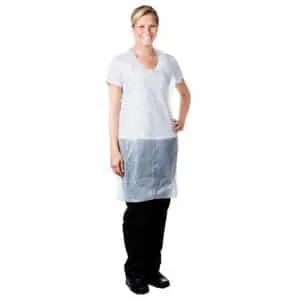
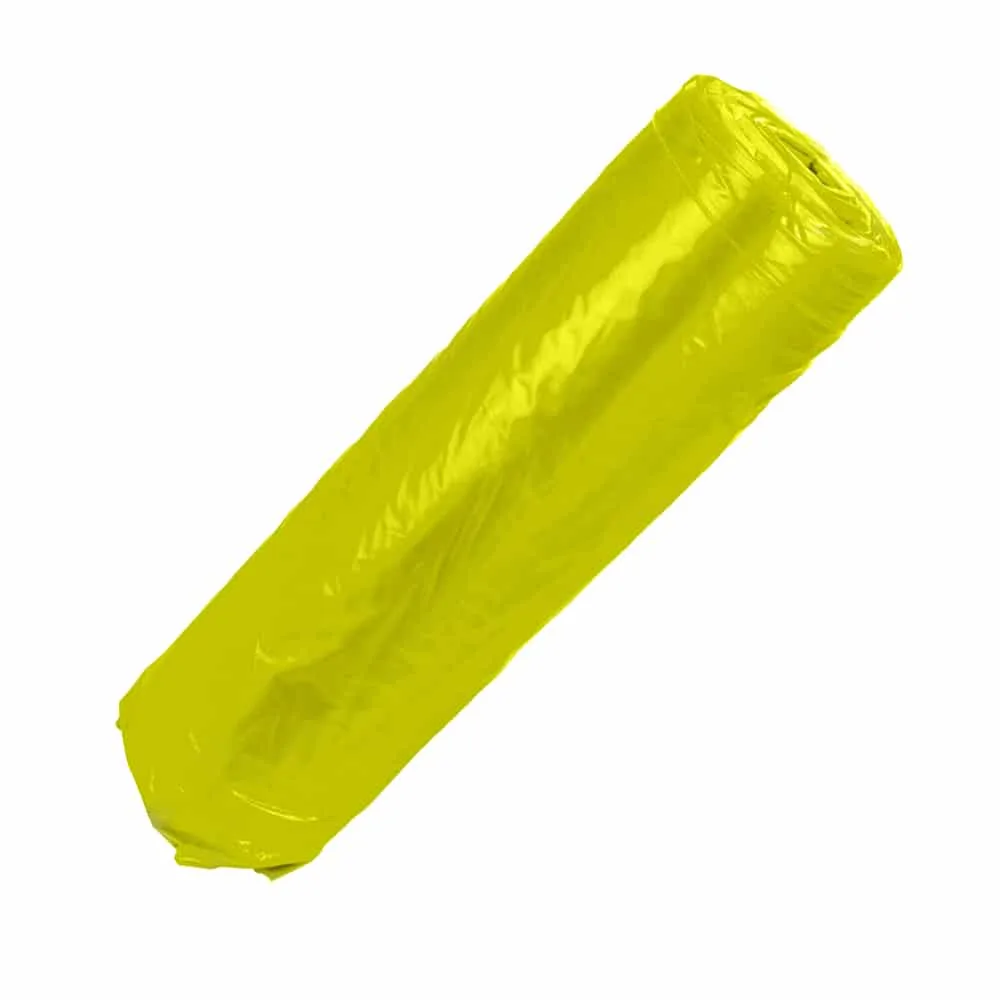
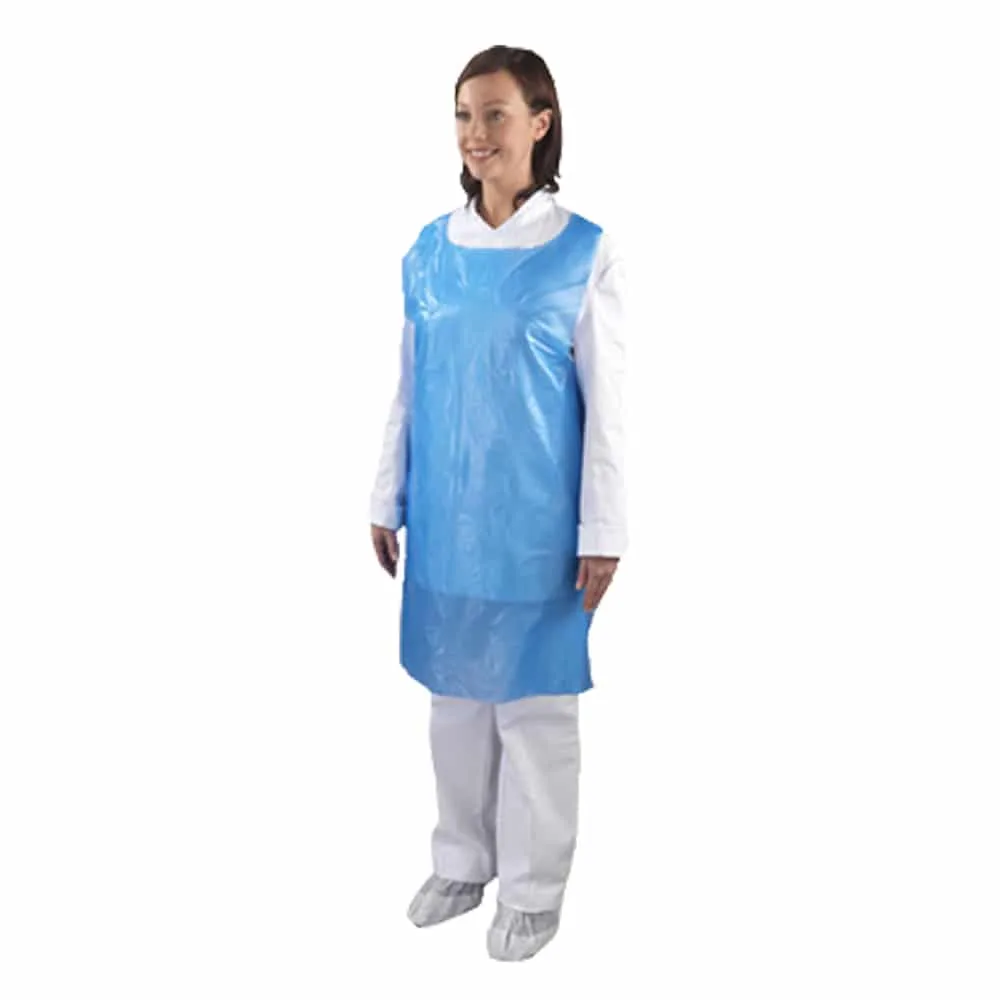
- Premium Blue Aprons On A Roll – Blue – 1×200: Individual roll of 200 aprons in Blue. A single 200-apron roll is a low-commitment way to test whether roll-based dispensing works in your room before buying a multi-pack.
- Premium Blue Aprons on a Roll 5×200: Five packets of 200 blue aprons on a roll. Made from polythene, our single use disposable aprons on a roll are liquid resistant and prevent the transfer of fluids. The 5×200 pack is the bulk option for nurseries, catering and cleaning teams that already know roll dispensing fits their workflow.
Which should you choose?
Best for
- Nurseries and clinics with a fixed changing or treatment station that can take a mounted couch roll dispenser
- Cleaning teams and mobile trolleys that need a bulk wiping roll with no holder and one-handed pickup
- Kitchens, art rooms and wet areas where a 2 ply centre feed roll handles light spills and general wiping
Not for
- Rooms with no wall or bench space for a dispenser, where couch rolls become unusable
- Settings that need a guaranteed sheet length and tidy presentation from a centre-feed roll
- Buyers who cannot confirm ply or sheet count on a listing and need a precise cost per wipe before ordering in bulk
Most settings do not need to choose one format everywhere. Put centre-feed rolls where hands are wet and speed matters, and couch rolls where a dispenser can keep sheets clean and controlled. Match the roll to the room, check the pack maths, and reorder the format that your team actually reaches for.