When you’re stocking your kitchen or setting a table that gets daily use, durability is often the top concern. Ceramic and glass dinnerware both look great, but they behave very differently when dropped, stacked, or exposed to hot food. Understanding the real-world differences helps you pick a set that lasts without constant replacements.
In this comparison, we’ll break down how each material handles chips, cracks, thermal shock, and everyday wear. We’ll also look at practical considerations like weight, maintenance, and how each performs during entertaining. By the end, you’ll know exactly which option fits your lifestyle.
Chip and Crack Resistance: Ceramic vs. Glass
Ceramic dinnerware, especially stoneware and porcelain, is fired at high temperatures, which makes the body dense and hard. This hardness gives it good resistance to scratching and surface wear, but it also means ceramic can chip if knocked against a hard edge. A ceramic plate like the Dinner Plate Set of 4 is sturdy enough for everyday meals, but you’ll want to handle it carefully when washing or stacking.
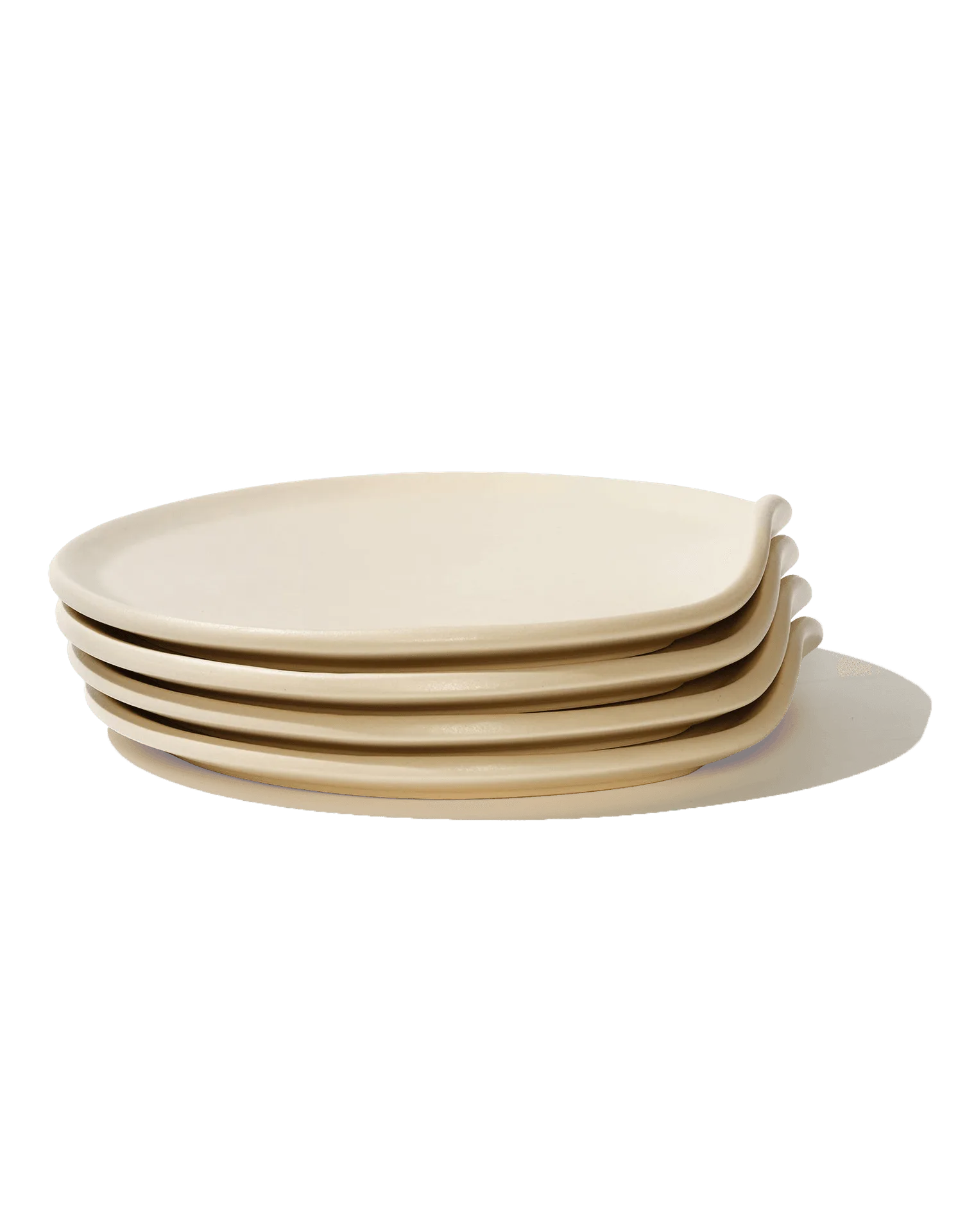
Dinner Plate Set of 4
Glass dinnerware, particularly tempered glass, is engineered to be stronger than standard glass. It can withstand more impact without chipping, but when it does break, it tends to shatter into many pieces rather than crack cleanly. For households with children or frequent clumsy moments, glass may feel more forgiving, though ceramic often wins on overall longevity if handled with reasonable care.
- Ceramic is harder but more prone to chipping on edges. Glass is more impact-resistant but can shatter completely.
Heat Tolerance and Thermal Shock
One area where ceramic clearly outperforms glass is heat retention and resistance to thermal shock. Ceramic plates and bowls can go from the oven to the table without cracking, as long as they’re oven-safe. The Medium Goun Bowl, for example, handles hot soups and baked dishes beautifully, keeping food warm longer than glass would.
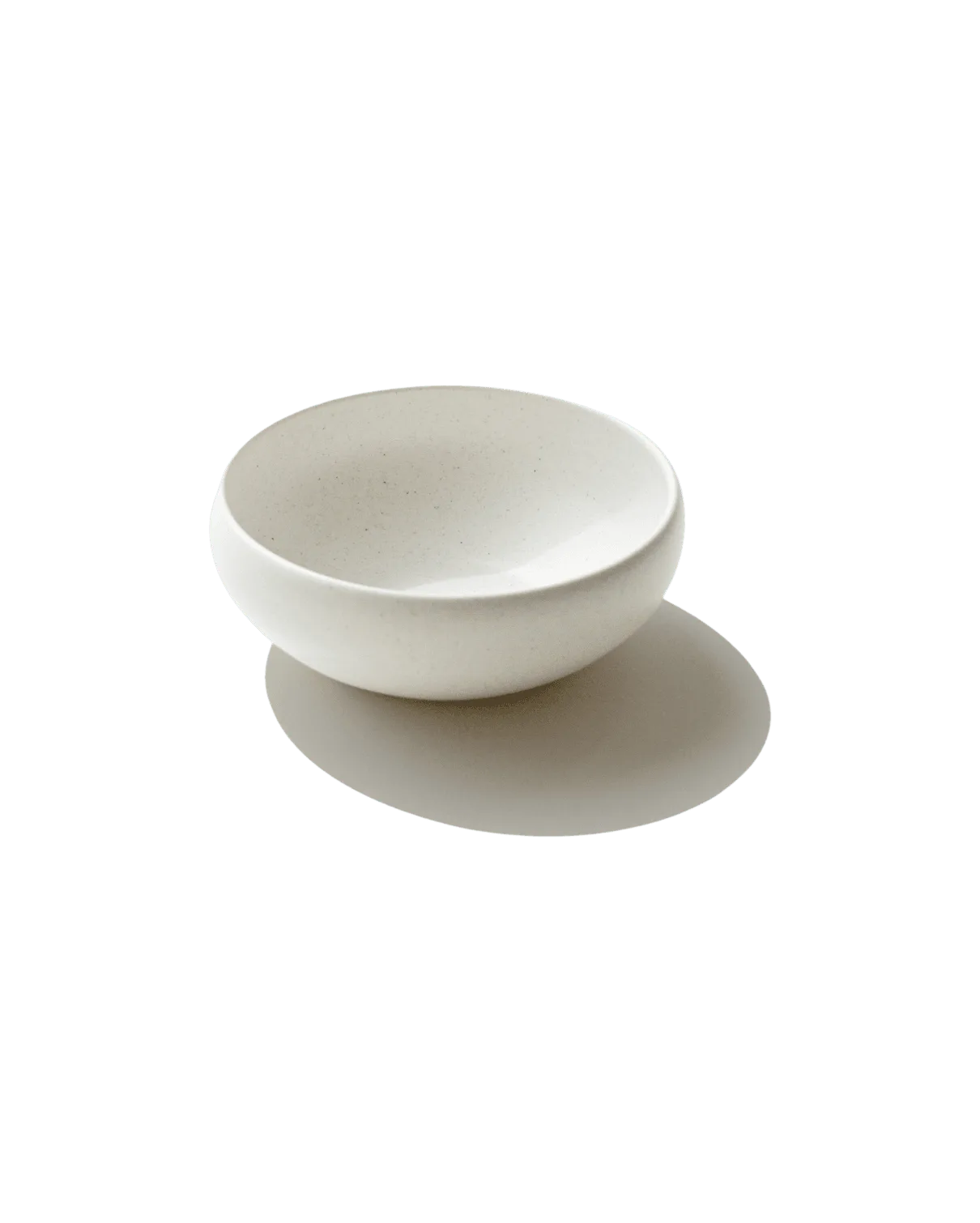
The Medium Goun Bowl
Glass dinnerware is more sensitive to sudden temperature changes. Pouring hot liquid into a cold glass bowl or placing a hot glass plate on a wet counter can cause it to crack. If you regularly serve piping-hot meals or reheat leftovers directly on the plate, ceramic is the safer, more durable choice. Glass works best for cold dishes or room-temperature serving.
- Always check the manufacturer’s temperature guidelines before using any dinnerware in the oven or microwave.
Weight, Stacking, and Everyday Practicality
Ceramic dinnerware tends to be heavier than glass, which gives it a substantial feel on the table but can make stacking and carrying more tiring. If you have limited cabinet space or need to move plates frequently, lighter glass plates are easier to handle. However, ceramic stacks neatly without sliding, and its weight often reduces the chance of plates shifting during storage.
Glass plates are generally thinner and lighter, making them a good choice for casual dining or outdoor meals. But they can feel less premium and may show scratches or cloudiness over time. If you prioritize a solid, long-lasting feel, ceramic is the winner. For everyday lightness and easy handling, glass has an edge.
- Consider how often you’ll lift and move your dinnerware. For heavy daily use, lighter glass may reduce fatigue.
Style and Versatility on the Table
Ceramic dinnerware offers a wider range of textures, glazes, and artisanal finishes that glass cannot replicate. The Dinner Plate Set of 4, for example, comes in warm earthy tones that add depth to any table setting. Ceramic also pairs beautifully with natural linens like The Linen Napkins - Stylux for a cohesive, inviting look.
Glass dinnerware tends to be more uniform and transparent, which can feel modern or minimalist. It works well for layered table settings where you want the food to take center stage. However, glass can look plain next to textured ceramic pieces. For versatility in both casual and formal settings, ceramic gives you more options to express your personal style.
- Mix ceramic plates with glass serving bowls for a balanced, visually interesting table.
If you want dinnerware that resists thermal shock, feels substantial, and offers timeless style, ceramic is the more durable choice for everyday use. Glass is lighter and more impact-resistant, but it can’t match ceramic’s heat tolerance or long-term chip resistance. Consider your cooking habits, storage space, and how much wear you expect, and you’ll find the material that fits your table best.