Quick answer
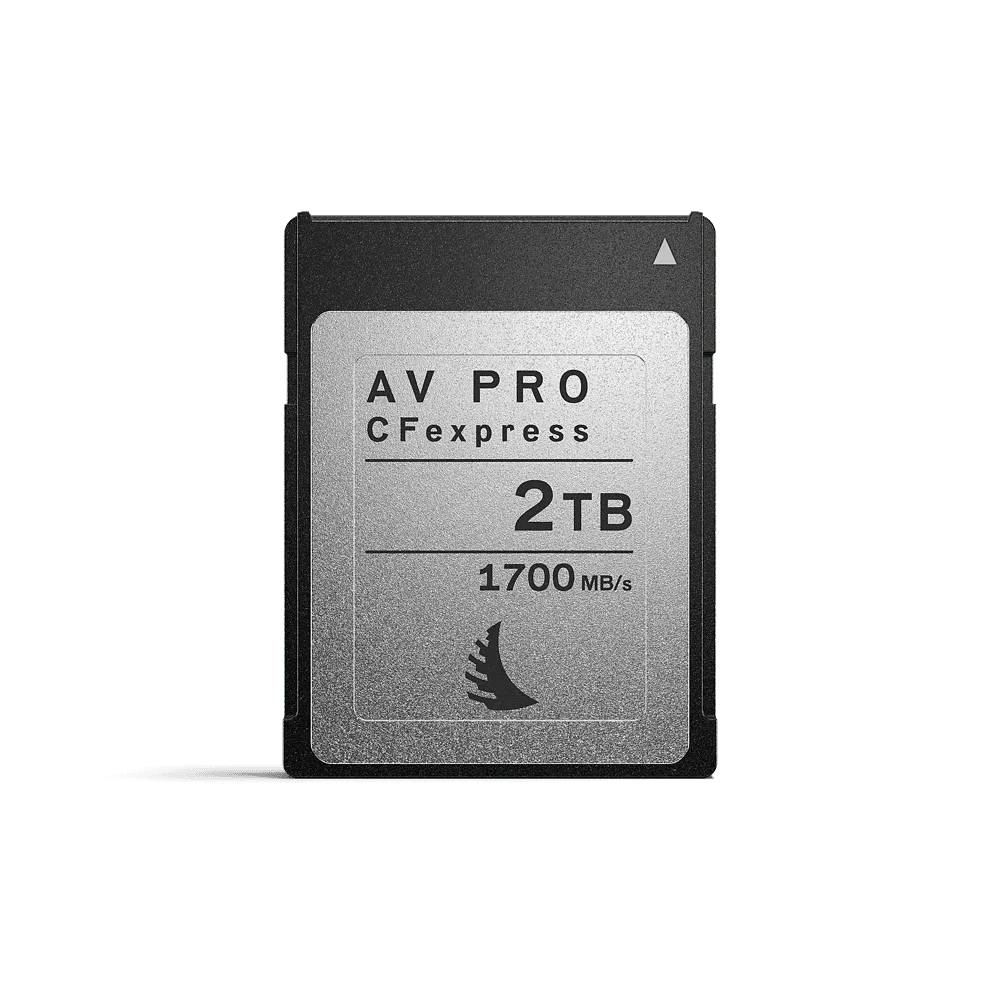
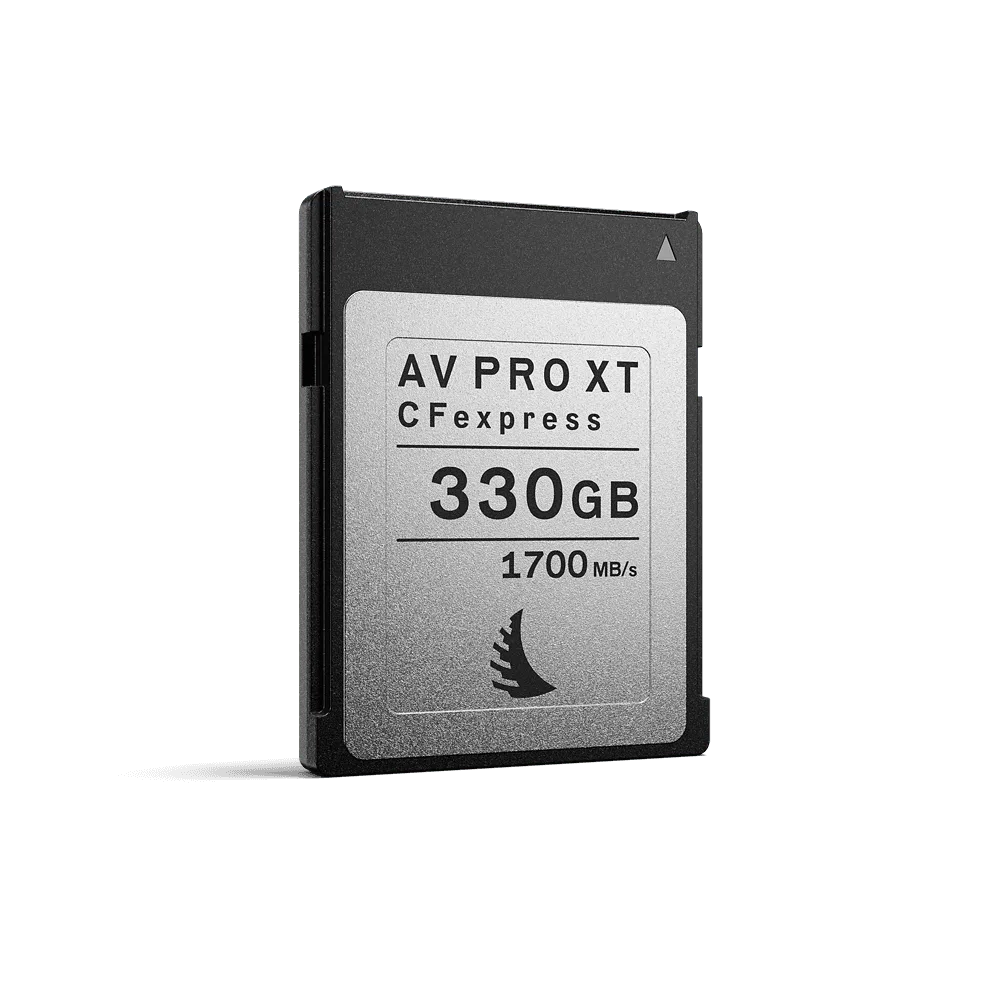
For maximum sustained write speed in demanding RAW video, the AngelBird AV PRO XT 330GB delivers a minimum 1480 MB/s, while the SanDisk Extreme Pro 512GB offers 1400 MB/s write and 1700 MB/s read. The AngelBird AV PRO 2TB prioritizes capacity over raw speed, with a minimum 1000 MB/s write.
Why minimum write speed matters more than peak speed
When recording RAW video or burst stills, a card's sustained minimum write speed determines whether your camera drops frames or stops shooting. Peak speeds (like the 1700 MB/s read on SanDisk cards) are useful for transferring files to your computer, but they don't guarantee smooth in-camera recording. The AngelBird AV PRO XT 330GB is rated with a minimum write speed of 1480 MB/s across the entire capacity, making it a reliable choice for high-bitrate video.
Capacity vs. speed trade-off
Higher-capacity cards often have lower sustained write speeds because managing more NAND flash cells can introduce thermal or controller limitations. The AngelBird AV PRO 2TB has a minimum write speed of 1000 MB/s, which is still fast enough for most 4K and some 6K RAW workflows, but noticeably slower than the 1480 MB/s of the 330GB XT model. If you shoot long sessions without swapping cards, the 2TB is a clear win; if you need the fastest possible write speed, the 330GB XT is the better choice.
Trade-offs at a glance
- AngelBird AV PRO XT 330GB: Minimum 1480 MB/s sustained write. Best for uncompromising RAW video and high-speed bursts. 330GB limits session length.
- SanDisk Extreme Pro 512GB: Max 1400 MB/s write, 1700 MB/s read. Strong all-rounder for RAW 4K video and stills. No minimum write guarantee published. Check your camera's required sustained write speed if you shoot demanding codecs.
- SanDisk Extreme Pro 256GB: Max 1200 MB/s write, 1700 MB/s read. Lower write speed may cause dropped frames in high-bitrate 4K. Good for stills and casual video.
- AngelBird AV PRO 2TB: Minimum 1000 MB/s sustained write. Massive capacity for all-day shoots. Not ideal for the highest-bitrate RAW video. Ideal for documentary or event work where card swaps are impractical.
Product facts
-
SanDIsk Extreme Pro CFexpress Card Type B 512G 1400Mbs W: Max Write Speed: 1400 MB/s, Max Read Speed: 1700 MB/s, 512GB capacity, PCIe 3.0 Bus. Offers a strong balance of capacity and speed for both RAW 4K video and high-speed stills, with fast read speeds for quick file transfers.
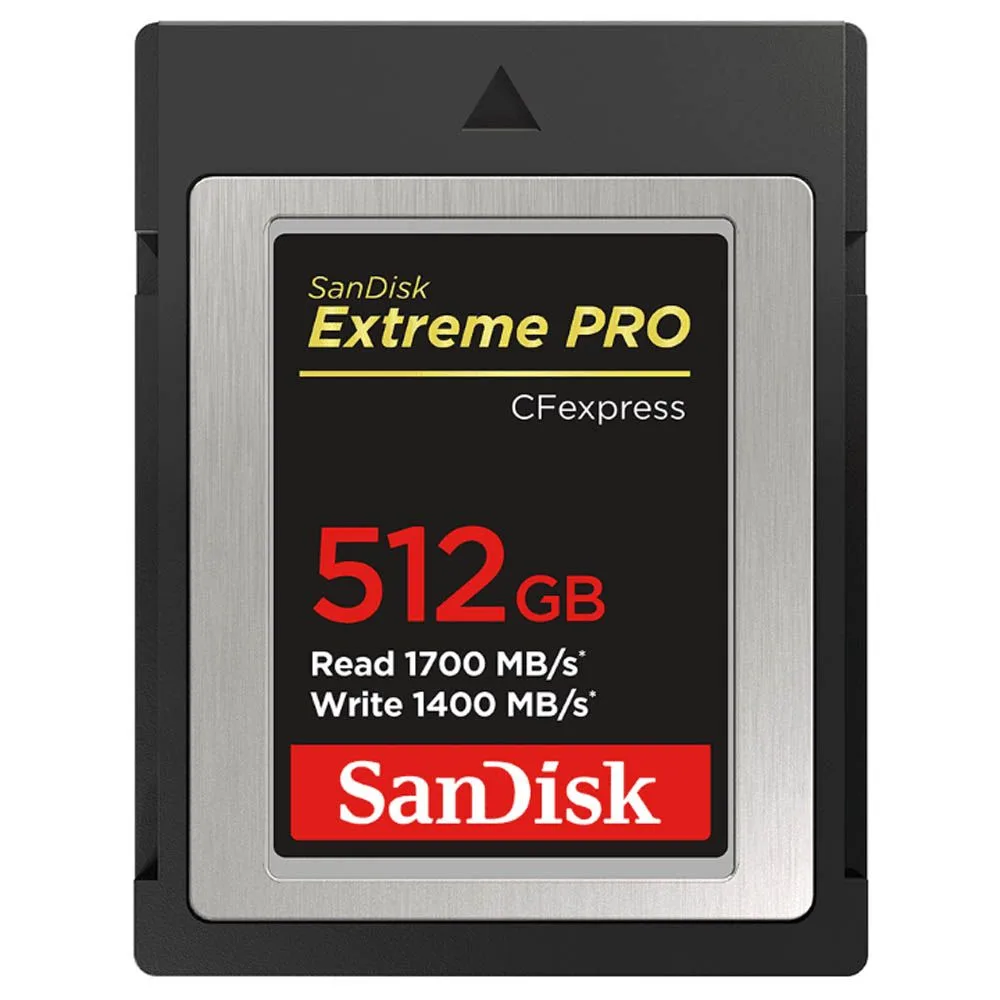
SanDIsk Extreme Pro CFexpress Card Type B 512G 1400Mbs W
-
SanDIsk Extreme Pro CFexpress Card Type B 256G 1200Mbs W: Max Write Speed: 1200 MB/s, Max Read Speed: 1700 MB/s, 256GB capacity, PCIe 3.0 Bus. A more affordable option that still handles RAW 4K video, but the lower write speed may limit burst depth or high-bitrate recording compared to the 512GB model.
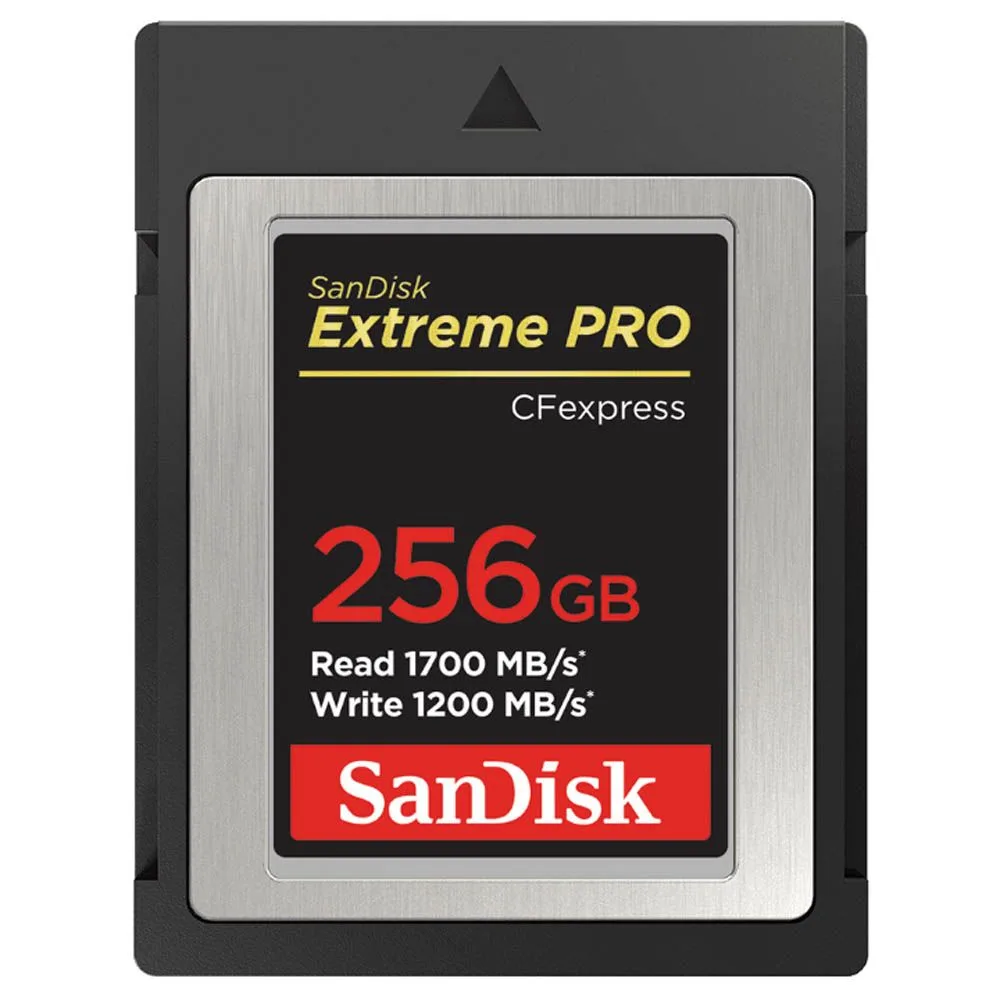
SanDIsk Extreme Pro CFexpress Card Type B 256G 1200Mbs W
-
AngelBird AV PRO XT CFexpress 330GB: Minimum write speed of 1480 MB/s for the entire capacity, 330GB, CFexpress 2.0 Type B. Guarantees consistent high-speed recording without throttling, making it ideal for demanding RAW video and high-frame-rate bursts.
-
AngelBird AV PRO CFexpress 2 TB: Minimum write speed of 1000 MB/s, 2TB capacity, highest capacity CFexpress 2.0 Type B available. Provides the most recording time without swapping cards, but the lower minimum write speed may not suit the most extreme video codecs.
Which card fits your workflow?
Best for
- Shooters who need maximum sustained write speed for RAW video (choose AngelBird AV PRO XT 330GB)
- Photographers who want a balance of speed and capacity (choose SanDisk Extreme Pro 512GB)
Not ideal for
- Long-duration shoots requiring minimal card changes (consider AngelBird AV PRO 2TB instead)
- Budget-conscious buyers who shoot mostly stills (consider SanDisk Extreme Pro 256GB)