Quick answer
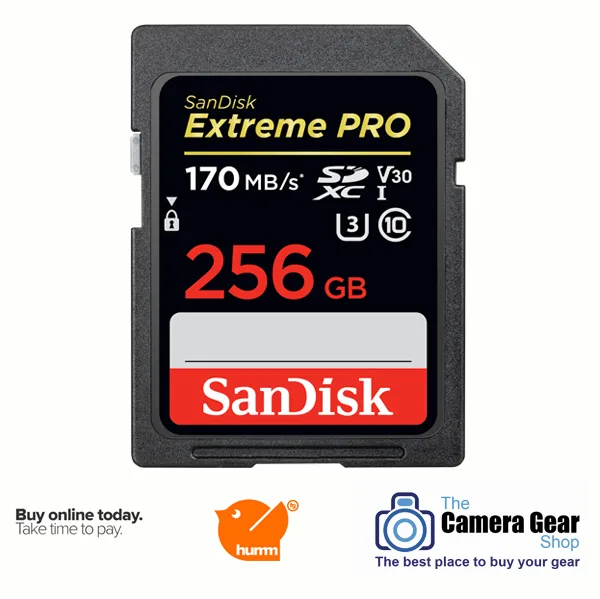
Buy the card format your camera's slot was built for; adapters rarely solve a mismatch. CFexpress Type B is the modern high-speed choice for recent mirrorless and cinema bodies, CFast 2.0 suits many older cinema cameras, and CompactFlash remains relevant only for legacy DSLRs. If you shoot a current Nikon Z body, a CFexpress Type B card is usually the right pick, while a UHS-I SD card like the SanDisk Extreme Pro 256GB can handle 4K UHD in many DSLR and mirrorless cameras.
What actually separates these three formats
The names sound similar, but the physical cards and the interfaces behind them are different. CompactFlash is the oldest of the three and uses a parallel interface; CFast moved to a SATA-based interface; CFexpress Type B uses PCIe and NVMe. In practice, that means a CFexpress Type B card can move far more data than a CompactFlash card, which matters for high-resolution bursts and high-bitrate video. The trade-off is that CFexpress cards and readers cost more, and older cameras cannot use them at all.
CFast sits between the two. It was widely adopted in cinema cameras that needed faster sustained writes than CompactFlash could deliver, but it has largely been superseded by CFexpress in newer bodies. If you own a cinema camera with a CFast slot, you are locked into CFast media; if you are buying a new camera today, CFexpress is the more future-facing format.
- CompactFlash: legacy DSLRs, modest write speeds, widely available but aging.
- CFast 2.0: many older cinema cameras, faster than CompactFlash, now niche.
- CFexpress Type B: current mirrorless and cinema bodies, highest throughput, highest cost.
How to check which card your camera takes
Before comparing speeds, confirm the slot. Camera manuals and spec sheets list the exact media type, and the card will not fit if you guess wrong. Some cameras have dual slots with different formats, so you may be able to pair a fast CFexpress card for video with an SD card for stills. That is often the most practical setup because it keeps a backup card in the camera without buying two expensive cards.
If your camera takes SD cards, you do not need to choose between CFexpress, CFast, and CompactFlash at all. A UHS-I U3 card such as the SanDisk Extreme Pro 256GB SDXC is rated for stutter-free 4K UHD capture and is a simpler, lower-cost option for many DSLR and mirrorless shooters.
Speed in practice: what the numbers mean for your shooting
Card speed only helps if the camera can use it. A CFexpress Type B card in a compatible body clears the buffer faster during continuous bursts and supports sustained high-bitrate video. The same card in an older CompactFlash slot is physically impossible, so the comparison is not about which card is faster in isolation but which card your camera can actually address.
For 4K UHD video, a U3-rated SD card is often enough. The SanDisk Extreme Pro 256GB SDXC offers shot speeds up to 90MB/s and UHS Speed Class 3, which the catalog lists as ready for high-resolution, stutter-free 4K UHD video. That makes it a sensible choice for DSLR and mirrorless shooters who do not need CFexpress-level throughput.
Trade-offs at a glance
- CFexpress Type B: Highest throughput and best for high-bitrate video and deep bursts, but the most expensive cards and readers, and only works in newer cameras. Choose this if your camera has a CFexpress Type B slot and you shoot demanding video or action.
- CFast 2.0: Faster than CompactFlash and common in older cinema cameras, but now a niche format with fewer new cameras adopting it. Choose this only if your existing cinema camera requires CFast.
- CompactFlash: Cheap and widely available for legacy DSLRs, but slow by modern standards and not usable in current mirrorless bodies. Choose this only to keep an older DSLR running, not for new purchases.
- SD UHS-I U3: Not part of the CF family, but often the right answer for DSLR and mirrorless cameras that take SD cards, including 4K UHD shooting. Check your slot first; if it is SD, a U3 card like the SanDisk Extreme Pro 256GB is usually enough.
Cards and cameras worth pairing
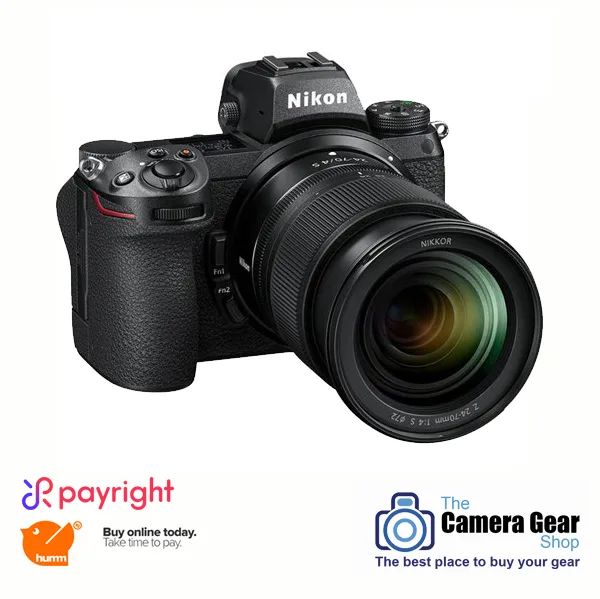
- Nikon Z 6II 24-70mm f4 Lens Kit: Nikon Z 6II 24-70mm f4 Lens Kit: 24.5MP FX-format sensor, 4K UHD video, Dual EXPEED 6 processors. A current Z-series body benefits from fast CFexpress Type B media for bursts and video, so budget for a CFexpress card alongside the kit.
- SanDisk Extreme Pro 256GB SDXC UHS-I: SanDisk Extreme Pro 256GB SDXC UHS-I: shot speeds up to 90MB/s, UHS Speed Class 3 (U3), rated for 4K UHD video. A practical, lower-cost card for DSLR and mirrorless cameras that take SD cards and shoot 4K UHD.
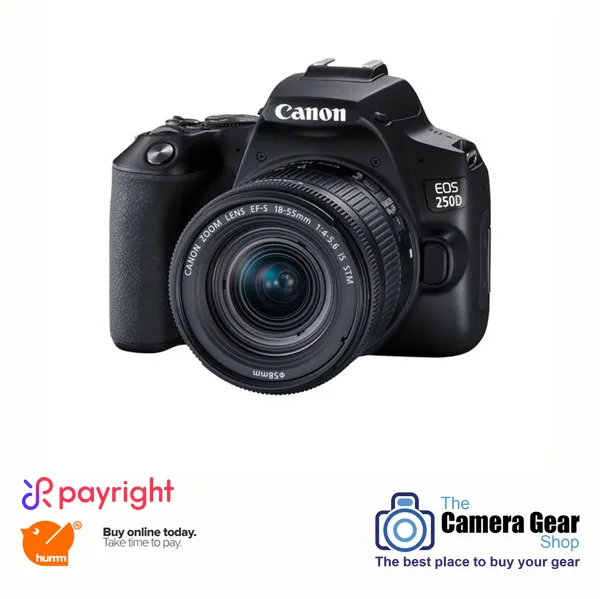
- Canon EOS 250D Mkii w/EF-S 18-55mm f/4-5.6 IS STM Lens: Canon EOS 250D Mkii w/EF-S 18-55mm f/4-5.6 IS STM Lens: Canon's lightest DSLR, with Creative Assist for learning as you shoot. An entry-level DSLR like this pairs with SD media, so CompactFlash or CFexpress is unnecessary unless you move to a higher-tier body.
Which card should you buy?
Best for
- Nikon Z 6II or similar current mirrorless shooters who need fast buffer clearing and high-bitrate video (CFexpress Type B)
- Cinema camera owners whose camera specifies CFast 2.0 media
- DSLR and mirrorless shooters with SD slots who shoot 4K UHD and want a reliable, lower-cost card (SanDisk Extreme Pro 256GB SDXC)
Not for
- Beginners with an entry-level DSLR like the Canon EOS 250D Mkii who only need SD media
- Anyone hoping an adapter will let a CompactFlash camera use CFexpress cards
- Shoppers who have not confirmed their camera's exact card slot