Quick Answer
For sleep, chamomile is the better choice because it is traditionally used to promote relaxation and calmness. Peppermint tea is caffeine-free too, but its refreshing and cooling flavor is more suited for digestion and soothing an upset stomach than for winding down at night. If you want a gentle, soothing bedtime ritual, choose chamomile; if you need digestive comfort, peppermint is a great pick.
When you're looking for a caffeine-free herbal tea to sip before bed, chamomile and peppermint are two of the most popular options. Both are naturally free of caffeine, but they offer different benefits and flavors. Understanding these differences can help you pick the one that matches your evening needs.
In this comparison, we'll look at what each tea is known for, how they taste, and which one is more likely to help you sleep. We'll also mention a couple of products from LOVE TEA that fit each purpose, so you can find a convenient option for your nightly routine.
Chamomile Tea: The Classic Bedtime Soother
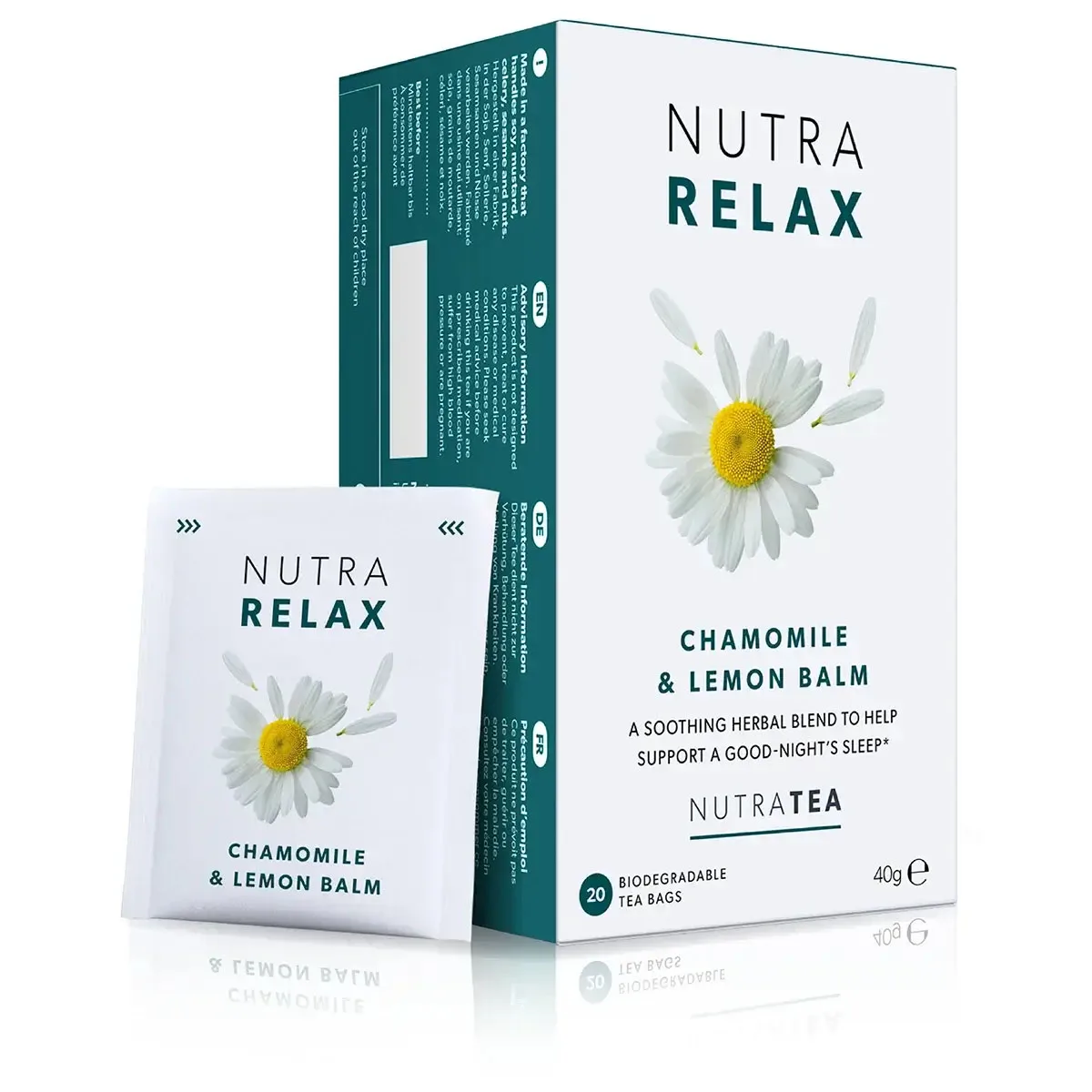
Chamomile tea has been used for centuries as a natural remedy for relaxation and sleep. Its gentle, apple-like flavor and calming aroma make it a favorite evening drink. Many people find that a warm cup of chamomile helps signal to their body that it's time to wind down.
While chamomile is not a sedative, its soothing properties can help reduce stress and promote a sense of calm, which is often the first step toward falling asleep. If you struggle with racing thoughts or tension at the end of the day, chamomile's mild, comforting profile may be more effective than a minty tea.
- Choose chamomile if you want a floral, soothing tea that supports relaxation.
Peppermint Tea: A Refreshing Digestive Aid
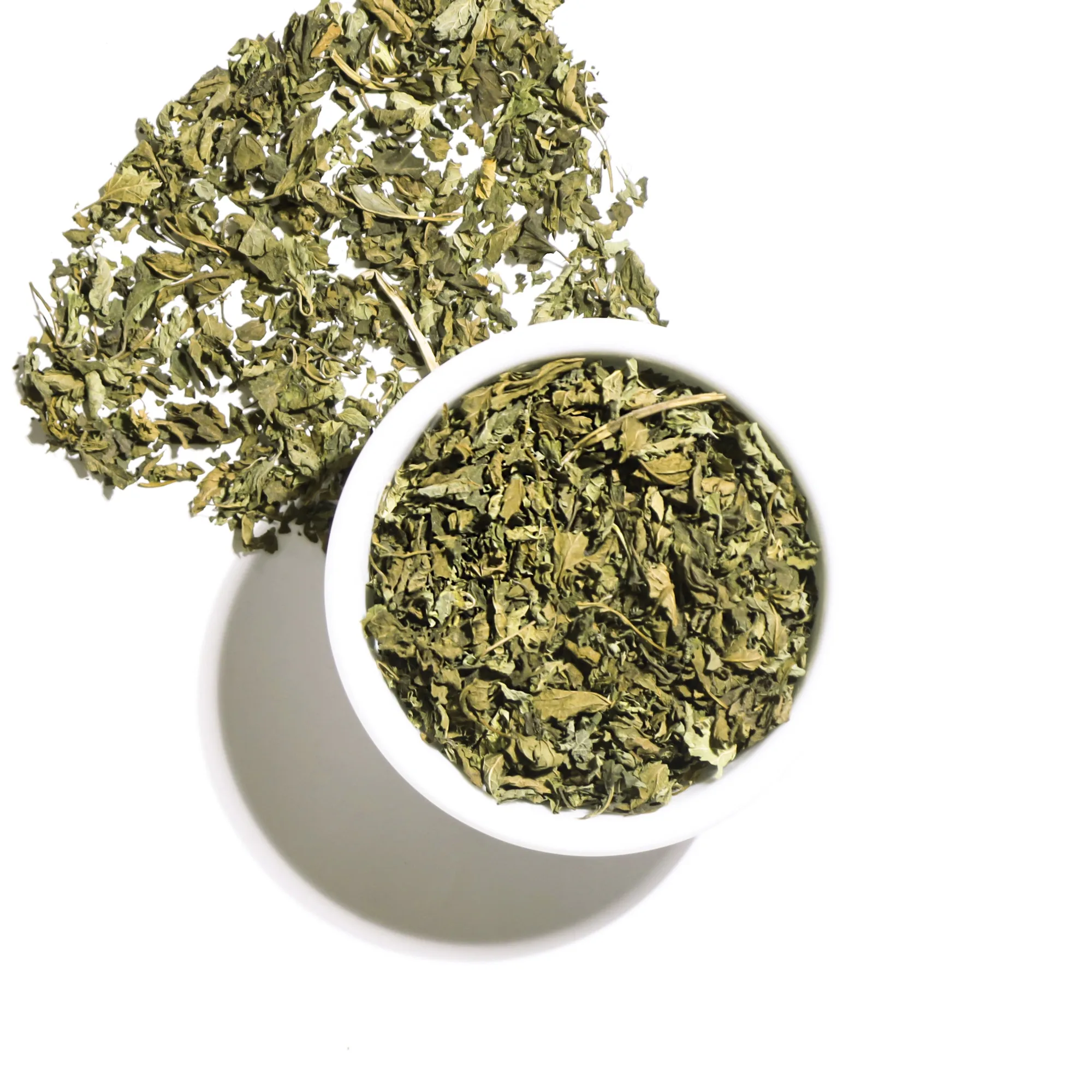
Peppermint tea is known for its refreshing, cooling taste and its long history of use for digestive issues. The menthol in peppermint can help calm an upset stomach, reduce bloating, and ease indigestion, making it a great after-dinner drink.
However, peppermint's invigorating flavor might not be the best match for bedtime. While it is caffeine-free, its cooling and stimulating sensation can feel more awakening than calming, especially if you're sensitive to strong minty flavors. If you often eat late or need digestive support before bed, peppermint could still be a good choice, but for pure sleep support, chamomile is usually the winner.
- Reach for peppermint when you need digestive comfort, not necessarily sleep support.
Comparing Their Sleep Benefits
When it comes to sleep, the key is how each tea makes you feel. Chamomile is traditionally associated with relaxation and is often recommended for bedtime. Its mild, soothing nature helps create a calm ritual that can prepare your mind and body for rest.
Peppermint, on the other hand, is more about refreshing and cooling. It can help you feel comfortable if you have an upset stomach, but it doesn't have the same reputation for promoting sleep. If you're sensitive to strong flavors or find that mint keeps you alert, chamomile is the safer bet for a bedtime brew.
The Trade-Off: Relaxation vs. Digestion
- For sleep support: Chamomile is the traditional choice for promoting calm and relaxation. Its gentle flavor helps create a soothing bedtime ritual. Choose chamomile if your main goal is to wind down and fall asleep.
- For digestive comfort: Peppermint is excellent for soothing an upset stomach, reducing bloating, and easing indigestion, especially after a heavy meal. Choose peppermint if you need digestive relief, even in the evening.
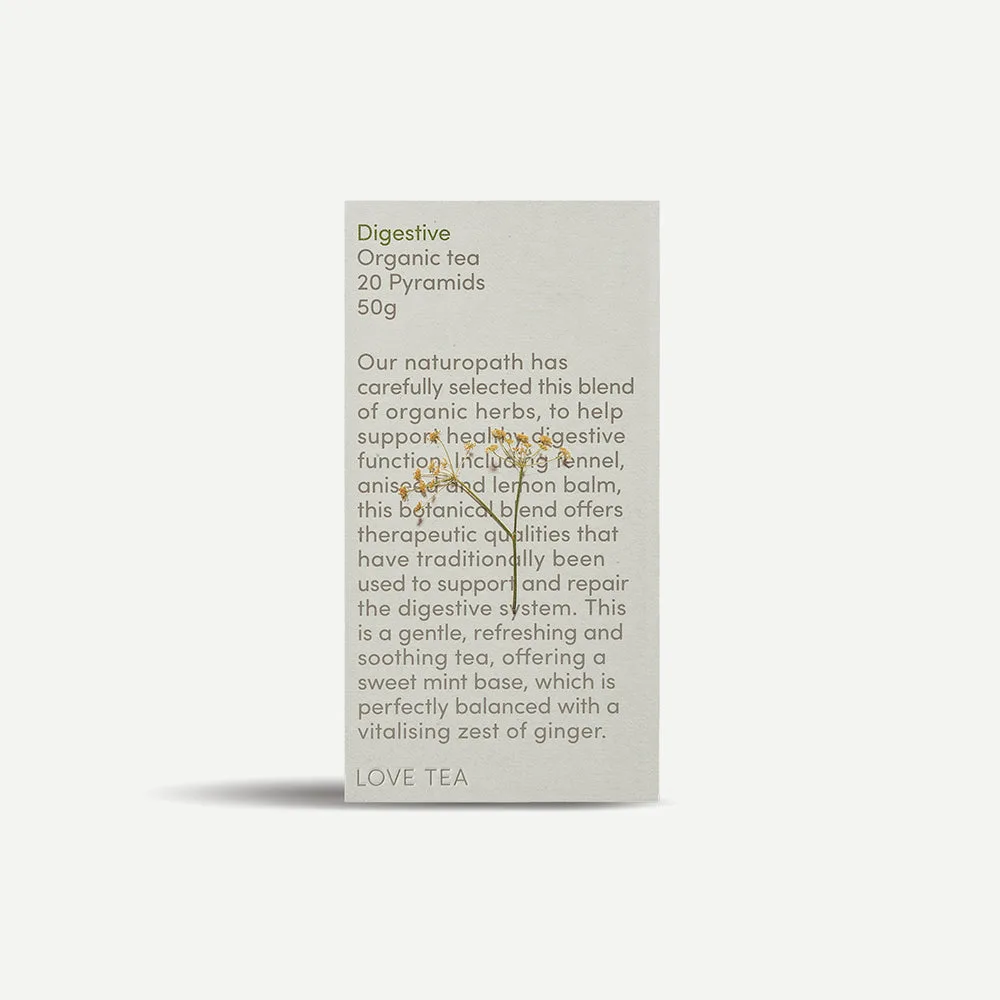
- For a compromise: If you want both digestive support and a soothing cup, a blend like Digestive Pyramid Tea Bags offers a sweet mint base with calming herbs like lemon balm. Consider a blend that combines mint with relaxing botanicals.
Products to Consider
- Digestive Pyramid Tea Bags: Our naturopath has carefully selected this blend of organic herbs, to help support healthy digestive function. Including fennel, aniseed and lemon balm, this botanical blend offers therapeutic qualities that have traditionally been used to support and repair the digestive system. This is a gentle, refreshing and soothing tea, offering a sweet mint base, which is perfectly balanced with a vitalising zest of... If you want a digestive-friendly tea that is also soothing, this blend offers a sweet mint base that may be gentler than pure peppermint while still supporting digestion.
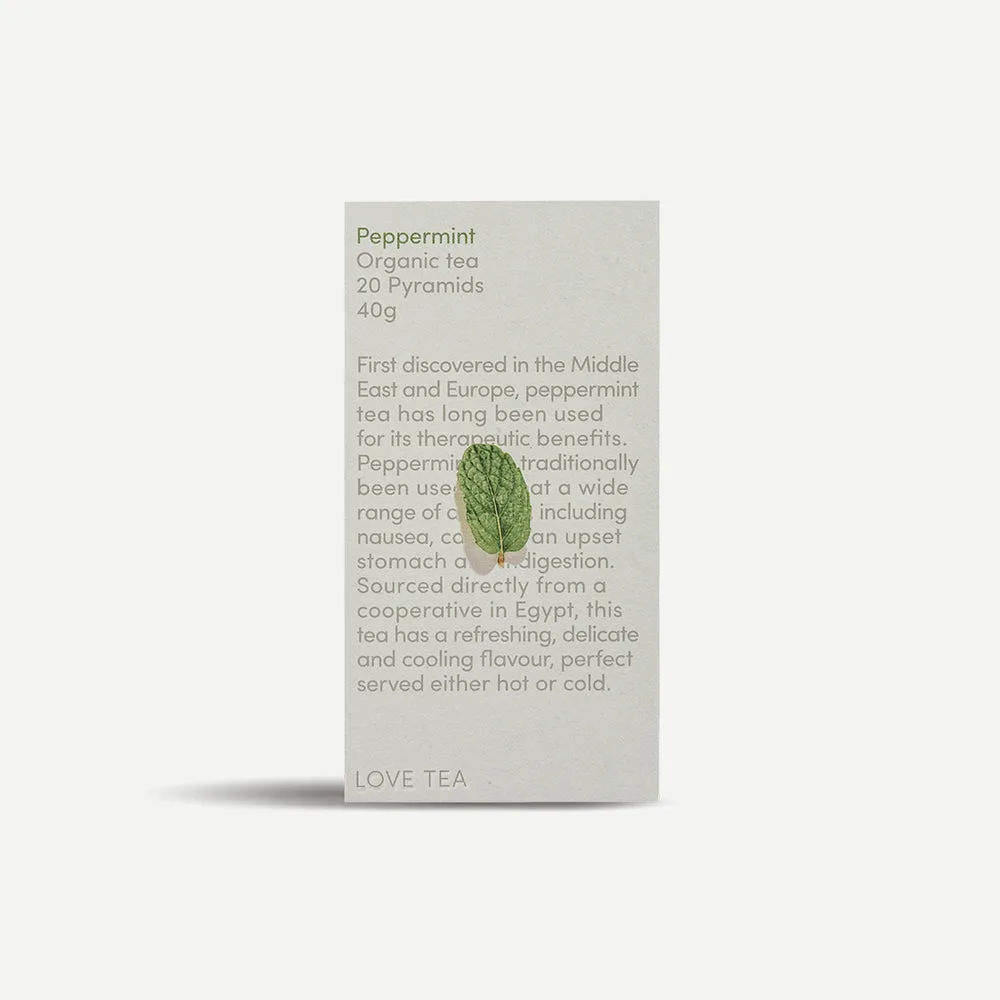
- Peppermint Pyramid Tea Bags: First discovered in the Middle East and Europe, peppermint tea has long been used for its therapeutic benefits. Peppermint has traditionally been used to treat a wide range of ailments, including nausea, calming an upset stomach and indigestion. Sourced directly from a cooperative in Egypt, this tea has a refreshing, delicate and cooling flavour, perfect served either hot or cold. This blend is caffeine free. This is a classic peppermint tea that is caffeine-free and great for after meals, but its cooling flavor may not be as sleep-inducing as chamomile.
Which One Should You Choose?
Best for
- People who struggle to relax or fall asleep and want a gentle, calming bedtime tea.
- Those who prefer a mild, floral flavor without a strong minty kick.
Not for
- People who need digestive relief before bed and don't mind a refreshing, cooling flavor.
- Those who are sensitive to strong mint flavors and find them too stimulating at night.
Both chamomile and peppermint tea are caffeine-free and can be part of a healthy evening routine, but they serve different purposes. If sleep is your priority, chamomile is the better choice. If you need digestive comfort, peppermint is a great option. For a middle ground, consider a blend that combines soothing herbs with a hint of mint. Ultimately, the best tea is the one that helps you feel your best before bed.