Quick answer
Look for a changing mat that is safe (non-toxic, hypo-allergenic), comfortable for your baby, easy to clean, and fits your changing space. Foam mats are lightweight and portable; PU foam mats offer more durability and a seamless surface.
Safety and materials matter most
Your baby’s skin is sensitive, so the mat’s materials should be non-toxic and hypo-allergenic. Foam changing mats often use CMHR (Combustion Modified High Resilience) foam and phthalate-free PVC, which resist bacteria and are safer for your baby. PU foam mats are also a popular choice because they are seamless and easy to wipe clean, reducing the risk of mould or bacteria buildup.
Portability vs. durability: a trade-off
If you change nappies on the go, a lightweight foam mat is easy to carry and store. However, these mats may not last as long as a thicker PU foam mat, which is more durable and often includes safety straps for use on a changing table, floor, or cot bed. Decide which factor matters more for your lifestyle.
Cleaning and maintenance
A mat that wipes clean in seconds saves time and hassle. Seamless PU foam mats are especially easy to clean because there are no crevices for dirt or spills to hide. Foam mats with a PVC cover also clean up well, but you should check if the cover is removable and machine washable for deeper cleaning.
Decision rules for choosing a changing mat
- Safety first: Check that the mat is hypo-allergenic, non-toxic, and phthalate-free. Look for materials like CMHR foam and baby-safe inks. Avoid mats with strong chemical smells or unknown materials.
- Comfort and cushioning: A mat with soft foam padding (e.g., CMHR 25 density foam) provides a gentle surface for your baby. Raised edges add security and prevent rolling. Test the cushioning by pressing on the mat; it should be firm yet soft.
- Ease of cleaning: Seamless PU foam mats wipe clean easily. PVC-covered foam mats are also easy to clean but check if the cover is removable for machine washing. Choose a mat that can be wiped down in seconds to save time.
- Portability and storage: Lightweight foam mats are easy to fold or roll for travel. Larger PU foam mats are heavier but more stable for home use. If you travel often, a compact foam mat is more practical.
- Fit and safety features: Ensure the mat fits your changing table, floor, or cot bed. Built-in safety straps are essential if using on a raised surface. Measure your changing area before buying.
Product facts
-
Callowesse Soft Foam Baby Changing Mat - One Black Sheep: Hypo-allergenic and eco-friendly, made with CMHR 25 density foam and non-toxic, phthalate-free PVC. This means the mat is safe for sensitive baby skin and free from common harmful chemicals, giving you peace of mind during every change.
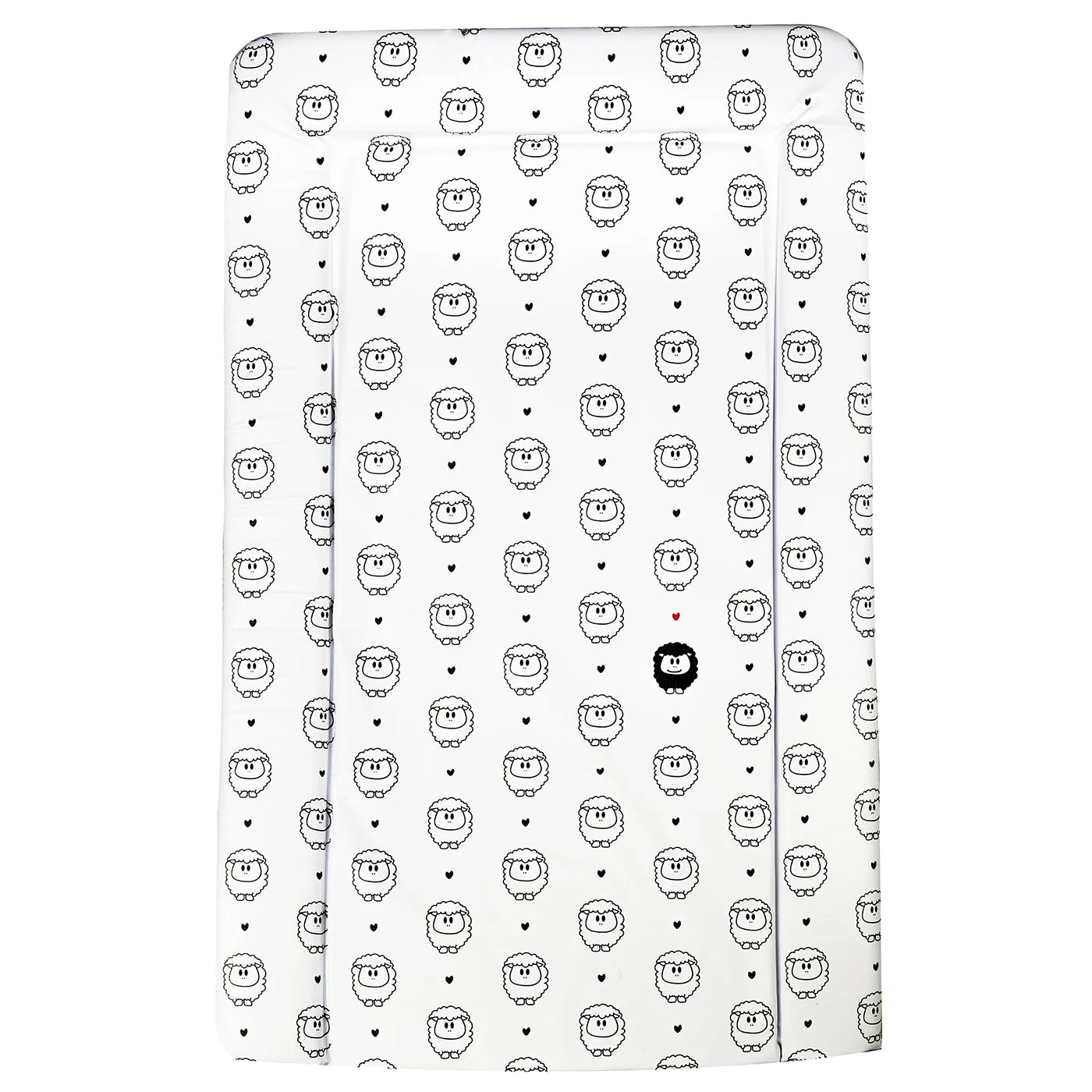
Callowesse Soft Foam Baby Changing Mat - One Black Sheep
-
Tutti Bambini Cushi Universal Baby Changing Mat - Cloud: Seamless, cushioned design crafted from high-quality PU foam for enhanced durability and easy cleaning. The seamless surface prevents dirt and bacteria from getting trapped, making it very easy to wipe clean after each use.
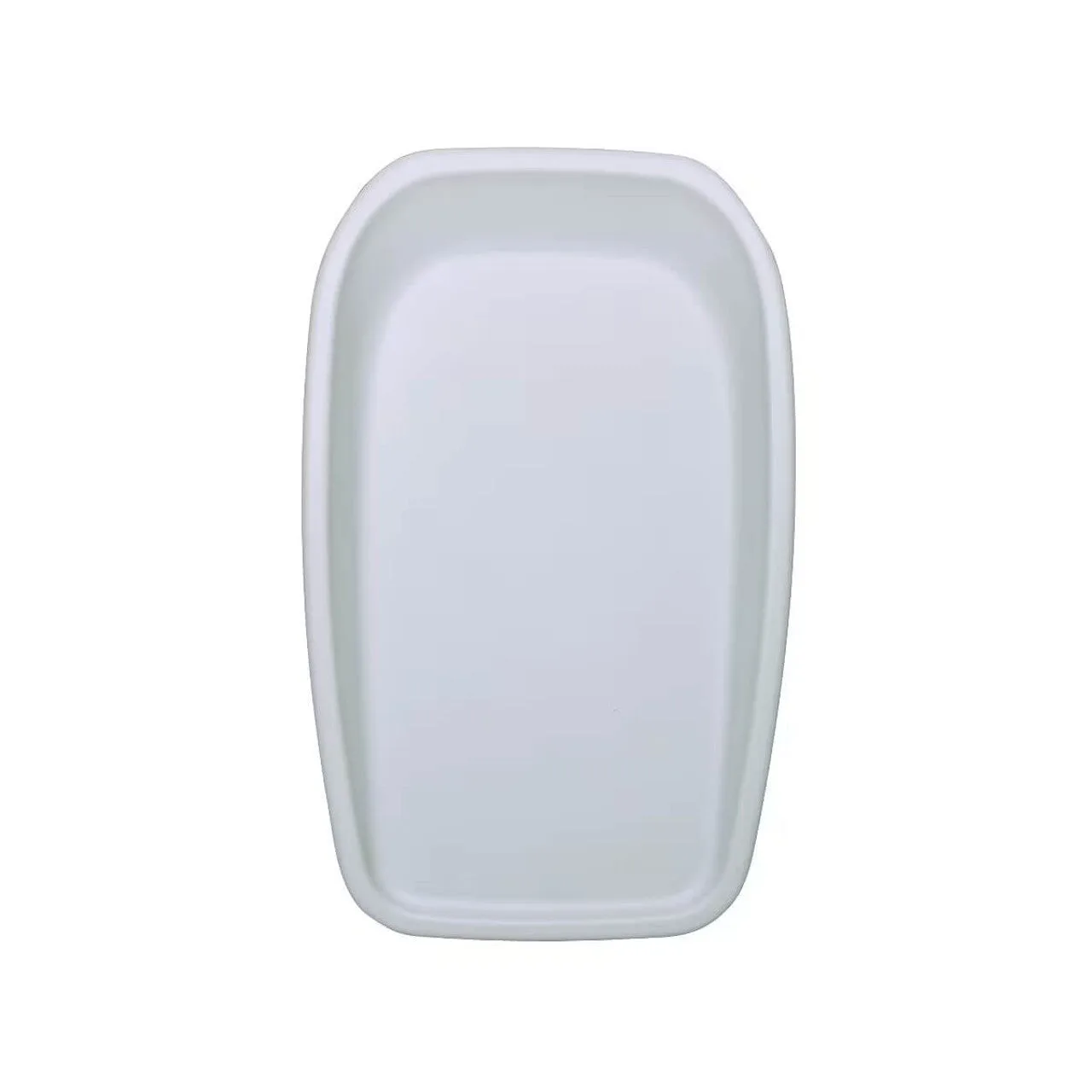
Tutti Bambini Cushi Universal Baby Changing Mat - Cloud
Who should choose which type?
Best for
- Parents who change nappies on the go and need a lightweight, portable mat
- Parents who want a budget-friendly, hypo-allergenic option for home or travel
Not for
- Parents who need a very durable, long-lasting mat for daily heavy use at home
- Parents who prefer a seamless, easy-to-clean surface without any crevices