Quick answer
Charcoal citrus deodorant offers effective odor control with natural ingredients, but it may not suit everyone. Compare it with other natural alternatives to find your best match.
Why compare natural deodorants?
Natural deodorants avoid aluminum and synthetic chemicals, but they vary in ingredients, scent, and effectiveness. Understanding the differences helps you choose one that works for your body chemistry and lifestyle.
Trade-offs at a glance
- Charcoal citrus deodorant: Uses activated charcoal to absorb odors and citrus oils for a refreshing scent. The biodegradable packaging is eco-friendly, but the scent may fade faster than synthetic options. Best for those who prioritize eco-friendly packaging and prefer a light, natural citrus scent.
- Baking soda-based natural deodorant: Often more effective at neutralizing strong odors due to baking soda's alkalinity. However, it can irritate sensitive skin or cause redness. Works well for heavy sweaters but may not suit sensitive skin types.
- Coconut oil-based deodorant: Moisturizing and gentle, with natural antimicrobial properties. It may feel greasy in hot weather and might not provide all-day odor control for everyone. Ideal for dry or sensitive skin, but less effective in humid climates.
Product facts
-
Charcoal Citrus Deodorant: Comes in a 2.75 oz eco-friendly biodegradable paperboard tube with coconut oil, arrowroot powder, and citrus essential oils. The paperboard tube reduces plastic waste, and the citrus oils provide a fresh scent while arrowroot powder helps absorb moisture.
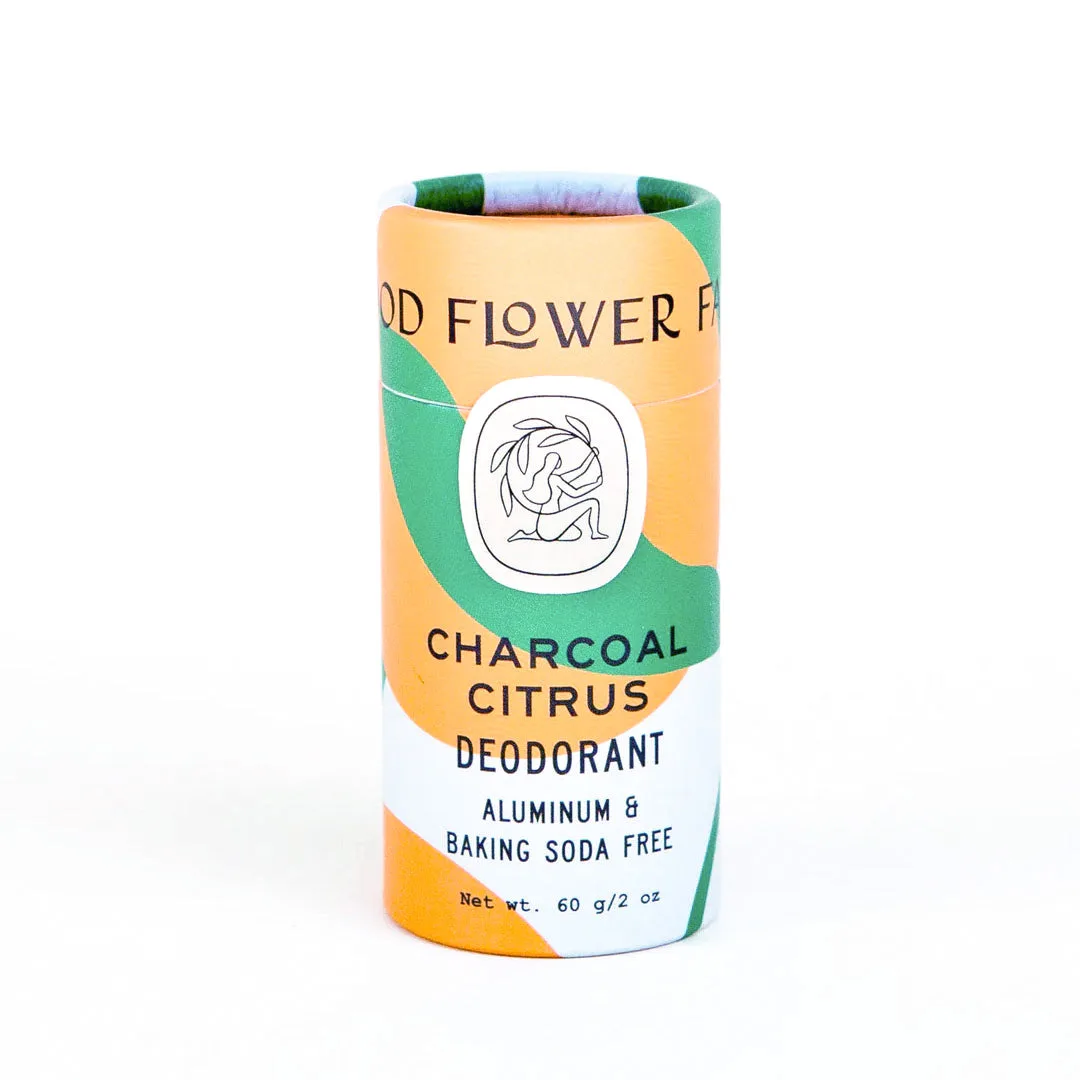
Charcoal Citrus Deodorant
Which one is right for you?
Best for
- Eco-conscious users who want biodegradable packaging
- People who prefer a light citrus scent without heavy perfumes
Not for
- Those who need strong, long-lasting odor control without reapplication
- Individuals with very sensitive skin who react to essential oils