Charcoal vs. Clay: Two Approaches to a Deep Clean
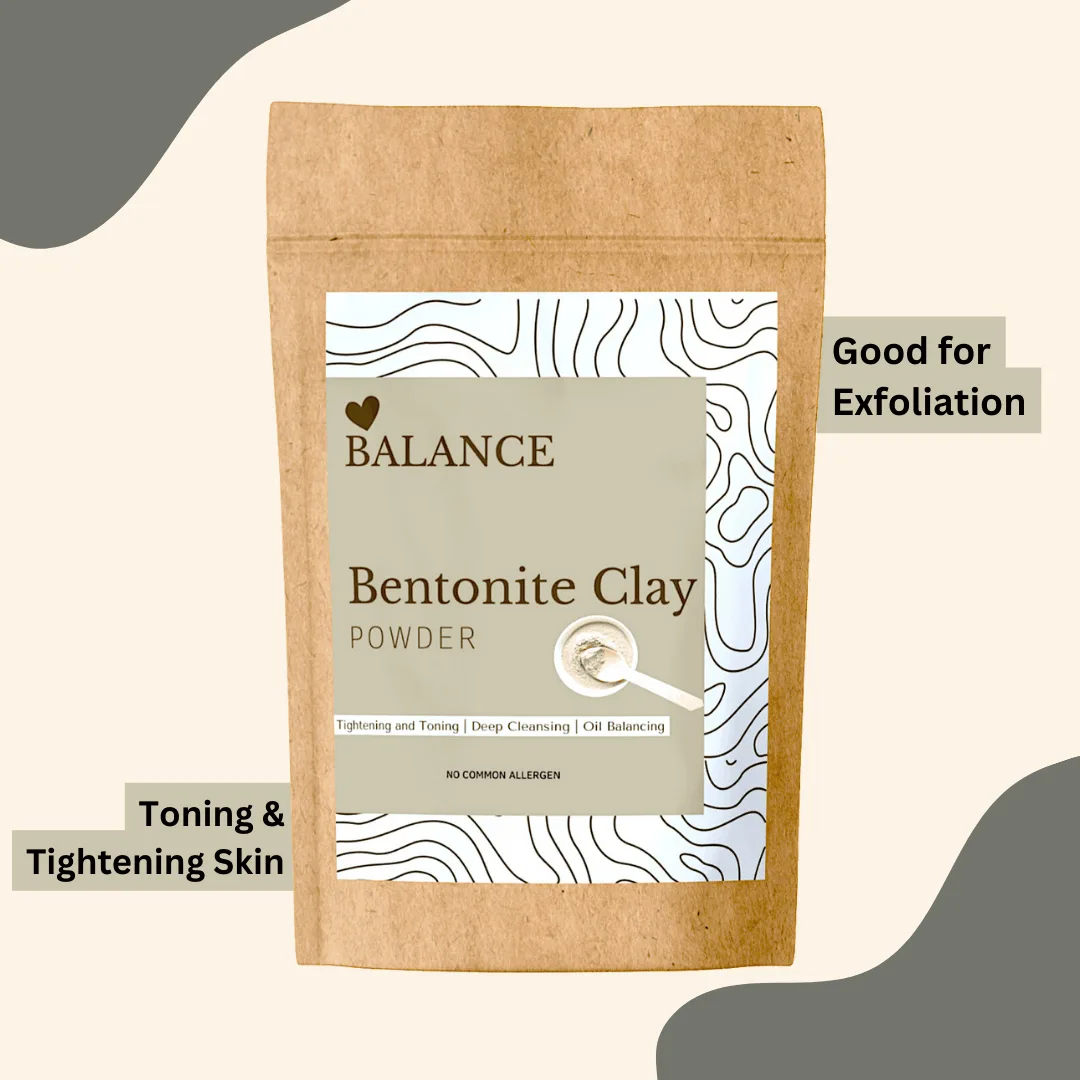
When you want a deep clean, the choice often comes down to a charcoal face mask or a clay mask. Both are known for drawing out impurities, but they work differently. A clay mask typically absorbs oil with minerals like kaolin or bentonite. A charcoal face mask, on the other hand, uses activated charcoal to pull debris from pores. Which one fits your skin better depends on your specific needs and how your skin reacts to each ingredient.
What the Charcoal Face Mask Offers
-
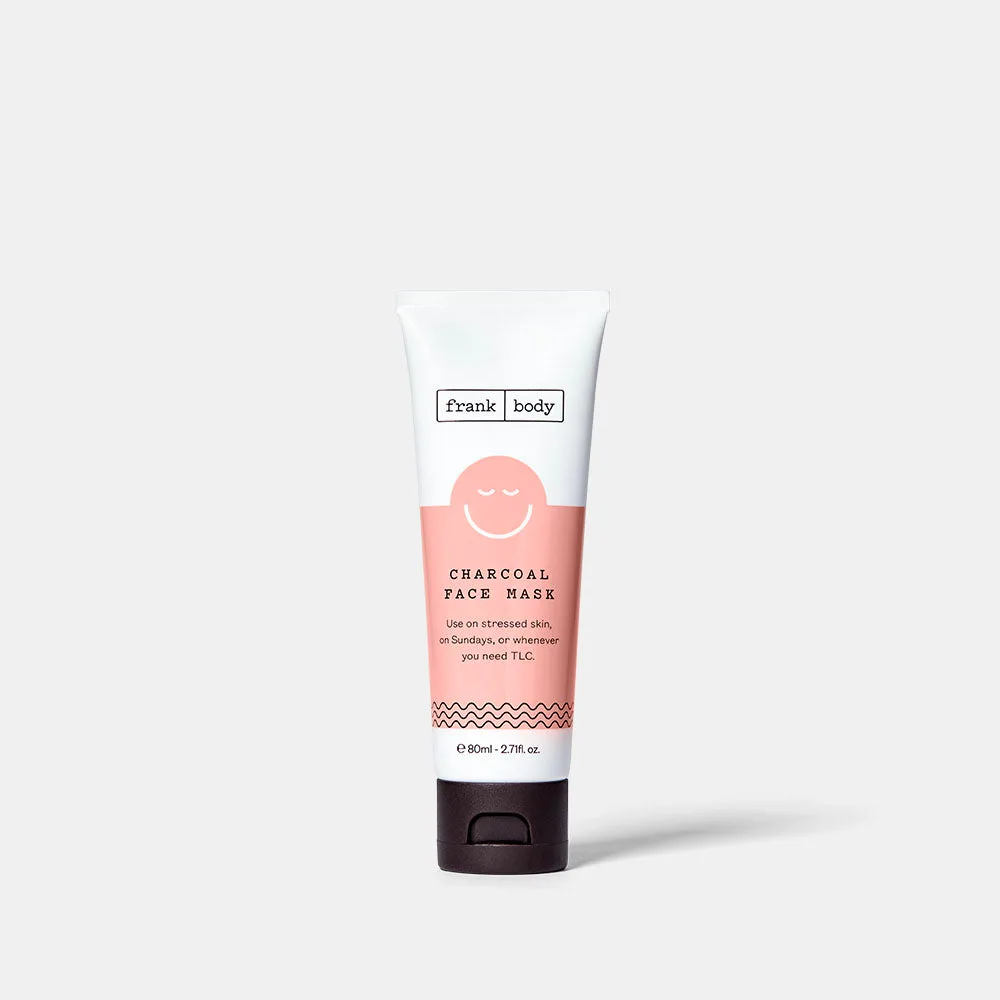
Charcoal Face Mask: Made with soothing chamomile, honey, and lavender, plus clearing charcoal and smoothing evening primrose oil. The combination of calming ingredients with charcoal means this mask aims to clear pores without the irritation some clay masks can cause.
Charcoal Face Mask
-
Charcoal Face Mask: After cleansing, leave on for 15 minutes, then rinse off. The 15-minute wear time is a standard deep-cleansing duration, making it easy to fit into a routine.
-
Charcoal Face Mask: Described as working on acne, irritation, and pores. This suggests a focus on multiple skin concerns, not just oil absorption, which may suit combination or sensitive skin types.
Key Differences in Ingredients and Feel
Clay masks often dry down and tighten on the skin as they absorb oil. This can feel satisfying for oily skin but may be too drying for others. The charcoal face mask includes honey and evening primrose oil, which add moisture and soothing properties. Chamomile and lavender further calm the skin, making it a gentler option for those who find clay masks too harsh. If your skin tends to get red or irritated after a clay mask, a charcoal face mask with added botanicals might be a better fit.
Choosing the Right Mask for Your Skin
For very oily or acne-prone skin that tolerates drying ingredients, a clay mask may still be effective. But if you want deep cleansing without stripping moisture, the charcoal face mask offers a balanced approach. Its ingredients target clogged pores while supporting the skin barrier with soothing components. As with any mask, patch test first if you have sensitive skin, and follow the instructions: apply after cleansing, leave on for the recommended time, then rinse.