Quick Answer
Choose the Hario V60 if you want a fast, single-cup pour over with more control over flavor and a lower entry cost. Choose the Chemex if you regularly brew for two to four people and prefer a cleaner, lighter-bodied cup with simpler cleanup. Both are excellent brewers, so the real decision comes down to serving size, filter style, and how much attention you want to give each pour.
Most pour over debates are not about which brewer is better. They are about which brewer fits the way you actually make coffee. Chemex and Hario V60 both produce a clean, sediment-free cup, but they get there through different filter shapes, different flow rates, and different brewing rhythms.
This comparison looks at the trade-offs that matter day to day: how many cups you can brew at once, how the filter changes the taste, how forgiving each method is when you are half awake, and what accessories you will want alongside them.
How the Two Brewers Differ in the Cup
The Chemex uses a thick bonded paper filter that traps more oils and fine particles, which tends to produce a lighter-bodied, tea-like cup with pronounced clarity. The Hario V60 uses a thinner, cone-shaped paper filter with a single large hole at the base, so water moves faster and more oils reach the cup. The result is usually a fuller body and a more textured mouthfeel.
Neither style is objectively better. If you drink light-roast coffees and want to taste distinct fruit or floral notes, the Chemex filter can make those flavors easier to pick out. If you prefer a rounder, sweeter cup with more weight, the V60 often delivers that with less effort.
- Chemex: lighter body, higher clarity, more filter-dependent flavor.
- Hario V60: fuller body, faster flow, more responsive to pour technique.
Brewing Speed, Size, and Serving
A Hario V60 is a single-cup brewer by design. It brews one to four cups, but most people use it for one or two mugs at a time, and each brew takes roughly two to three minutes of active pouring. That makes it a good fit for a quick morning routine where you are brewing just for yourself.
A Chemex is built for sharing. The larger models can brew several cups in one go, and the brewer doubles as a serving carafe, so you can carry it straight to the table. The trade-off is that a full Chemex brew takes longer and requires more careful pouring to avoid stalling the filter.
- Brewing for one? The V60 is faster and easier to repeat.
- Brewing for a household? The Chemex reduces the number of separate brews.
Filters, Cleanup, and Ongoing Cost
Chemex filters are thicker and more expensive per filter, and they are not interchangeable with standard cone filters. V60 filters are widely available, thinner, and generally cheaper. Over a year of daily brewing, that difference adds up, though it is small compared to the cost of beans.
Cleanup is where the Chemex has a slight edge. Because the filter and grounds lift out together in one piece, you can compost or discard them in a single motion, then rinse the glass. The V60 requires you to dump the filter and grounds separately and rinse the ceramic or plastic cone, which is still simple but slightly more hands-on.
- Chemex: one-piece filter removal, fewer steps at the sink.
- V60: cheaper filters, but more frequent small cleanups.
Technique and Forgiveness
The V60 rewards attention. Its large single hole gives you direct control over flow rate, so your pour pattern, water temperature, and grind size all show up clearly in the cup. That is great for learning, but it also means a distracted pour can produce an uneven extraction.
The Chemex is more forgiving of small mistakes because the thick filter slows the flow and evens out some variation. It is still a pour over, so grind size and water temperature matter, but the brewer gives you a little more room for error. If you want a method you can execute reliably while making breakfast, the Chemex is the calmer choice.
- Want to improve your pouring skills? The V60 gives clearer feedback.
- Want a repeatable cup with less focus? The Chemex is more forgiving.
Accessories That Make Either Brewer Easier
Both brewers benefit from a gooseneck kettle, a scale, and a burr grinder, but you do not need all three on day one. A scale matters more with the V60 because flow rate and timing directly affect extraction. A gooseneck kettle matters more with the Chemex because a wide spout can disturb the coffee bed and slow the brew.
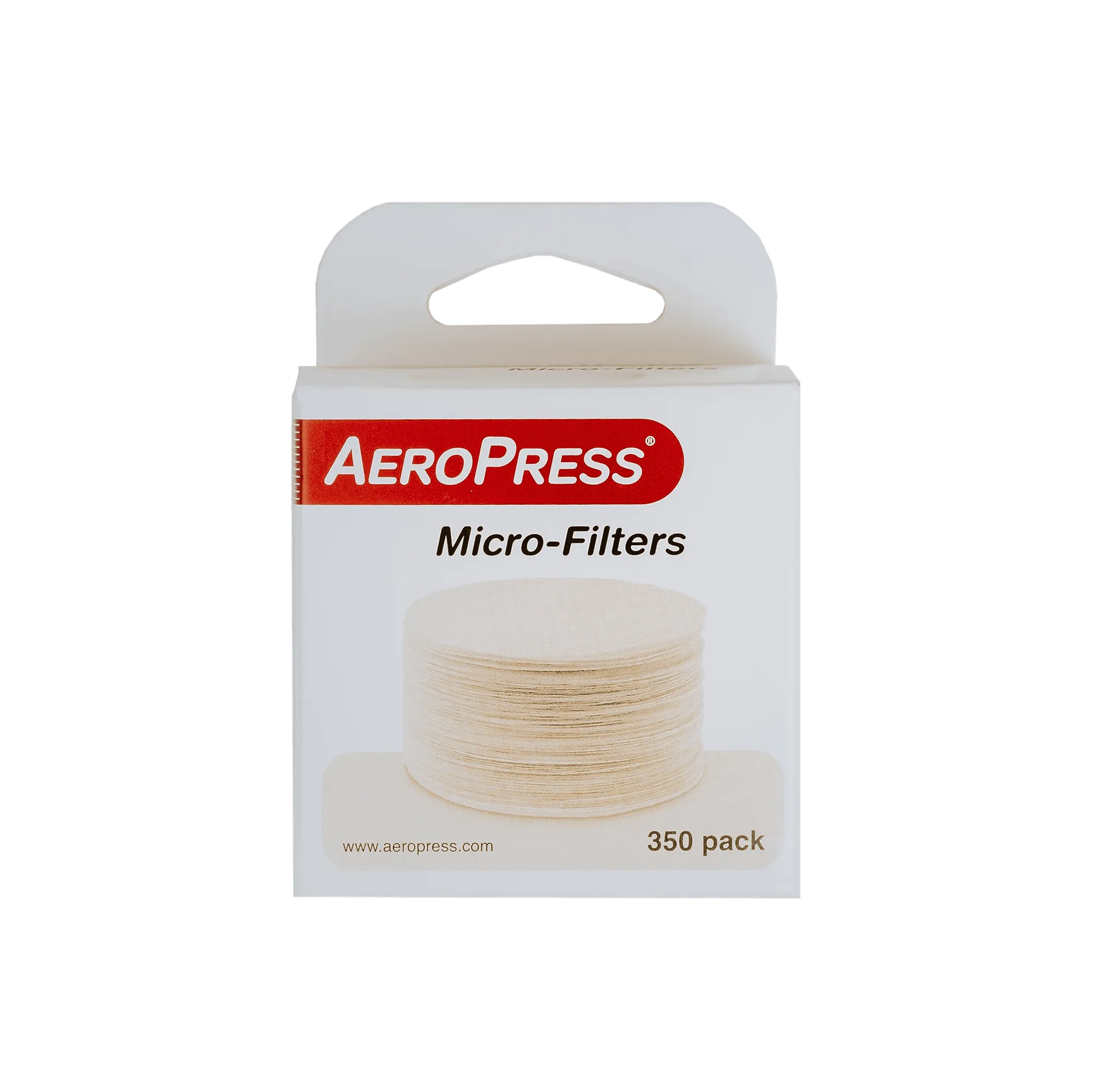
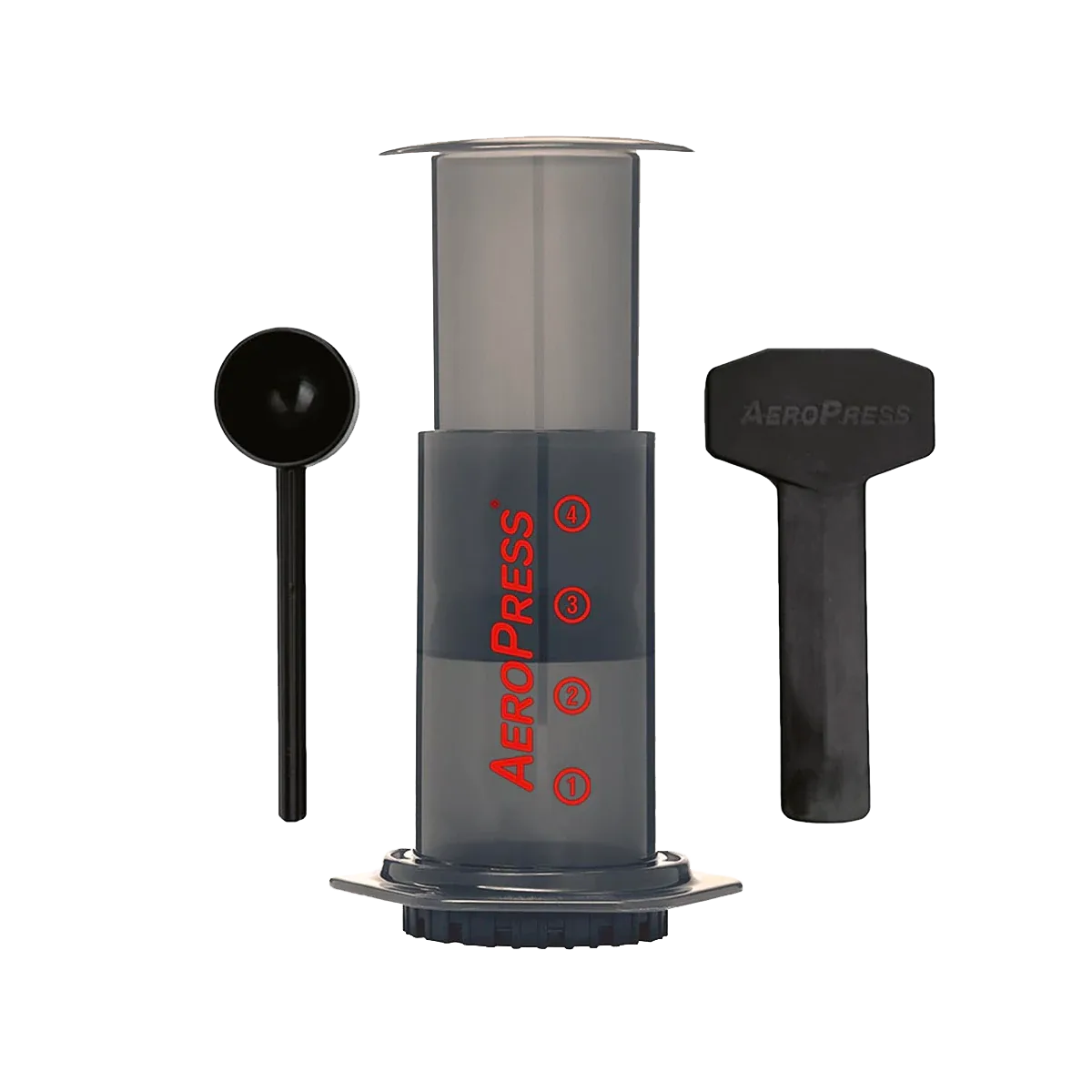
If you already own an AeroPress, the Aeropress Micro-Filters are a separate purchase and will not fit either brewer, but they are worth noting if you rotate between devices. For serving, the Hario V60 Range Server pairs naturally with the V60 dripper and gives you a heat-resistant glass carafe for pouring.
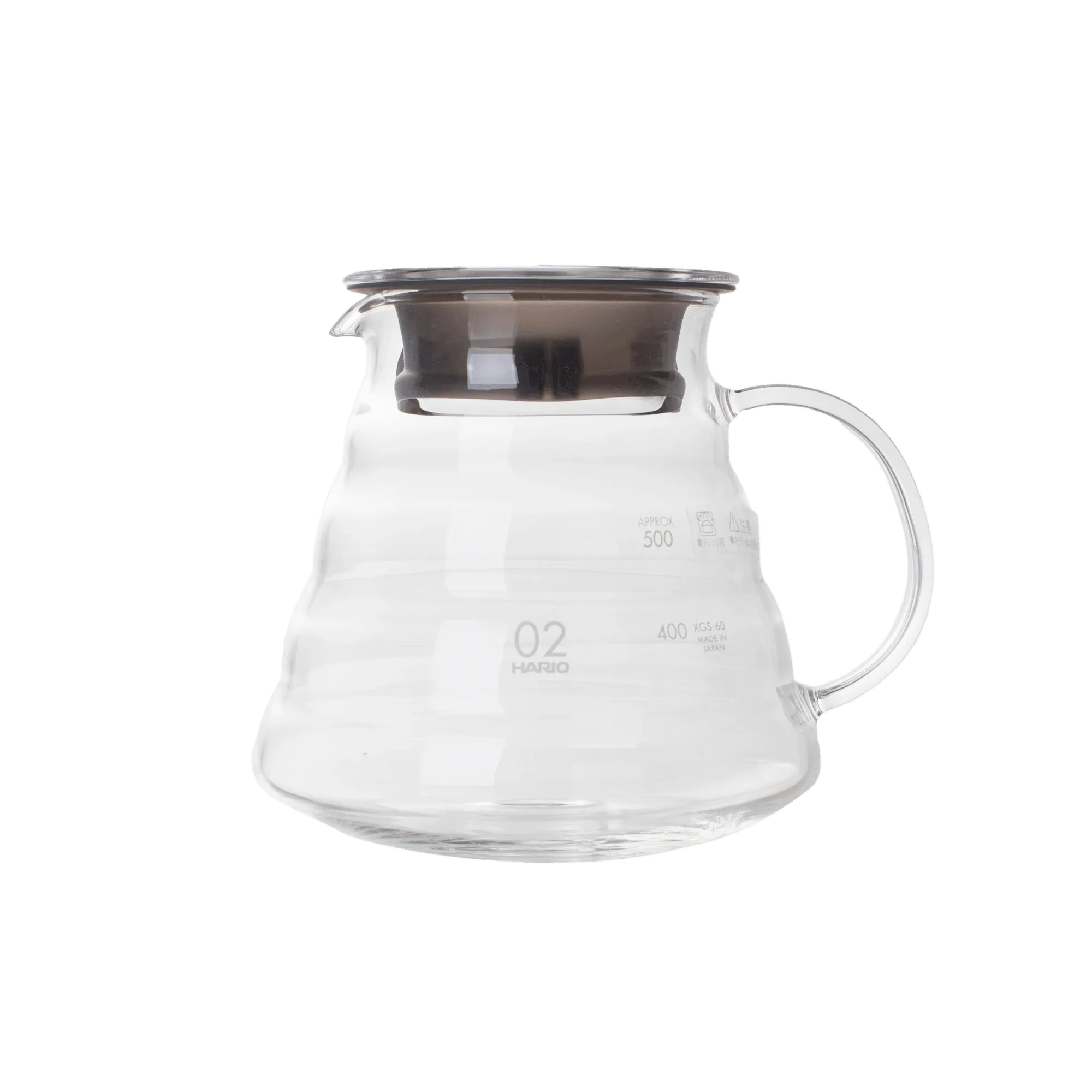
Hario V60 Range Server
- Start with a scale if you choose the V60.
- Start with a gooseneck kettle if you choose the Chemex.
Trade-Offs at a Glance
- Cup clarity vs. body: The Chemex's thick filter removes more oils and fines, producing a lighter, clearer cup. The V60's thinner filter lets more oils through, giving you a fuller, rounder body. Pick based on the mouthfeel you enjoy, not on which is supposedly better.
- Control vs. forgiveness: The V60's single large hole makes flow rate highly responsive to your pour, which rewards practice but punishes distraction. The Chemex's filter slows the flow and smooths out small inconsistencies. Choose the V60 if you want to learn; choose the Chemex if you want reliability.
- Single serve vs. sharing: The V60 is best for one or two mugs at a time, while the Chemex can brew several cups in one batch and doubles as a serving carafe. Count how many people you brew for before deciding.
- Filter cost vs. cleanup speed: V60 filters are thinner and generally cheaper, but you handle grounds and filter separately. Chemex filters cost more per brew, yet the filter and grounds lift out in one piece. Weigh ongoing filter cost against daily cleanup effort.
Product Facts That Shape the Decision
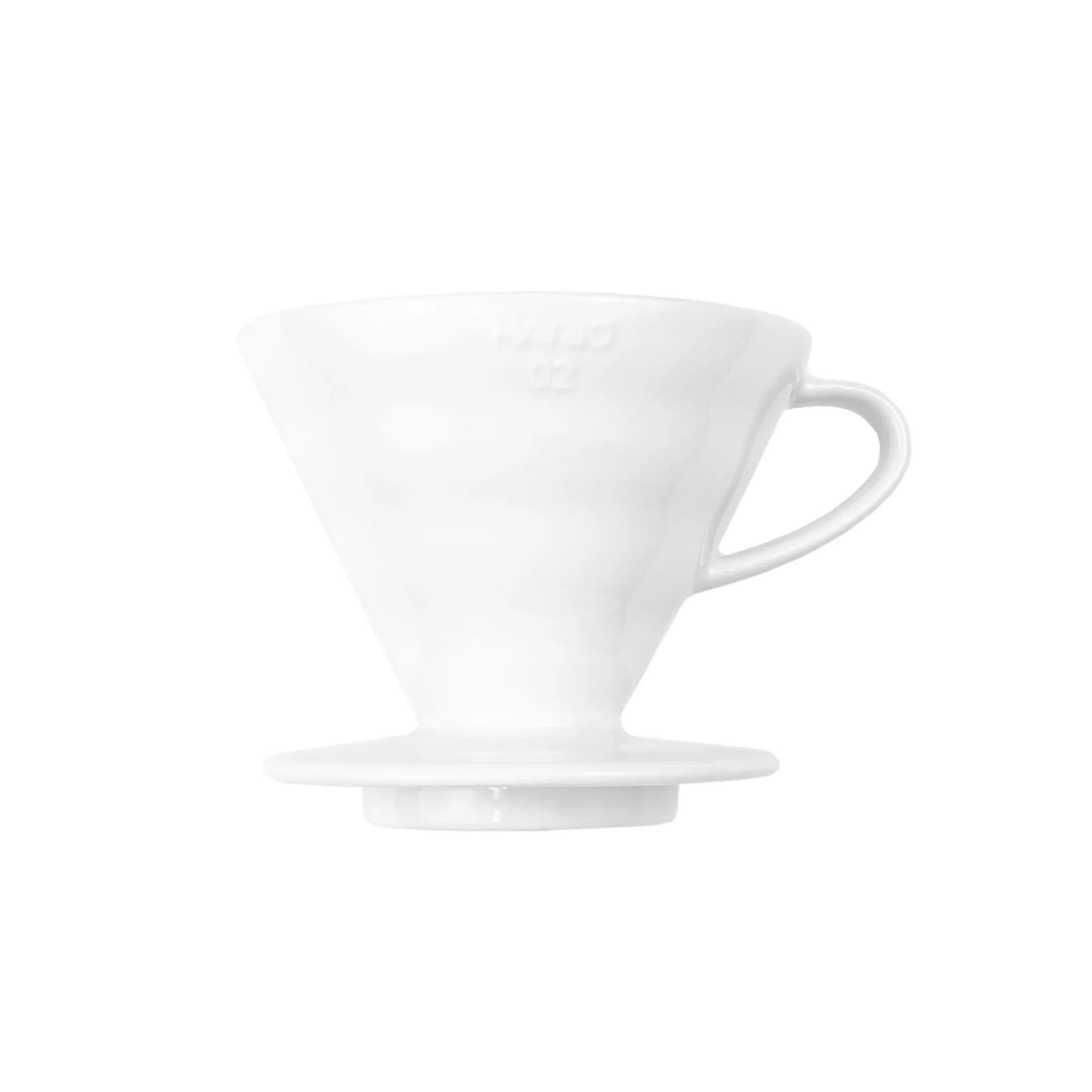
- Hario V60 Ceramic Coffee Dripper - White: The Hario V60 Ceramic Dripper is built for speed, consistency, and durability, and can brew one to four cups at a time. The ceramic body holds heat well and the cone shape supports fast, controllable pours, making it a strong fit for single-cup brewing and for anyone who wants to adjust technique.
- Hario V60 Range Server: The Hario V60 Range Server is made with durable, heat-resistant glass and was a 2012 Red Dot Design Product Design award winner. If you brew with a V60, a matching server lets you brew and serve in the same vessel without transferring to a separate carafe.
- Kalita Wave Dripper #185: The Kalita Wave Dripper features a flat bottom with its patented wave filter to create an even and smooth coffee extraction, and our baristas prefer it for a fuller flavor and more balanced extraction. If the V60 feels too technique-sensitive and the Chemex feels too light, a flat-bottom dripper is a useful middle ground worth considering.
- Aeropress Micro-Filters: Designed to be used with the AeroPress Original Coffee Maker or the AeroPress Go Travel Coffee Maker, the die-cut micro-filter helps to prevent grounds or grit from getting into your brew. These filters only fit AeroPress brewers, so they are not a substitute for Chemex or V60 filters, but they are a reminder to check filter compatibility before buying any brewer.
Which Brewer Fits You?
Best for
- Single-cup brewers who want fast, adjustable pour over and a lower entry cost.
- Coffee drinkers who enjoy a fuller body and want to develop their pouring technique.
- Anyone who already owns a gooseneck kettle and a scale and wants a responsive brewer.
Not for
- Households brewing three or more cups at once, who will get more value from a Chemex.
- People who want a forgiving method they can run on autopilot while distracted.
- Anyone who dislikes buying and rinsing cone filters frequently.
There is no single best pour over method, only the one that matches your counter space, your serving size, and your patience at 7 a.m. If you brew for yourself and want control, the Hario V60 is the practical pick. If you brew for a table and want a cleaner cup with easier cleanup, the Chemex earns its place. Either way, start with good beans and a consistent grind, and the brewer will do the rest.