Your chest rig is a critical piece of tactical gear, designed to keep your essentials organized and accessible. However, the elastic and straps that hold everything together can wear out over time if not properly maintained. In this guide, we'll walk you through essential care tips to extend the life of your chest rig's elastic and straps, ensuring they remain reliable mission after mission.
Whether you're a professional operator or a weekend enthusiast, understanding how to care for your gear is key. From cleaning and storage to inspection and replacement, we'll cover all the bases. Plus, we'll highlight some Agilite products that can enhance your setup, like the Agilite MOLLE Placard and the AG3TM Placard Triple Mag Pouch, which are built to withstand rigorous use.
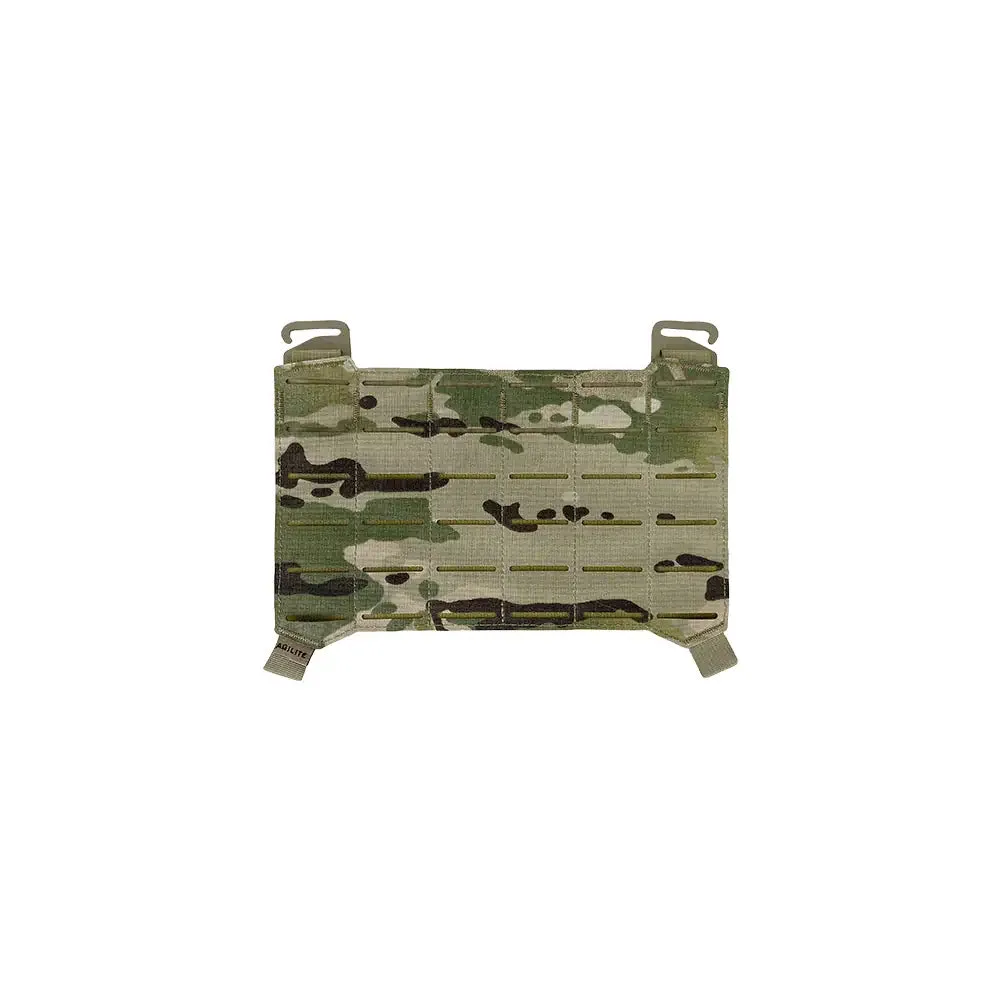
Agilite MOLLE Placard
Why Elastic and Straps Matter
The elastic and straps on your chest rig are responsible for securing magazines, pouches, and other gear. They experience constant tension and friction, making them susceptible to wear and tear. Over time, elastic can lose its stretch, and straps can fray or weaken, compromising the integrity of your rig. Regular maintenance not only extends the life of your gear but also ensures it performs when you need it most.
Understanding the materials is crucial. Most chest rigs use high-quality nylon or Cordura for straps and elastic webbing for retention. These materials are durable but not indestructible. By implementing a routine care regimen, you can prevent premature failure and keep your rig in optimal condition.
- Inspect your rig before and after each use for signs of wear.
- Pay special attention to stress points like where straps meet buckles.
Cleaning Your Chest Rig: Dos and Don'ts
Proper cleaning is the first step in maintaining your chest rig. Dirt, sweat, and debris can degrade elastic and strap fibers over time. To clean your rig, remove all pouches and accessories, then hand wash using mild soap and lukewarm water. Avoid harsh detergents or bleach, as they can break down the elastic. Use a soft brush to gently scrub stubborn dirt, then rinse thoroughly.
Never machine wash or dry your chest rig, as the agitation and heat can damage the elastic and cause straps to shrink or warp. Instead, hang it to air dry in a shaded area. Direct sunlight can fade colors and weaken materials, so avoid prolonged exposure. Once dry, you can reattach your pouches and gear.
- Use a mild detergent like Nikwax Tech Wash for technical fabrics.
- Allow the rig to dry completely before storing to prevent mildew.
Inspecting for Wear and Tear
Regular inspection is vital to catch issues early. Check the elastic for signs of stretching, cracking, or loss of snap. Straps should be examined for fraying, cuts, or loose stitching. Pay attention to where straps pass through buckles or adjusters, as these are high-friction areas. If you notice any damage, address it immediately to avoid failure in the field.
For elastic that has lost its tension, consider replacing it if possible. Some chest rigs have replaceable elastic components. For straps, if the webbing is still intact but the edges are fraying, you can carefully melt the edges with a lighter to prevent further unraveling. However, if the strap is structurally compromised, it's safer to replace the entire rig or the affected part.
- Create a checklist for monthly inspections.
- Test the tension of elastic by stretching it and seeing if it returns to shape.
Storing Your Chest Rig Properly
How you store your chest rig when not in use can significantly impact its lifespan. Avoid folding it in ways that crease the elastic or put stress on straps. Instead, hang it on a sturdy hanger or lay it flat in a cool, dry place. Keep it away from direct sunlight and extreme temperatures, which can cause materials to degrade.
If you need to pack your rig for transport, roll it loosely rather than folding tightly. This reduces stress on the elastic and prevents permanent creases. Also, consider using a gear bag or storage container that offers some protection from moisture and pests. For added organization, you might use a Hook-backed EDC Organizer Panel to keep your accessories tidy.
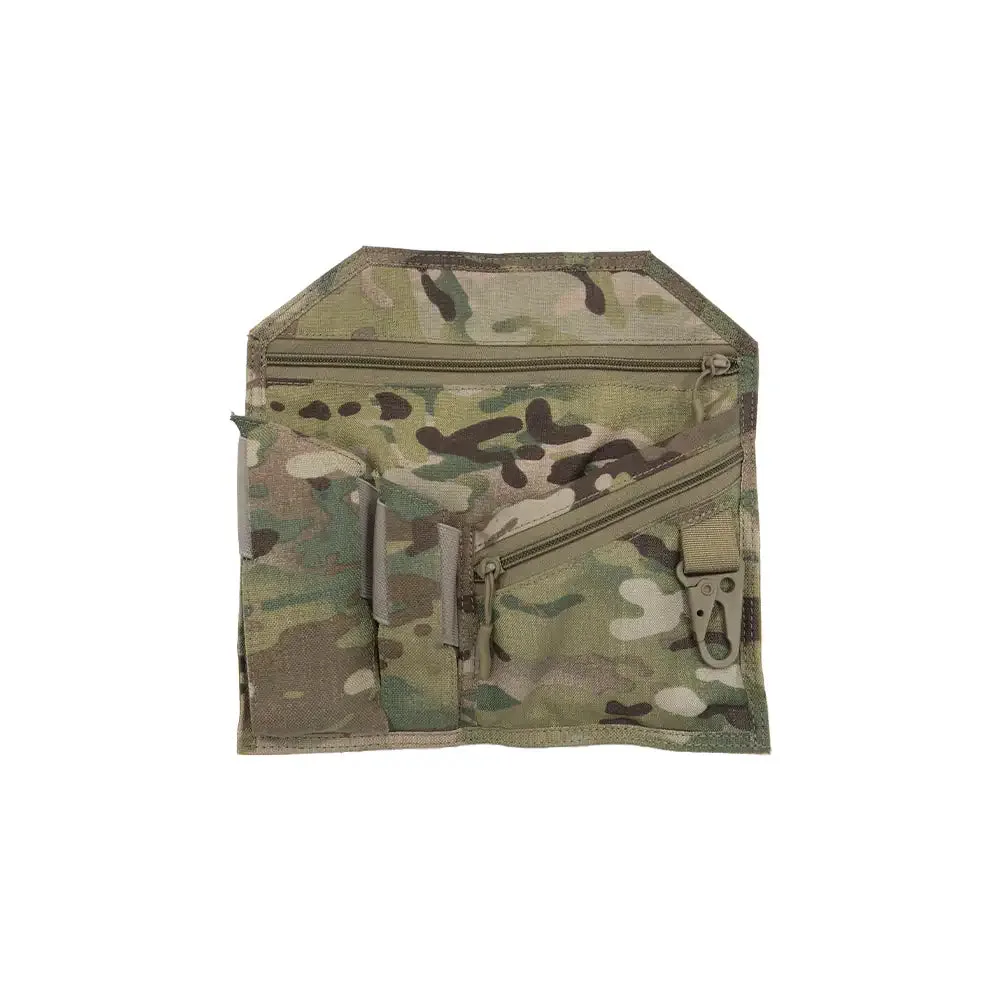
Hook-backed EDC Organizer Panel
- Store in a climate-controlled environment if possible.
- Use silica gel packs to absorb moisture in humid climates.
Replacing Worn Components
Even with the best care, elastic and straps will eventually wear out. Knowing when to replace them is crucial for safety and performance. If you notice any of the following, it's time for a replacement: elastic that no longer holds items securely, straps with visible fraying or cuts, or buckles that are cracked or broken. Replacing components promptly can prevent gear failure during critical moments.
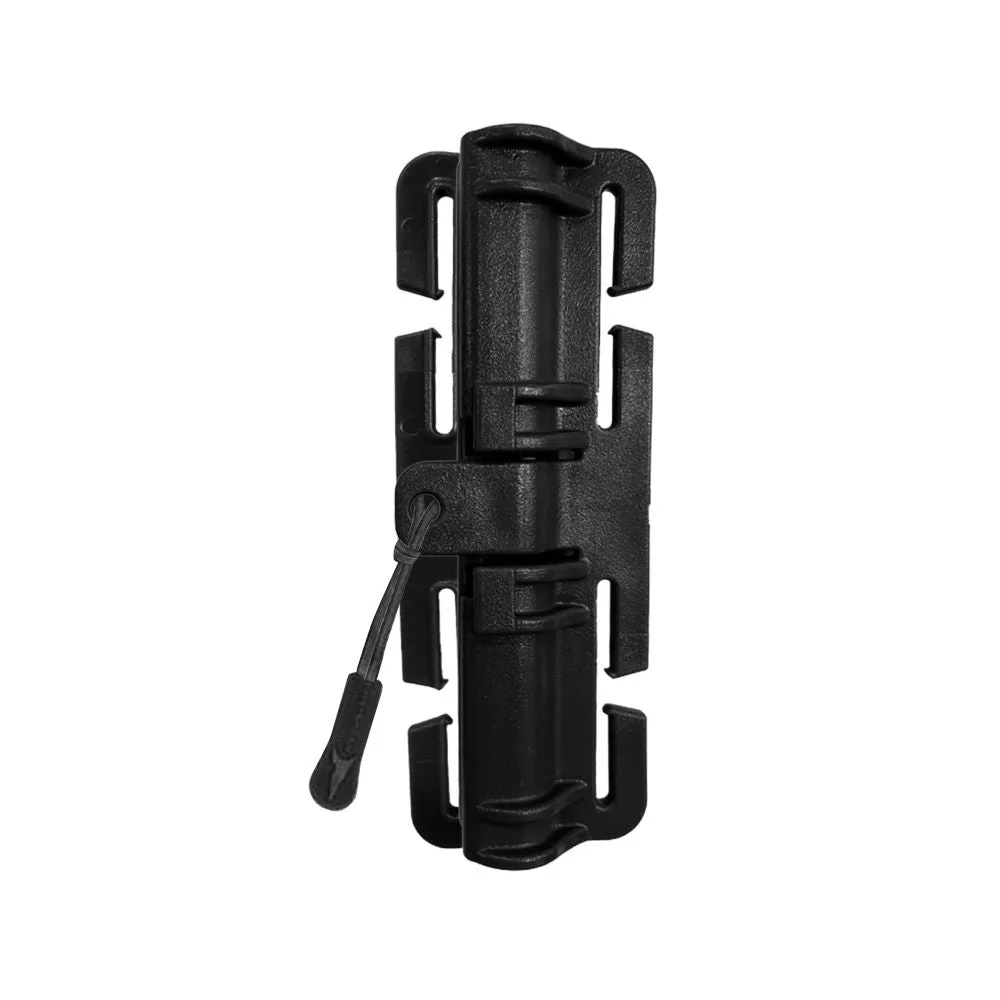
When replacing parts, ensure you use compatible components from reputable manufacturers. For example, the Single First Spear Tubes® Quick Release Buckle is an excellent upgrade for quick release systems, offering durability and ease of use. Similarly, upgrading to a PincerTM Pistol Double Pouch can provide better retention and accessibility.
- Keep spare buckles and elastic in your gear kit for quick field repairs.
- Follow manufacturer guidelines for replacement parts.
Maintaining your chest rig's elastic and straps doesn't have to be complicated. By following these simple tips, you can ensure your gear remains reliable and durable for years to come. Remember, a well-maintained chest rig is a dependable one. Explore our range of high-quality chest rigs and accessories, like the Agilite MOLLE Placard, to upgrade your setup today.