Quick answer
A chew-proof car safety belt is usually the better fit for dogs who chew through standard restraints, because it pairs a steel-braided cable with a crash-rated carabiner and keeps your dog in a seated position. A crate is often the better choice for dogs who settle quietly in an enclosed space and for owners who want a contained, familiar den on the road. Neither option is universally safer, so match the restraint to your dog's chewing habit, size, and vehicle space.
How a chew-proof car safety belt works
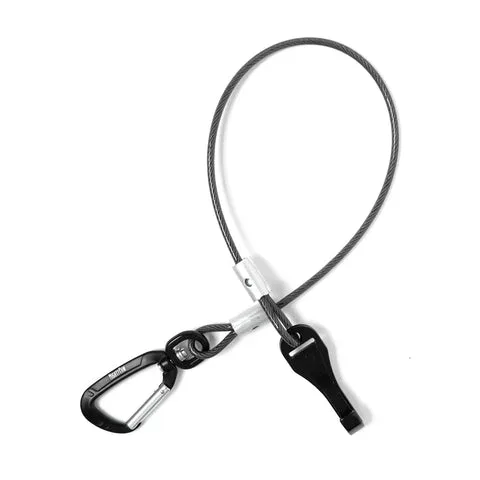
A chew-proof belt replaces the fabric strap that most dogs can bite through with a steel-braided cable. The Mighty Paw Chew Proof Dog Car Safety Belt uses a 2.34 mm stainless steel braided wire cable made of five bundles of seven wires, and its aviation aluminum carabiner holds up to 850 lbs of force tension. That construction matters because a dog who chews through a nylon strap during a drive is no longer restrained, and the belt can become a choking hazard. Pairing the belt with a vehicle safety harness keeps the load spread across the chest rather than the neck.
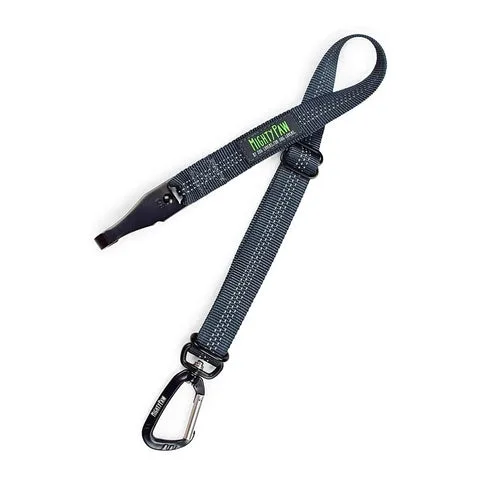
Dog Car Safety Belt
How a crate restrains a dog in the car
A crate contains your dog inside a rigid or soft-sided box, which limits movement without attaching to a seat belt. The trade-off is that the crate itself must be secured so it does not slide or tip during sudden braking, and the crate has to fit your vehicle's cargo area or back seat without blocking visibility. Crates also take up more room than a belt-and-harness setup, which matters in smaller cars. If your dog is anxious in enclosed spaces, a crate can increase stress rather than reduce it.
Chewing, escape attempts, and hardware strength
Chewing is the clearest dividing line between these two options. A steel-cable belt is built specifically to survive a dedicated chewer, while a crate's bars, door latch, or soft panels can be bent, pawed, or chewed by a determined dog. If your dog has already destroyed a fabric seat belt or slipped out of a harness, the chew-proof belt addresses that failure point directly. If your dog settles in a crate at home and does not paw at the door, a crate may hold up just as well on the road.
Fit, space, and daily use
A belt-and-harness setup is faster to install and easier to store when not in use, which suits frequent short trips. A crate takes longer to load and secure, but it can double as a familiar resting spot at your destination. Measure your dog's chest girth before choosing a harness, and check that the belt's carabiner clips to a metal D-ring rather than a plastic loop. For crates, confirm the crate fits behind the front seats or in the cargo area with room for your dog to stand and turn around.
Trade-offs to weigh before you decide
- Chew resistance vs. confinement: A chew-proof belt stops a dog from biting through the restraint, but it does not stop your dog from standing, turning, or leaning into the front seat. A crate confines movement but can be chewed, pawed, or bent at the door. Choose the belt if chewing has already defeated a fabric restraint; choose the crate if containment is the main goal and your dog accepts an enclosed space.
- Setup time vs. space used: Clipping a belt to a harness takes seconds and stores in a glovebox. A crate must be lifted in, positioned, and secured so it cannot slide, and it occupies a fixed amount of cargo or seat space. For daily short drives, the belt is the lower-effort option; for long trips where your dog rests in a crate at the destination, the crate can earn its space.
- Hardware strength vs. harness fit: A steel cable and 850 lb carabiner only help if the harness fits correctly and the carabiner clips to a metal D-ring. A loose harness or a plastic ring becomes the weak link regardless of the belt. Check the harness fit and attachment point before trusting any restraint system.
Product facts that affect the choice
- Chew-Proof Car Safety Belt: The Chew Proof Dog Car Safety Belt uses a 2.34 mm stainless steel braided wire cable with five bundles of seven wires, and an aviation aluminum carabiner rated to hold up to 850 lbs of force tension. The cable resists chewing that would destroy a fabric strap, and the carabiner gives a strong attachment point for a harness D-ring.
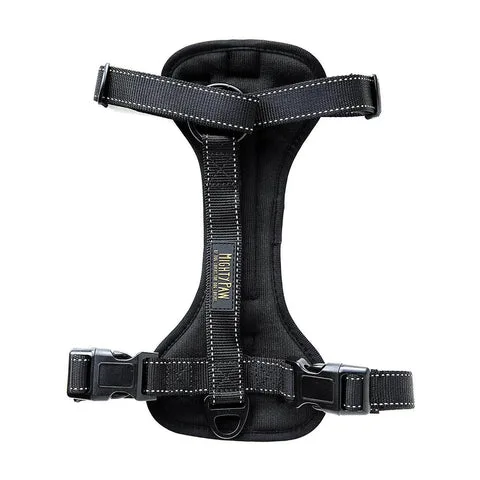
- Adjustable Vehicle Safety Harness: The Adjustable Vehicle Safety Harness is built with heavy-duty metal hardware for a secure hold in the car. Metal hardware is less likely to bend or release under load than plastic buckles, which is important when the harness is the part actually holding your dog.
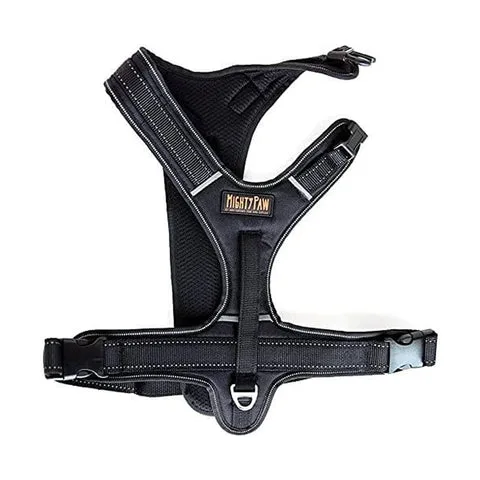
- Sport Dog Harness: The Sport Dog Harness With Neck Buckle is made with weather-proof materials and is designed for car rides. A harness with a neck buckle can be easier to put on a wiggly dog, and weather-proof material holds up to muddy paws and repeated trips.
Which restraint fits your dog
Best for
- Dogs who have chewed through fabric seat belts or standard restraints
- Owners who want a compact restraint that installs in seconds and stores easily
- Dogs who ride in a harness and stay seated without a crate
Not for
- Dogs who need full containment and will not settle on a seat
- Owners who prefer a crate as a familiar den at the destination
- Vehicles with no safe place to secure a crate