Quick answer
Start by treating Chikyū Kaihō Gun ZAS as a route problem, not a reflex test. Pick one stage, learn where enemy waves enter, and practice holding a safe lane before you chase score. On M64, use original-cartridge timing and a drift-free controller so your dodges stay repeatable.
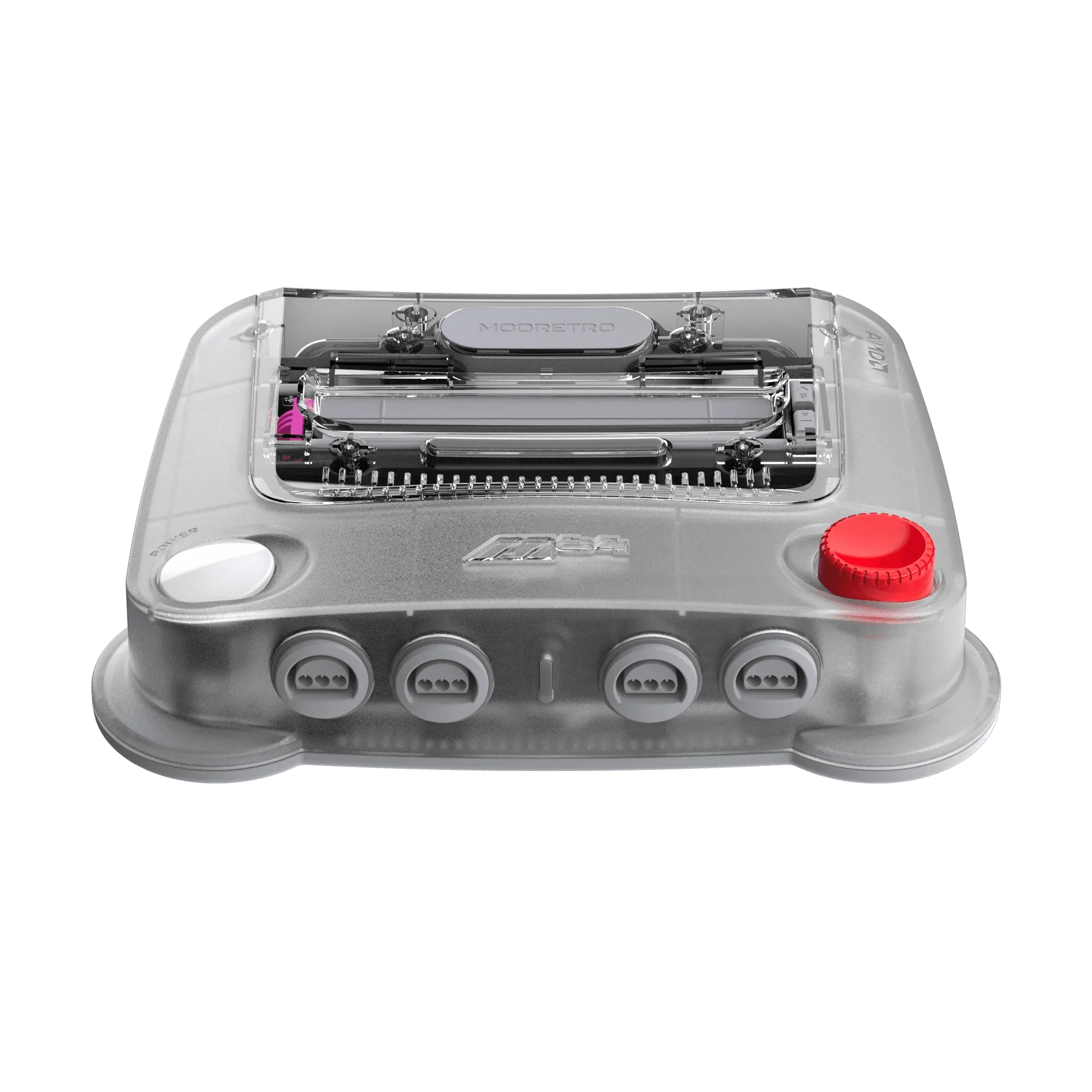
Set up M64 for a shooter you will replay
Chikyū Kaihō Gun ZAS rewards repeated attempts, so your setup should make restarts fast and consistent. M64 plays original cartridges with identical gameplay timing and audio, which matters when you are memorizing enemy waves. HDMI output up to 4K and optional CRT filters let you choose a clean modern image or a softer look that can make small bullets easier to track. If you use an original N64 controller with a worn stick, swap to a Hall Effect pad before you blame your dodging.
Learn the first stage in two passes
Do not try to clear the whole game on your first evening. Play the opening stage once just to watch enemy entries, then restart and apply one rule: stay in the lower-middle third of the screen unless a formation forces you out. Layered scrolling backgrounds can hide small projectiles, so keep your eyes on the brightest moving shapes rather than the scenery. When a wave closes in, move through the gap early instead of waiting for the last moment.
Handle mechanical bosses with a fixed pattern
The massive mechanical bosses fill the battlefield, and panic movement is what ends most early runs. Pick one side of the boss, hold a steady firing line, and dodge only when a pattern actually targets you. If a boss phase feels random, you are probably moving before the tell finishes. Watch the boss once without firing and note the order of its attacks, then repeat that order out loud on your next attempt.
Beginner process for Chikyū Kaihō Gun ZAS
- 1. Confirm your cartridge and controller before you practice: Insert the original cartridge, power on M64, and test that the controller stick centers cleanly in the menu. If the cursor drifts on its own, fix that first. Checkpoint: no unintended movement when you release the stick.
- 2. Watch the first stage without firing: Spend one full run observing where enemy waves enter and where the scrolling background gets busiest. Do not try to score. Common mistake: treating this as a wasted run. It is the fastest way to learn the stage.
- 3. Pick one safe lane and hold it: Choose the lower-middle third of the screen and return to it after every dodge. This gives you a known starting position for each new wave. Checkpoint: you can name your lane and return to it without thinking.
- 4. Move through gaps early, not late: When a formation closes in, start moving as soon as the gap appears. Late dodges put you at the edge of the screen with no escape route. Common mistake: waiting to see the full pattern before committing.
- 5. Learn one boss attack order per attempt: On each boss try, focus on memorizing the sequence of attacks rather than surviving longer. Say the order out loud as it happens. Checkpoint: you can predict the next attack before it starts.
- 6. Restart immediately after a mistake you can name: If you die because you drifted out of your lane or moved early, restart and replay the same section. Do not push forward on a sloppy run. Common mistake: continuing a bad run and practicing the mistake.
- 7. Adjust display settings only after the route is stable: Once you can reach the first boss consistently, try a CRT filter or a different output setting to see which makes small bullets easier to read. Checkpoint: the change makes tracking easier, not just different.
Gear that supports this process
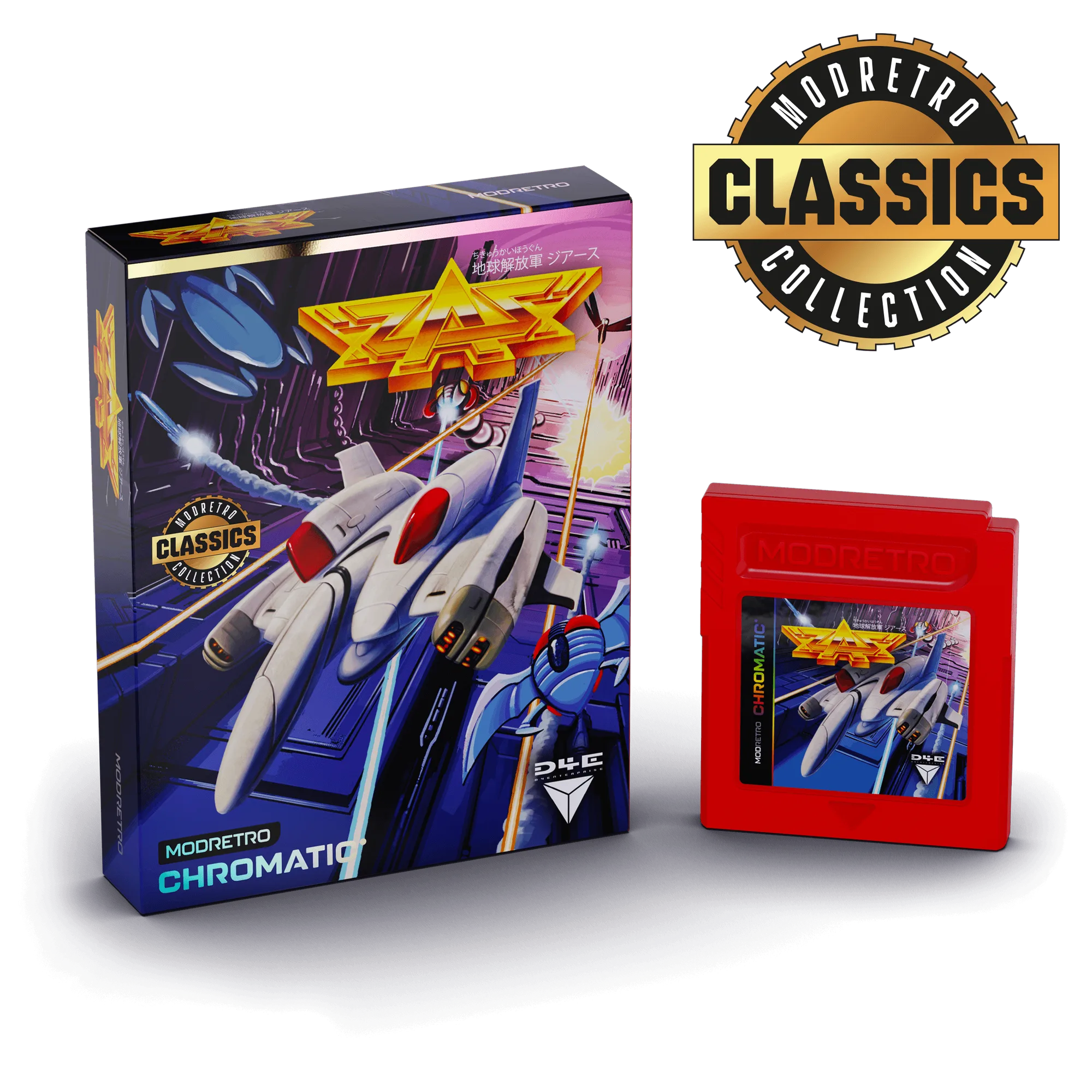
- Chikyū Kaihō Gun ZAS: Chikyū Kaihō Gun ZAS was originally released in 1992 as a Japanese exclusive and is one of the rarest shooters on the original Game Boy, with fast stages, layered scrolling environments, and massive mechanical bosses. Knowing it was built as a demanding import shooter explains why route memory and boss patterns matter more than raw speed.
- M64: M64 is designed for full compatibility with original cartridges and controllers, identical gameplay timing and audio, HDMI video output up to 4K, and customization options like CRT filters and overclocking modes. Consistent timing and a stable image make repeated practice runs comparable, so you can tell whether a change actually improved your play.
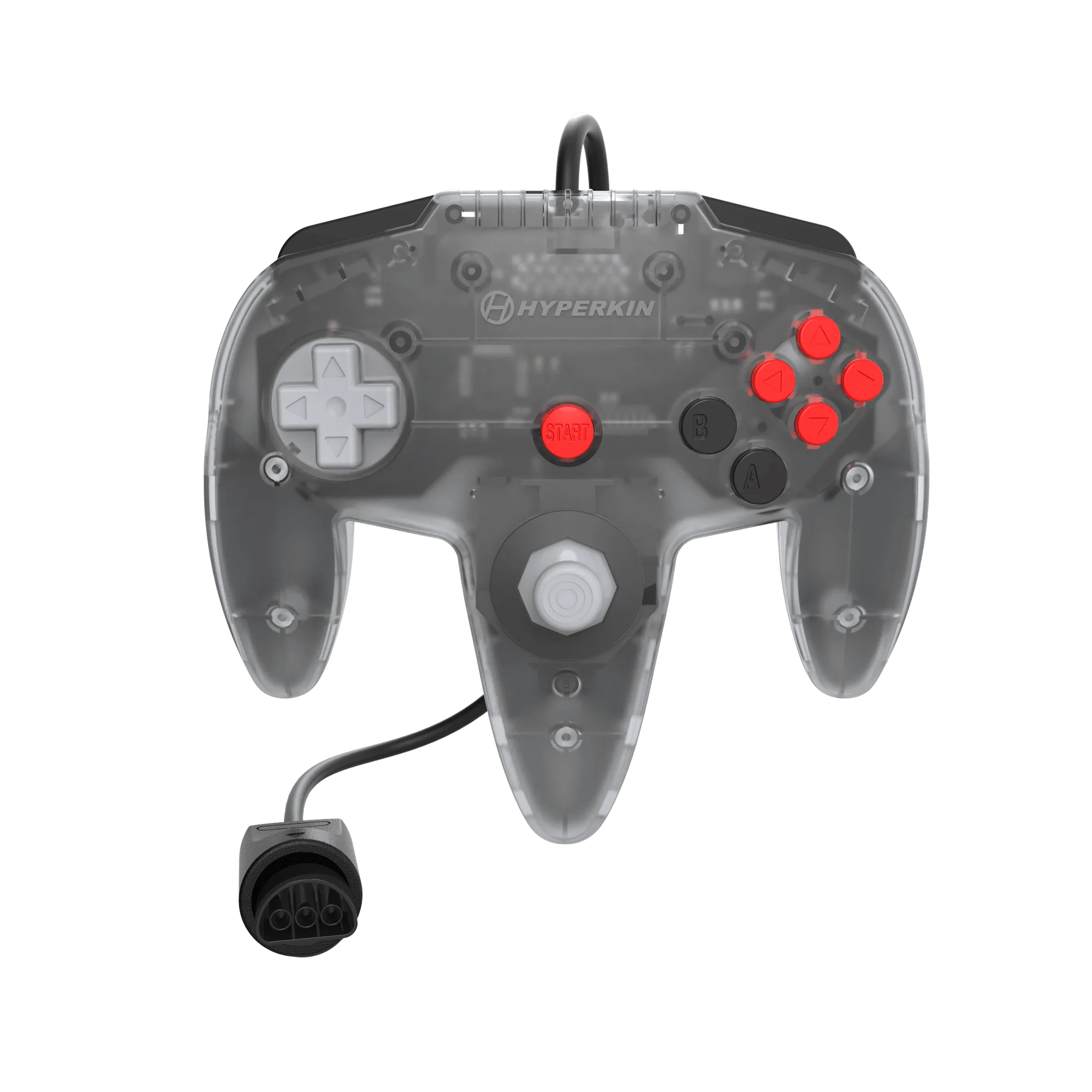
- Hyperkin Captain+ Wired Controller: The Hyperkin Captain+ Wired Controller uses Hall Effect joystick technology for drift-free precision on M64 and N64. A stick that does not drift keeps small dodges repeatable, which is exactly what a bullet-heavy import shooter demands.