Quick answer
First check whether the music set is actually broken, missing pieces, or out of reach. If the toy is fine, the usual cause is that the play pattern has become too easy, too hard, or too repetitive. Change how you present it for one to two weeks, then decide whether to rotate it out. If your child consistently avoids it after that, the set may simply be the wrong fit for their current stage.
A music set that once got daily use can suddenly sit untouched, and that shift is rarely about the toy being bad. It usually means the play has stopped matching what your child can do or wants to do next.
This guide separates the symptom, the likely cause, the corrective action, and the point where you should stop pushing and choose another option. You will also see how other Montessori toys can keep the same skills moving without forcing the music set back into rotation.

Montessori
Symptom: the music set is ignored or refused
The clearest sign is a pattern, not a single day. Your child walks past the music set, picks up one piece and drops it, or says no when you suggest it. Sometimes they still bang a drum once and leave, which looks like play but is really a quick exit.
Watch for what happens right before the refusal. If they were frustrated by a hard rhythm or bored by the same song, the problem is the activity, not the instrument. If they are teething, tired, or in a throwing phase, the timing may be the real issue.
Write down three observations over a week: what they were doing before, how long they stayed, and what they did instead. That record tells you whether this is a temporary mood or a real change in interest.
- Count engagement in minutes, not in whether they touched the toy at all.
- Note the time of day. Late afternoon refusal is common and not a toy problem.
Likely cause: the play pattern stopped matching your child
Montessori music activities work best when the challenge sits just past what a child can already do. If the set has been used the same way for months, the child has mastered it and the toy no longer offers a next step. That is boredom, not failure.
The opposite can also happen. A child who is not yet ready for steady beat or two-handed playing may avoid the set because it feels like a test they keep failing. In both cases, the toy stays the same while the child changes.
A third cause is environmental. If the music set lives in a crowded bin with louder toys, it loses the attention battle. Fewer, clearer choices often bring it back without any new purchase.
- Rotate the set to a quiet shelf with only two or three instruments visible.
- Try one new action, such as copying a clap pattern, instead of a new song.
Corrective action: re engaging music toys with small changes
Start with one change at a time so you can tell what worked. Move the set to a low, open shelf and leave it there for a week. Then model one short music activity yourself, such as tapping a steady beat while you sing a favorite line, and stop before your child loses focus.
If your child is ready for more, add a matching task. Ask them to play once when you play once, or to find the instrument that makes a high sound. These music set play ideas turn a free-play toy into a focused activity without changing the set itself.
If the set still gets no use after two weeks of small changes, try a full rotation. Put it away for three to four weeks and bring it back when your child is in a different developmental phase. Many children return to an old toy with new interest after a real break.
- Keep sessions to five minutes and end while your child still wants more.
- Pair the music set with a familiar routine, such as cleanup time or bedtime.
- Do not add rewards. The goal is to rebuild the play itself, not to bribe participation.
When to stop and choose another option
Stop pushing the music set if your child shows distress, not just disinterest. Crying, covering ears, or leaving the room every time it appears is a clear signal to pause. Sensory sensitivity to sound is real, and forcing exposure can make it worse.
Also stop if the set is missing pieces or damaged in a way you cannot repair. A music toy with a cracked frame or loose part is a safety issue, not a motivation issue. Check the manufacturer guidance before you try to fix it yourself.
If your child is simply ready for a different kind of challenge, choose a toy that builds the same underlying skills. Fine motor control, sequencing, and cause-and-effect all carry over, so you are not abandoning music by switching for a while.
- Pause for at least two weeks before deciding the toy is a permanent miss.
- Choose a replacement that targets the skill your child is working on now.
Diagnosis: symptom, cause, action, stop point
- Symptom: Your child ignores the music set, refuses it, or plays for under a minute before leaving. Track the pattern for a week before changing anything.
- Likely cause: The play is now too easy, too hard, or too repetitive, or the set is stored where it competes with louder toys. Match the challenge to your child's current stage, not their age on paper.
- Corrective action: Move the set to a quiet, open shelf, model one short activity, and add a simple matching or copying task. Rotate it out for three to four weeks if nothing changes. Give small changes one to two weeks before judging them.
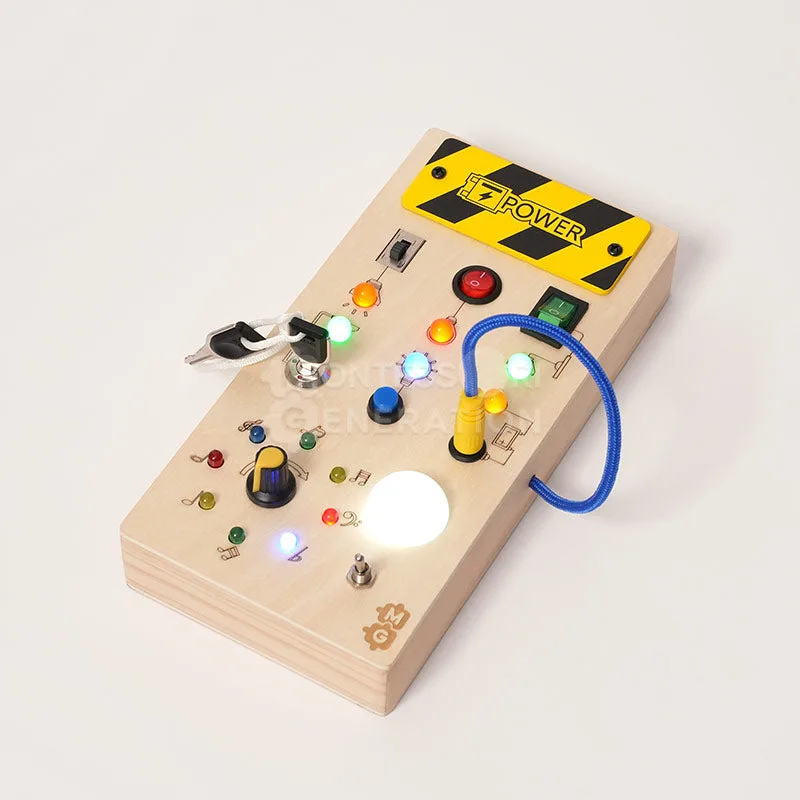
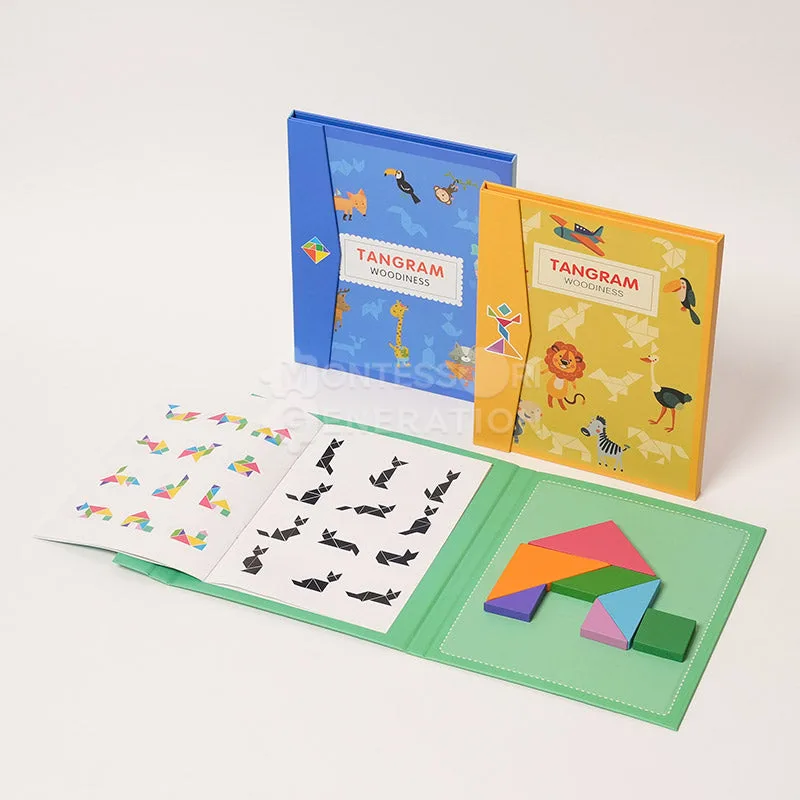
- Stop point: Pause if your child shows distress or if the set is damaged. Switch to a toy that builds the same skill, such as the Montessori Wooden Switch Board or Montessori Magnetic Tangram Book. Switching toys is not giving up; it is following your child's development.
Product facts that help you decide
- Montessori Wooden Switch Board: Age 3+, contains one wooden sensory board and no batteries, with some non-toxic plastic and metal parts; clean with a dry cloth and keep batteries, if added, screwed under the lid. If your child has moved past sound-making and wants cause-and-effect tasks, this board offers a different kind of hands-on challenge without screens or constant noise.
- Montessori Magnetic Tangram Book: Age 3+, contains one hardcover book and seven puzzle pieces, made from eco-friendly wood and non-toxic card paper; spot clean only with a damp cloth. For a child who is bored by open-ended music play, the tangram book adds a clear goal and a quiet, portable activity that can sit on the same shelf.
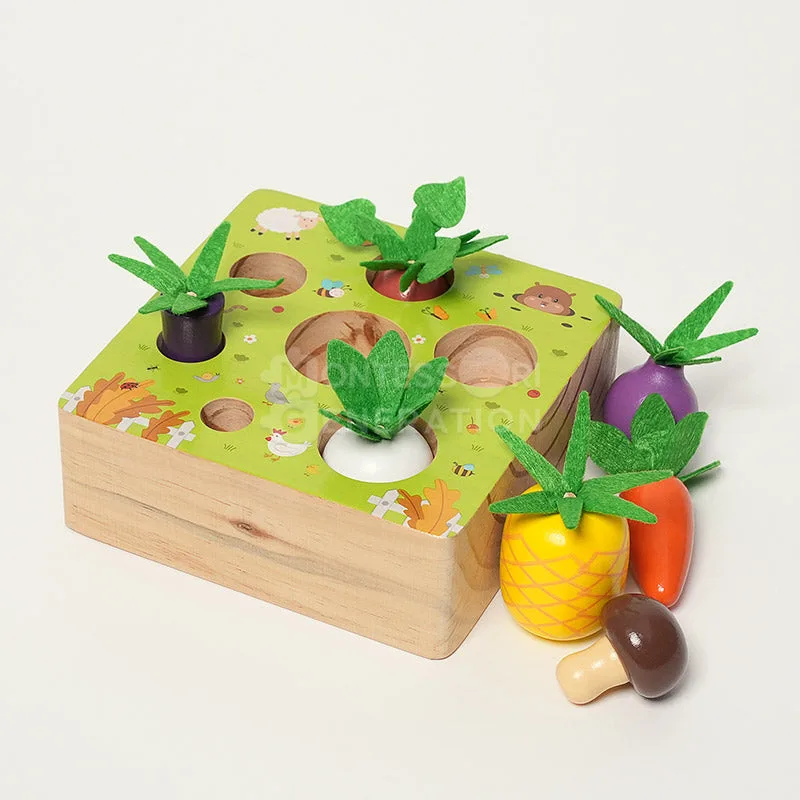
- Montessori Vegetable Set: Age 12+ months, contains one wooden board and seven wooden vegetable pieces, made from eco-friendly wood with non-toxic paint; clean with a damp cloth and mild soap, then dry immediately. If your child is younger than the music set's ideal stage, this set matches early matching and grasping skills and may hold attention better right now.
A music set that goes quiet is giving you information, not a verdict. Check the toy, adjust the challenge, and set a clear two-week window before you decide. If interest does not return, rotate it out and choose a toy that meets your child where they are now.