Quick Answer
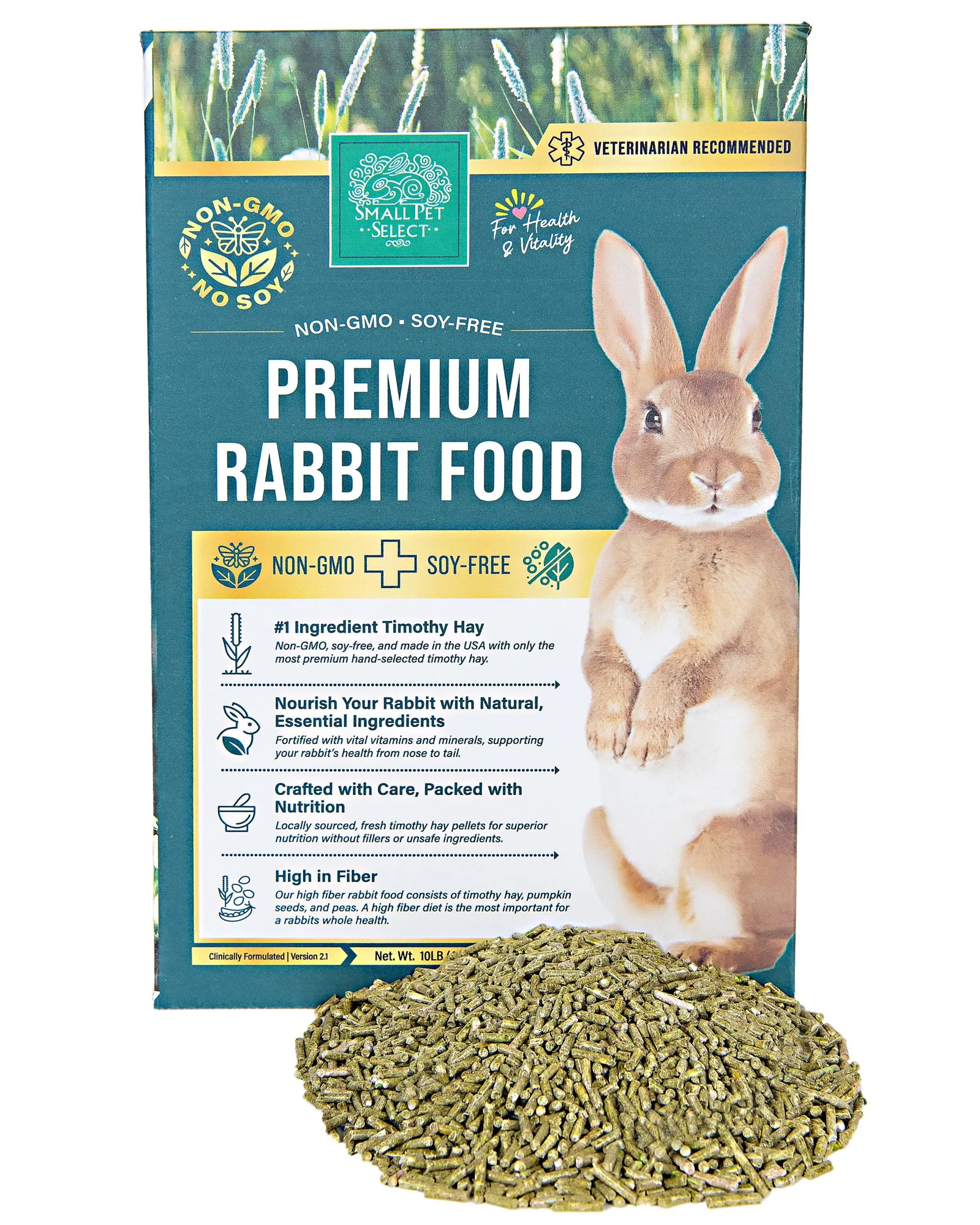
The best chinchilla food pellets are hay-based, high in fiber (18-25%), low in fat and sugar, and free of seeds, nuts, and dried fruit. Look for a pellet that is uniform in size and color, indicating consistent nutrition in every bite. A timothy hay-based formula supports healthy digestion and dental wear.
Why Pellet Quality Matters for Chinchillas
Chinchillas have sensitive digestive systems that rely on a high-fiber diet to stay healthy. Unlike some other small pets, they cannot handle sudden changes in food or high levels of sugar and starch. A poor-quality pellet can lead to dental problems, obesity, or gastrointestinal stasis. Choosing a well-formulated chinchilla food pellet is one of the most important decisions you make for your pet's long-term health.
Key Ingredients to Look For
The first ingredient should be a grass hay, such as timothy hay or orchard grass. This provides the long-strand fiber that chinchillas need for proper digestion and dental wear. Pellets should also contain stabilized vitamins and minerals, especially vitamin E and calcium in balanced amounts. Avoid pellets with molasses, honey, or other sweeteners—chinchillas do not need added sugar, and it can disrupt their gut flora.
Ingredients to Avoid
Steer clear of chinchilla mixes that contain whole seeds, nuts, dried fruit, or colorful crunchy bits. These encourage selective eating, where your chinchilla picks out the tasty pieces and leaves the nutritious pellets behind. This can lead to nutritional imbalances. Also avoid pellets with artificial colors, preservatives, or unspecified animal by-products. A simple, consistent formula is safer and more reliable.
How to Transition to a New Pellet
Chinchillas need a gradual transition when switching foods to avoid digestive upset. Start by mixing 25% new pellets with 75% old pellets for three to four days. Then increase to a 50/50 mix for another three to four days, followed by 75% new and 25% old. After about two weeks, your chinchilla should be fully on the new pellet. Watch for any changes in stool consistency or appetite during the switch.
Decision Rules for Choosing Chinchilla Pellets
- Check the Fiber Content: Look for a pellet with 18-25% crude fiber. Fiber is the most important nutrient for chinchilla digestion and dental health. A hay-based recipe naturally provides this. Aim for at least 18% fiber on the guaranteed analysis.
- Avoid Mixed Ingredients: Choose a uniform pellet over a mix with seeds, nuts, or dried fruit. Uniform pellets prevent selective eating and ensure balanced nutrition in every bite. Stick with plain, consistent pellets for daily feeding.
- Verify the Age Range: Some pellets are formulated for all life stages (4 weeks to adult), while others target specific ages. An all-life-stage formula simplifies feeding if you have multiple chinchillas. An all-life-stage pellet is convenient and reduces the need for multiple products.
Product Highlights
- Chinchilla Food Pellet: Premium Chinchilla Pellets for Growing & Adult Chinchillas. Formulated for chinchillas from 4 weeks of age through adulthood, this Timothy hay-based recipe provides the protein, fiber, vitamins, and minerals needed to support healthy growth, digestion, and long-term wellness. This pellet covers all life stages, so you don't need to switch formulas as your chinchilla ages. The timothy hay base delivers the fiber essential for dental and digestive health.
- Tiny Paws Bridge For Habitat Hideout Castle: Small pets like rabbits need to play, stay entertained and have a living space that provides entertainment. Our newest addition is our custom wood Bridge! Every bunny loves hiding, jumping, play, and lounging in these hand-built wood castles and bridges. While not a food product, adding enrichment like a wooden bridge encourages natural behaviors and exercise, which supports overall health alongside a proper diet.
Who Should Choose What
Best For
- Owners who want a simple, nutritionally complete pellet for chinchillas of any age
- Chinchillas prone to selective eating or digestive sensitivity
Not For
- Owners who prefer a loose hay-only diet without pellets (pellets should complement hay, not replace it)
- Chinchillas with specific medical conditions requiring a veterinary-prescribed diet