Quick answer
Use chlorhexidine wipes on intact skin only, not on open wounds, raw areas, or cuts. Wipe in one direction, one pass per wipe, and let the area air-dry. For ear infections, wipe the outer ear only. If you see redness, swelling, or pain, stop and call your vet.
Chlorhexidine wipes are a convenient way to clean and treat minor skin issues on dogs and cats. They are especially useful for hot spots, allergy dermatitis, and ringworm, but they are not a replacement for veterinary care when the skin is broken or the infection is deep. This guide walks you through safe, effective use so you can help your pet without causing irritation.
You will learn how to prepare, wipe, and monitor your pet, plus the most common mistakes that make medicated wipes less effective or even harmful. We will also cover when to use a wipe versus when to call your vet, and how to store wipes so they stay potent.
What chlorhexidine wipes do and when to use them
Chlorhexidine wipes for dogs and cats combine an antiseptic with an antifungal to help treat and alleviate skin and topical ear infections, allergy dermatitis, ringworm, and hot spots. They work best on intact skin as a surface cleanser, not as a deep-tissue treatment. If your pet has a weeping sore, a puncture, or a wound that is already open, do not use the wipe there.
Use wipes for maintenance between vet visits, for spot-cleaning dirty or irritated areas, and for ears when your vet has confirmed the eardrum is intact. They are also handy for wiping paws after walks or cleaning skin folds on breeds prone to moisture. If the problem keeps coming back or spreads, that is a sign you need a veterinary diagnosis, not more wiping.
- Check the label for the active ingredients and follow the contact time your vet recommends.
- Do not use on open wounds, raw areas, or cuts.
- Safe to use with topical flea and tick treatments, but avoid applying both to the same spot at the same time.
How to use chlorhexidine wipes: step-by-step
Start by washing your hands and gathering your supplies: the wipes, a treat, and a towel if your pet is wiggly. Have someone help hold your pet if needed. Open the tub and pull out one wipe, then close the lid so the rest do not dry out. Work in a well-lit area so you can see the skin you are cleaning.
Wipe in one direction, using a fresh wipe for each new area. Do not scrub back and forth or reuse a wipe on a different spot, because that can spread debris or irritants. Let the area air-dry completely. If your pet licks the spot right away, distract them with a treat or a short play session for a few minutes.
- For ears: wipe only the outer ear and the visible part of the ear canal opening. Never push a wipe deep into the ear.
- For skin folds: lift the fold gently, wipe the crease, and pat dry with a clean towel if needed.
- For paws: wipe the pads and between the toes, then dry to prevent moisture.
Common mistakes and safety checks
The biggest mistake is using chlorhexidine wipes on broken skin. The label warns to avoid use on open wounds, raw areas, or cuts because it can sting and slow healing. Another common error is wiping the same area repeatedly with the same wipe, which can cause irritation and does not improve results. One pass per wipe is enough.
Do not use human chlorhexidine products on pets unless your vet specifically approves them, because the concentration and other ingredients may not be safe. Also, do not use wipes as a substitute for prescribed medication if your vet has diagnosed a bacterial or fungal infection that needs systemic treatment. If your pet is pregnant, nursing, or on other medications, ask your vet before starting.
- Stop and call your vet if you see increased redness, swelling, pain, or discharge.
- If your pet has a known chlorhexidine allergy, do not use these wipes.
- Keep the tub closed when not in use and store at room temperature.
Choosing and storing medicated wipes for pets
Look for wipes that list the active ingredients and percentages clearly. Chlorhexidine wipes for dogs and cats often combine chlorhexidine with ketoconazole, which adds antifungal coverage. Check the wipe size and count so you know how many you get and whether the wipe is large enough for your pet. A 7-inch by 5-inch wipe is a common size that works for most areas.
Store wipes in their original tub with the lid sealed. If the wipes dry out, they may not deliver enough active ingredient to the skin. Do not transfer them to a different container unless it is airtight. Keep them out of reach of children and pets, and check the expiration date before use.
- Buy wipes made in the USA if that matters to you for quality and safety standards.
- If your pet has sensitive skin, test on a small area first and wait 24 hours.
- Do not use wipes past their expiration date.
Your 5-step chlorhexidine wipe routine
- Prepare your pet and supplies: Wash your hands, gather the wipes and a treat, and have a helper hold your pet if needed. Work in good light so you can see the skin clearly. Checkpoint: if your pet is stressed, take a break and try again later.
- Check the skin before wiping: Look for open wounds, raw areas, or cuts. If you see any, do not use the wipe there. For ears, confirm with your vet that the eardrum is intact before wiping the outer ear. Checkpoint: broken skin means stop and call your vet.
- Wipe one area with one wipe: Use a single wipe for a single area. Wipe in one direction, not back and forth. Do not reuse a wipe on another spot. For ears, wipe only the outer ear and the opening of the canal. Checkpoint: one pass per wipe is enough; more wiping can irritate.
- Let the area air-dry: Do not rinse or towel-dry aggressively. Allow the skin to dry completely so the active ingredients can work. If your pet licks the area, distract them with a treat or a short walk. Checkpoint: if your pet keeps licking, use a cone or ask your vet about a barrier.
- Monitor and repeat as directed: Watch for improvement over the next few days. If the area gets redder, swollen, or painful, stop and call your vet. Follow your vet's recommended frequency, typically once or twice daily for a set number of days. Checkpoint: no improvement in 3-5 days means it is time for a vet visit.
Product facts
- Chlorhexidine Wipes for Dogs & Cats: Contains 2% chlorhexidine and 1% ketoconazole. 60 wipes per tub, each 7"x5", made in the USA. Treats and helps alleviate skin and topical ear infections, allergy dermatitis, ringworm, hot spots and more. Safe to use with topical flea and tick treatments. Avoid use on open wounds, raw areas or cuts. The combination of chlorhexidine and ketoconazole gives both antibacterial and antifungal action, which is useful for common skin issues. The 7x5 size covers most spots in one pass, and the 60-count tub lasts through a typical treatment course.
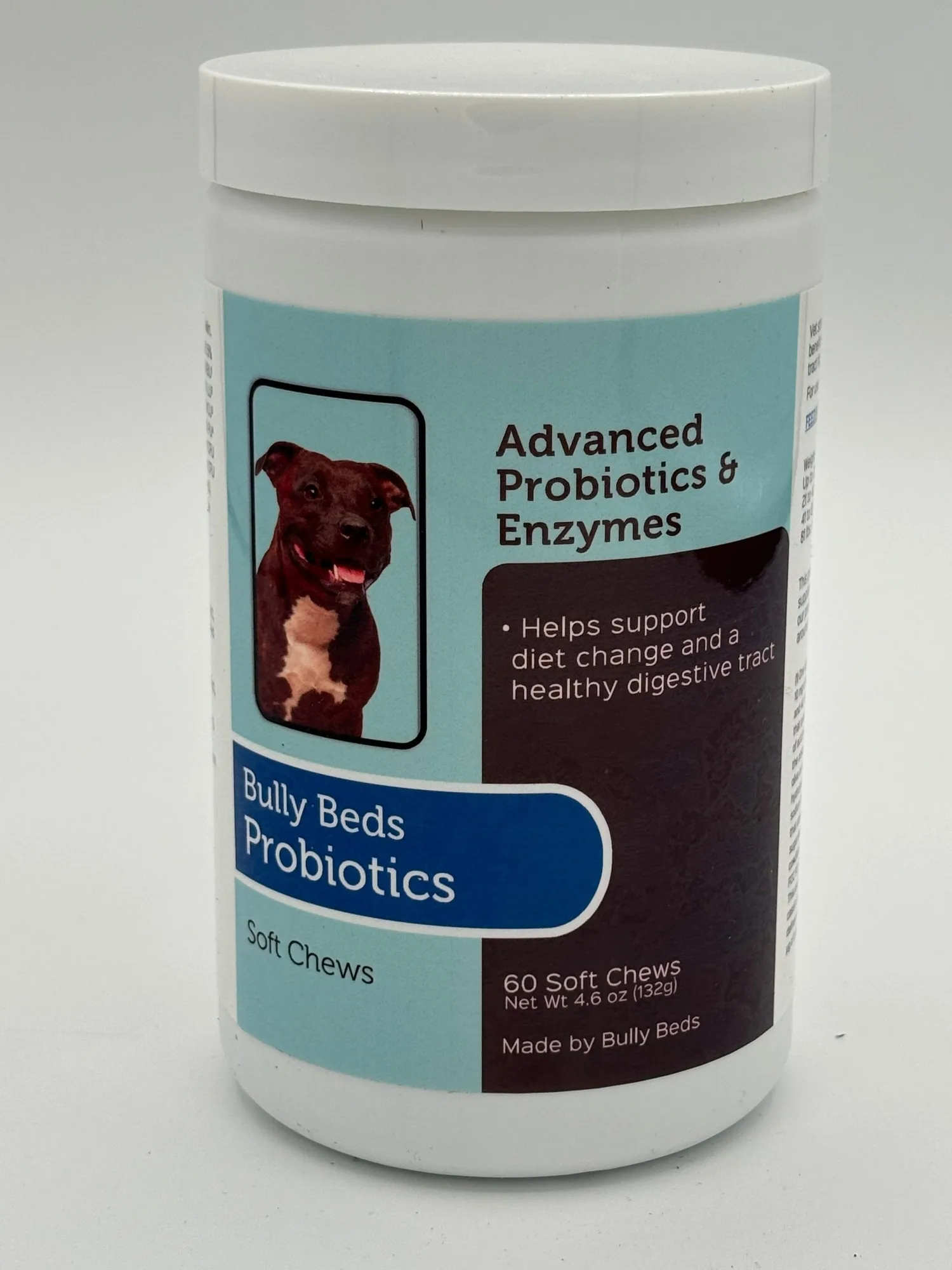
- Probiotic Chews For Dogs: Great for pets with sensitive stomachs and digestive issues. Helps support diet change and a healthy digestive tract. Safe for everyday use to help your dog utilize all the nutrients from their daily diet. 60 count tub, made in the USA. Skin problems and digestive health are often linked. A daily probiotic can support overall wellness while you treat the skin from the outside, but it is not a substitute for veterinary care.
Chlorhexidine wipes are a practical tool for minor skin and ear issues in dogs and cats when used correctly. Keep them for intact skin, wipe once per area, and let the skin dry. If you are unsure whether a wipe is right for your pet, ask your vet. For a ready-to-use option, Chlorhexidine Wipes for Dogs & Cats from Bullybeds.com offer 2% chlorhexidine and 1% ketoconazole in a 60-count tub.