Quick Answer
For reliable winter camping, choose a 0°F sleeping bag with synthetic insulation for wet conditions or down for maximum packability. Ensure a snug mummy fit and features like a draft tube and adjustable hood.
Synthetic vs. Down Insulation
Synthetic insulation, like that in the Wild Aspen 0™ Large Sleeping Bag, retains warmth even when damp and dries faster, making it ideal for humid winter environments or if you expect condensation. Down offers a better warmth-to-weight ratio but loses nearly all insulating value when wet. For most winter campers, synthetic is the more forgiving choice.
Fit and Movement
A mummy shape conserves heat by reducing air volume, but it can feel restrictive. The Sojourn Stretch 0™ Sleeping Bags address this with stretch baffles and Length Locks™, allowing you to adjust the bag's length and move your legs without creating cold spots. If you toss and turn, a bag with some stretch is worth the extra cost.
Decision Rules for Choosing a 0°F Sleeping Bag
- Check the Temperature Rating: Look for a bag rated to 0°F (or lower) by a standard like EN or ISO. A 0°F bag is for survival, not comfort, at that temperature. If you sleep cold, consider a -10°F or -20°F bag.
- Choose Insulation Type: Select synthetic if you camp in wet or humid conditions, or if you want a more affordable option. Choose down if you prioritize low weight and packed size for dry, cold trips. Synthetic is safer for all-around winter use.
- Evaluate the Hood and Draft Tube: A well-designed mummy hood with a drawcord seals in heat around your head. A zipper draft tube prevents cold air from seeping through the zipper. Both are non-negotiable for a 0°F bag. Skip bags without these features for winter.
- Consider Extra Length and Width: A bag that is too short compresses insulation; one too long creates a cold air pocket. Some bags offer length adjustments. A slightly wider footbox can improve comfort without sacrificing warmth. Measure your height and choose a bag that accommodates it without excess space.
- Account for Your Sleeping Pad: Your sleeping bag's insulation compresses underneath you, providing little warmth from the ground. Pair it with an insulated sleeping pad with an R-value of at least 4.5 for winter camping. Your pad is as important as your bag.
Featured Products
-
Wild Aspen 0™ Large Sleeping Bag: The Wild Aspen 0™ Large uses synthetic insulation with a durable, water-resistant micro-polyester shell. You can camp confidently in damp conditions without worrying about your bag losing its insulating power.
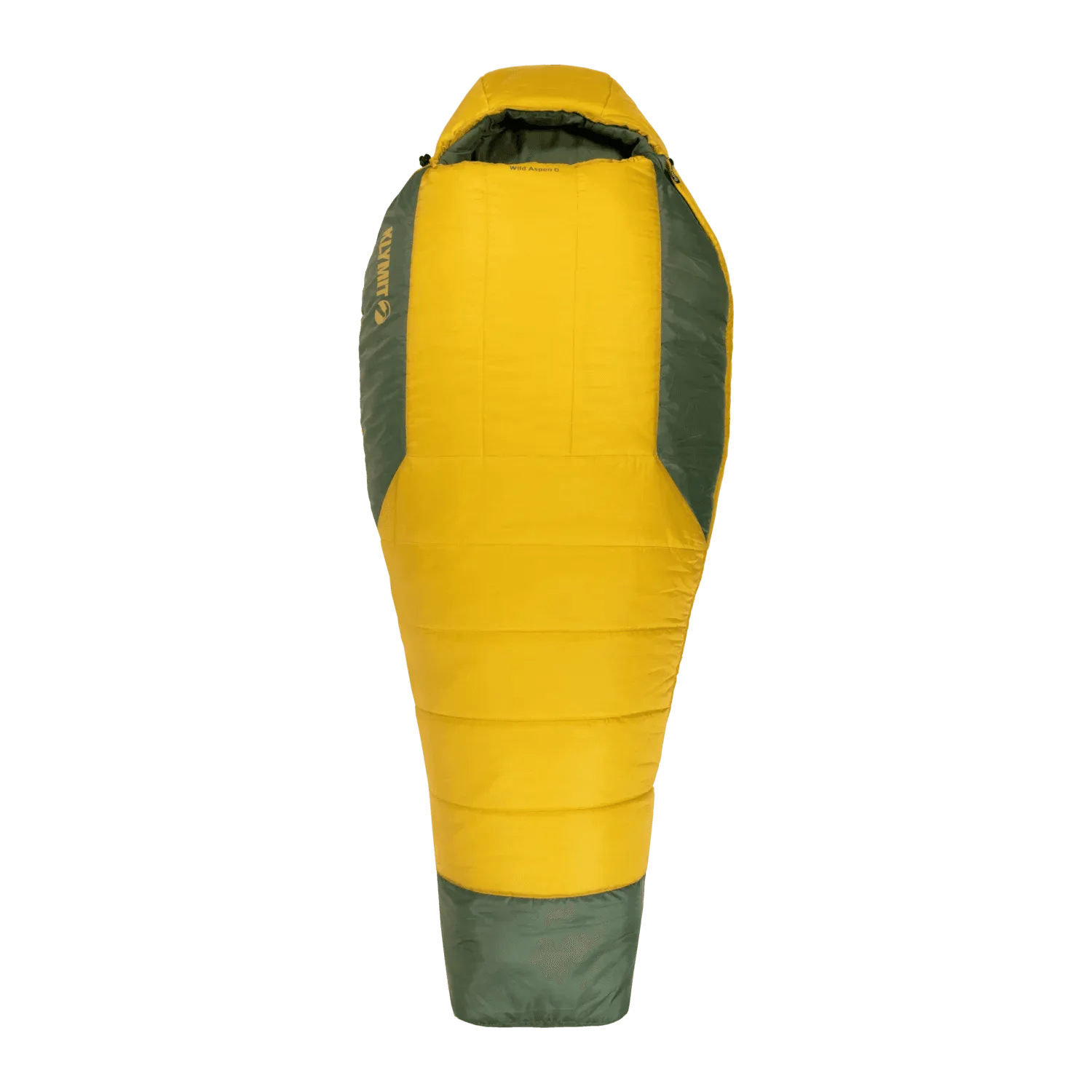
Wild Aspen 0™ Large Sleeping Bag
-
Sojourn Stretch 0™ Sleeping Bags: The Sojourn Stretch 0™ features stretch baffles for freedom of movement and Length Locks™ to adjust the bag to your height. You get a custom fit that prevents drafts while letting you move naturally, improving comfort and warmth retention.
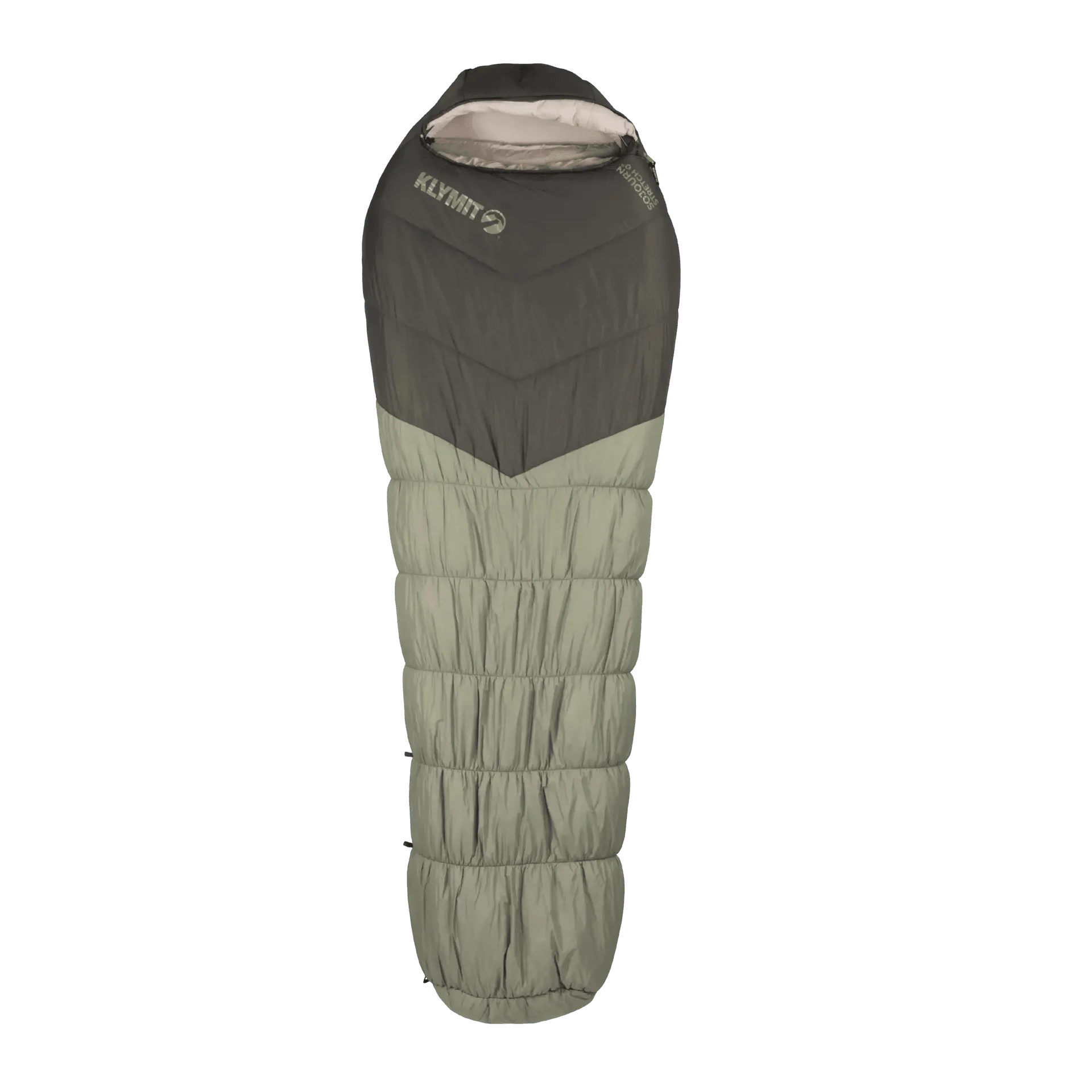
Sojourn Stretch 0™ Sleeping Bags
Who Should Buy What
Best For
- Damp or variable winter conditions: a synthetic 0°F bag like the Wild Aspen 0™ Large
- Campers who want freedom of movement: a stretch bag like the Sojourn Stretch 0™
Not For
- Ultralight backpackers prioritizing minimum weight: consider a high-fill down bag instead
- Camps in consistently dry, extreme cold: a down bag may be more packable