Why Container Size Matters for Food Shipping
Shipping food means keeping it at the right temperature from departure to arrival. The size of your insulated foam container directly affects how well it holds cold temperatures, how much product fits, and how much you pay per shipment. A container that's too large wastes space and refrigerant; one that's too small may not protect the contents or meet carrier requirements.
This guide helps you match container dimensions to your typical food items, shipping volume, and cold pack strategy.
Insulated Foam Container Options at a Glance
-
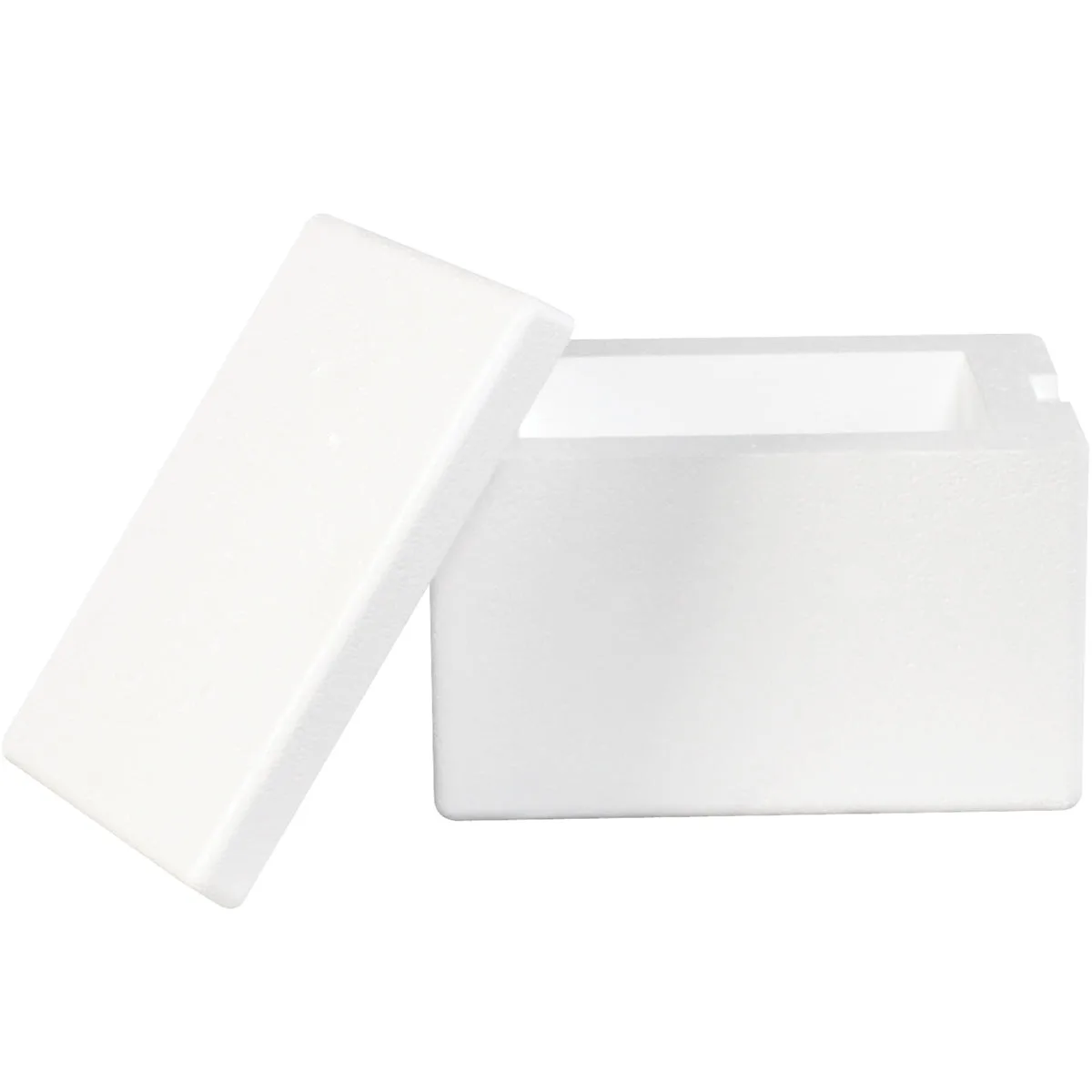
12 x 10 x 9 Insulated Foam Containers: 12 x 10 x 9 Insulated Foam Containers are made from thick, 1 1/2" polystyrene foam and are lightweight, reusable, and recyclable. This size suits larger food items such as multi-serving meal kits or bulk ingredients. The thick foam provides strong thermal protection for longer transit times. Follow the supplied product instructions for proper use.
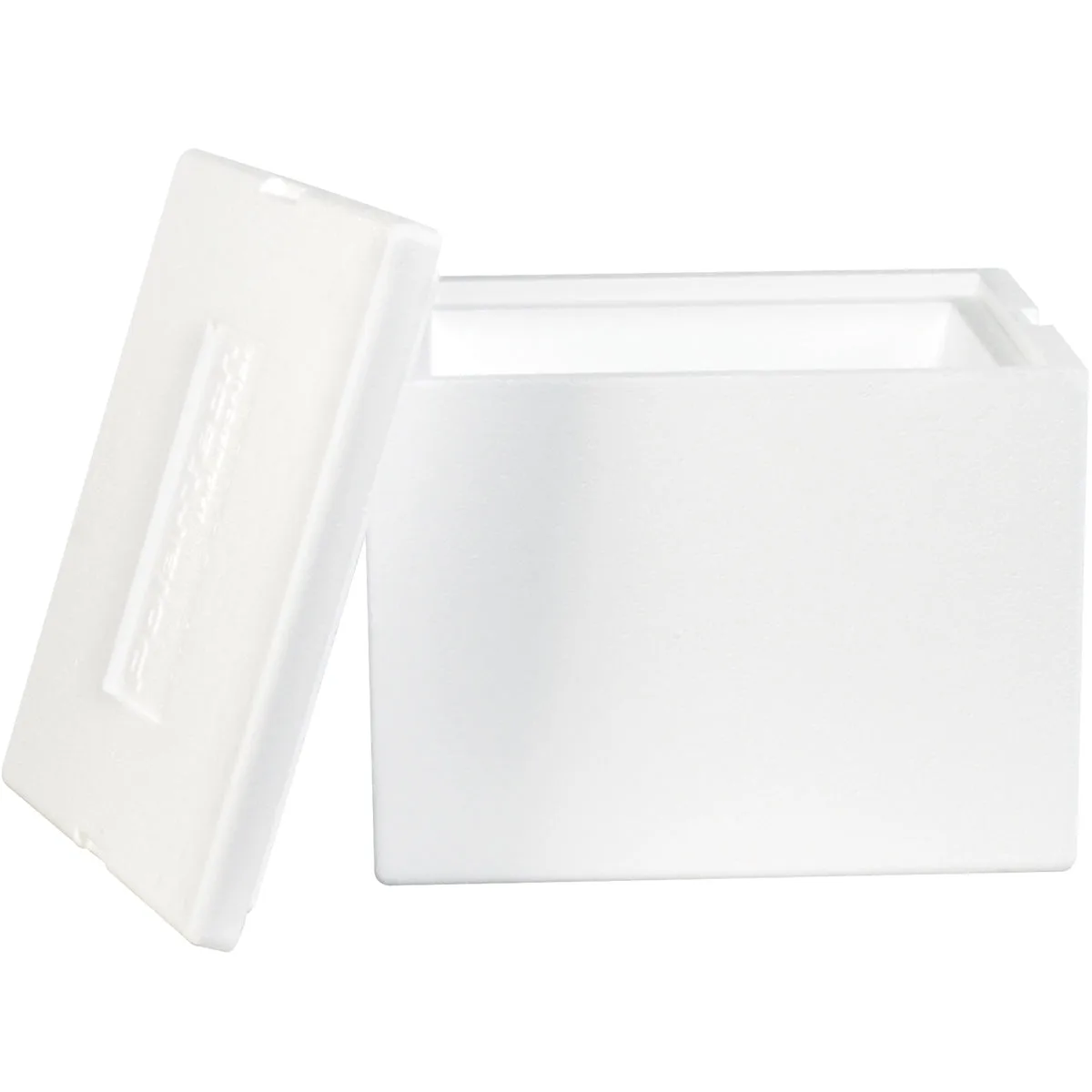
12 x 10 x 9 Insulated Foam Containers
-
8 x 6 x 9 Insulated Foam Containers 8/Case: 8 x 6 x 9 Insulated Foam Containers are sold in an 8/case pack, made from 1 1/2" polystyrene foam, and are lightweight, reusable, and recyclable. The 8x6x9 size is a good fit for single-serving meals, small produce boxes, or narrow bottles. Buying by the case reduces per-unit cost for frequent shippers.
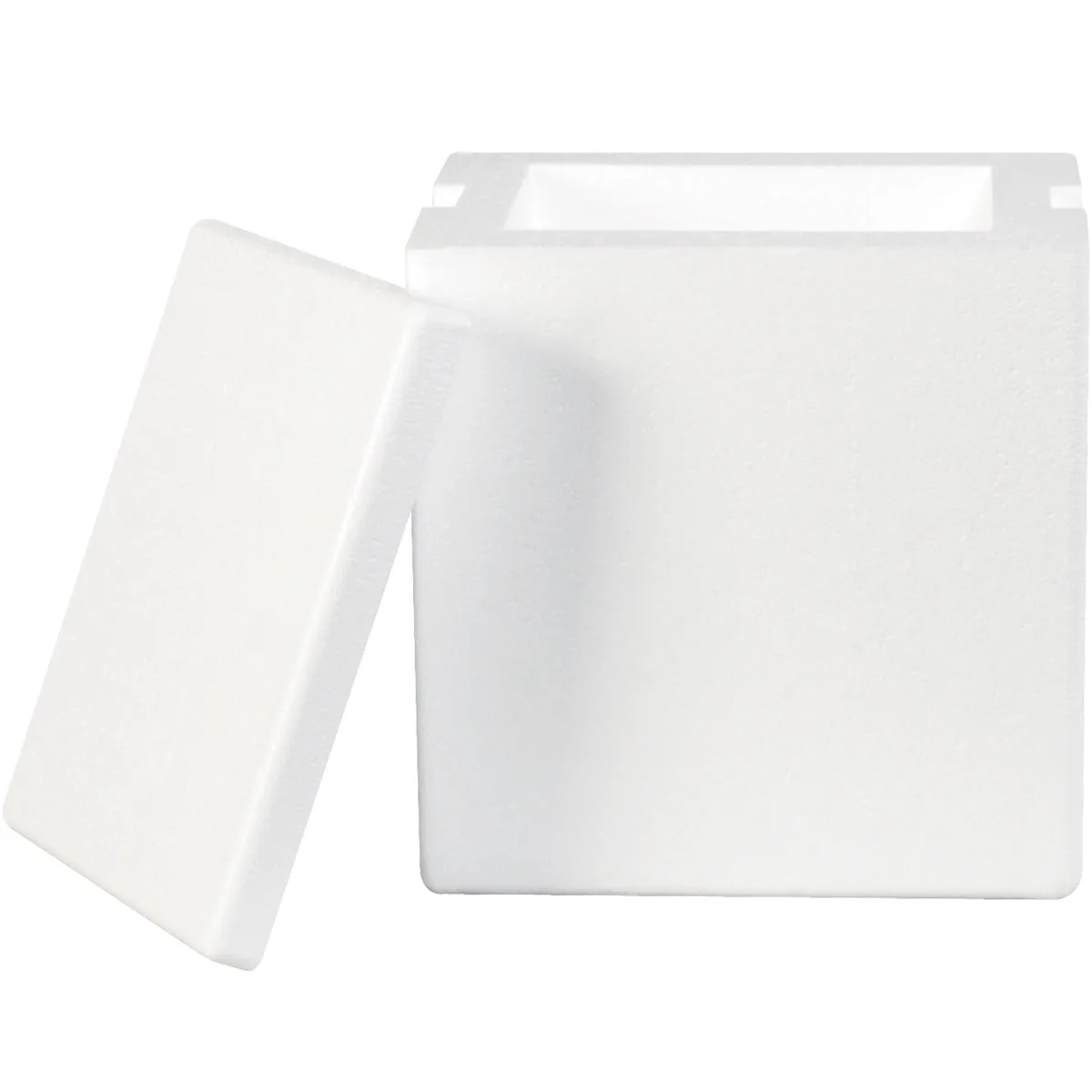
8 x 6 x 9 Insulated Foam Containers 8/Case
-
8 x 6 x 4 1/4 Insulated Foam Container 12/Case: 8 x 6 x 4 1/4 Insulated Foam Container comes in a 12/case pack, made from 1 1/2" polystyrene foam, and is lightweight, reusable, and recyclable. This shorter container works well for flat items like refrigerated snacks, butter packs, or small frozen treats. The larger case count is economical for high-volume operations.
Match Container Dimensions to Your Food Items
Start by measuring your product. A container that leaves too much empty space lets cold air escape and forces you to use more refrigerant than necessary. On the other hand, a container that is too tight can crush or damage food.
For single meal kits or small produce, the 8 x 6 x 9 container (8/case) is a practical choice. If you need to ship flatter items such as refrigerated pastries or small frozen packs, the 8 x 6 x 4 1/4 container (12/case) gives you a lower profile. For larger portions or multiple items in one box, the 12 x 10 x 9 container offers more interior volume.
Consider Case Count and Shipping Volume
If you ship food regularly, buying containers in multi-pack cases lowers the cost per unit. The 8 x 6 x 9 container comes in an 8-pack case, while the 8 x 6 x 4 1/4 container comes in a 12-pack case. The 12 x 10 x 9 container is sold individually, which is convenient for occasional shipments or testing a new size.
Keep in mind that all these containers are made from thick 1 1/2" polystyrene foam. They are lightweight, reusable, and recyclable, so you can reuse them for future shipments or recycle them after use.
Cold Pack Compatibility
These insulated foam containers are designed to be used with refrigerants such as Cold Packs. When selecting a container size, leave enough room for the cold pack plus your food items. A general rule is to fill any remaining empty space with a cold pack or cushioning material to keep the temperature stable and prevent shifting during transit.
The thick foam walls protect contents from crushing and breakage, which is especially important when shipping fragile food items like glass bottles or delicate pastries.