Quick answer
For most single-person interviews, buy a compact, battery-friendly LED panel or on-camera light you can place close to the subject rather than a large fixture you cannot rig. Match the light's colour control to your workflow, check that its brightness holds up at your usual camera distance, and keep the weight low enough for your tripod, gimbal or camera cage. If you shoot indoors with mixed lighting, a bi-colour panel saves time in the edit.
Start with distance, not wattage
Brightness falls off quickly as you move a light away from your subject, so the number that matters is how the fixture performs at the distance you will actually use. A small panel placed two feet from a seated interviewee can look brighter and softer than a larger unit pushed six feet back. Before comparing models, measure your typical interview setup: camera-to-subject distance, where a stand or clamp can safely sit, and whether you have mains power or must run on batteries.
If you cannot move the light close, you need a brighter fixture or a modifier that focuses the beam. If you can move it close, a compact light is usually the smarter buy because it rigs faster, packs smaller and puts less strain on lightweight stands.
Colour control: fixed, bi-colour or RGB
Fixed-colour lights are simplest and often the most affordable, but they force you to correct colour with gels or in post. Bi-colour lights let you dial between warmer and cooler settings to match tungsten room lights, daylight through a window or a mixed practical scene. RGB and effect-capable lights add creative colour, which is useful for background accents but rarely necessary for a clean interview key.
Choose bi-colour if you move between locations and cannot control the room. Choose fixed daylight if you mostly shoot outdoors or in studios where you already control the ambient light. Choose an effects light only if you also want coloured backgrounds or practical accents.
Mounting, power and rig weight
Interview lighting lives or dies on how easily you can position it. Check the mount type, whether the light has a built-in battery or takes cells, and whether it can run from USB power. A light that only works on mains power limits you to rooms with a socket within cable reach. A light that runs on camera batteries or USB power banks is far more flexible for run-and-gun interviews.
Weight matters as much as brightness. A heavy panel on a small tripod or gimbal will droop, drift or overload the head. Weigh your support gear's safe load before you buy, and prefer a lighter fixture you can actually rig over a brighter one that stays in the bag.
Softness and the size trade-off
A bare LED panel produces a harder, more specular light than the same panel behind a diffuser. Small lights can still look flattering if you get them close and add a diffuser, but the softest interview light is usually the largest one you can position near the subject. That is the core trade-off: compact lights are easy to rig but need to be close and diffused, while large soft sources are flattering but slower to set up.
If you are buying one light for interviews, prioritise a compact panel you will actually carry, then budget for a diffuser or softbox later.
Decision rules for interview lighting
- If you shoot in mixed indoor light: Choose a bi-colour light so you can match warm room lamps or cool window light without gels. Bi-colour saves edit time on location.
- If you shoot solo and move between rooms: Choose a compact, battery or USB-powered panel you can clamp or stand close to the subject. Portability beats raw output for one-person crews.
- If your subject sits more than six feet from the light: Choose a brighter fixture or a focused modifier, because small panels lose impact quickly at distance. Measure your real distance before buying.
- If you already own a gimbal or small tripod: Check the safe load and pick the lightest fixture that meets your brightness needs. A light that droops is worse than a dimmer one that stays put.
Product facts
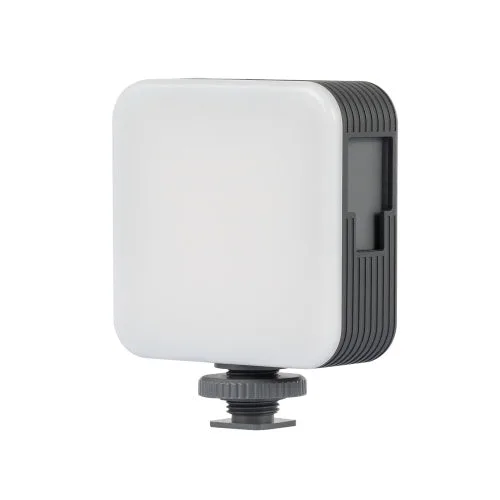
- SmallRig Vibe P96 LED Video Light (3286BC): SmallRig Vibe P96 LED Video Light (3286BC) is a compact LED light for cameras, smartphones and portable video rigs, with creative lighting effects and portable illumination. A light this size suits close-position interview setups and run-and-gun rigs where a full panel would be impractical, and the effects mode gives you optional background colour without a second fixture.
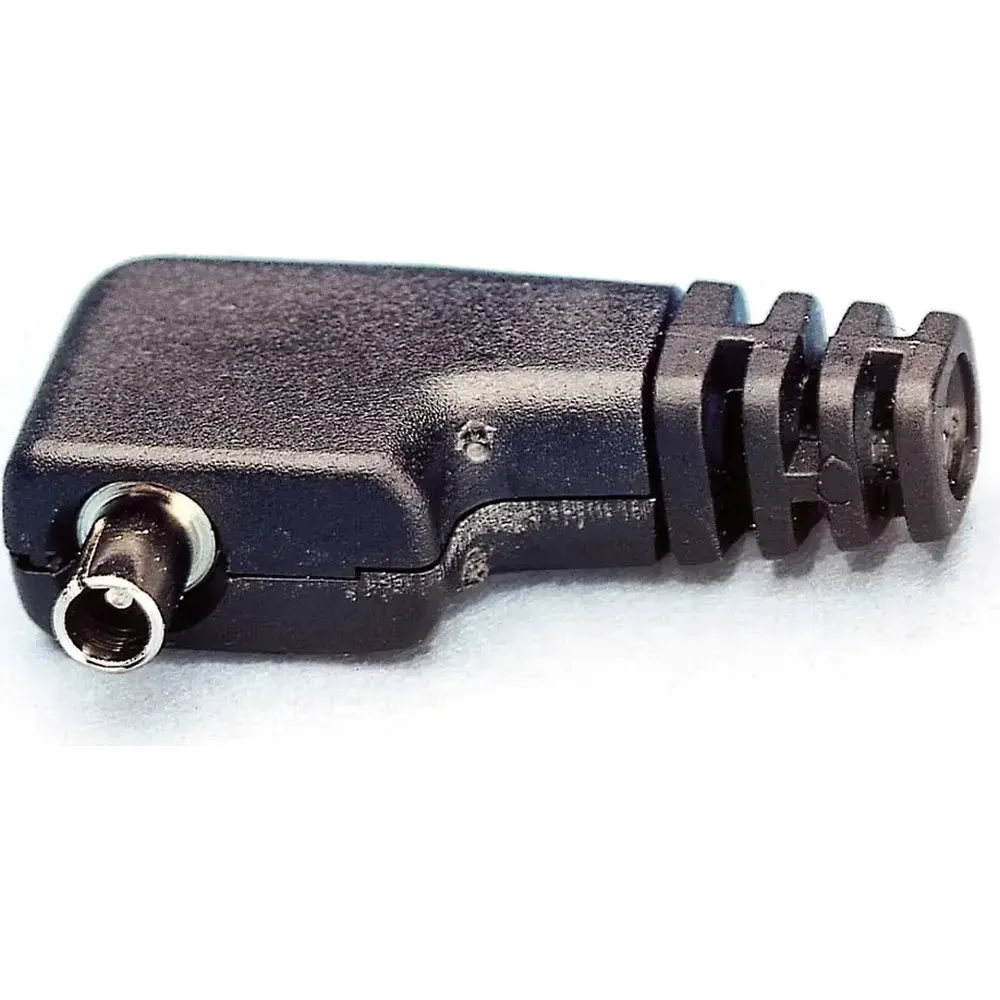
- Kaiser Right Angle Male Plug: Kaiser Right Angle Male Plug is a right-angle male plug to DIN 19 003 (PC) standards with soldering tags, intended for self-fitting to flash cables. If you repair or build your own sync and trigger cables, this is the connector that keeps a cable run tidy behind a camera or light stand, so your lighting rig stays serviceable instead of needing replacement cables.
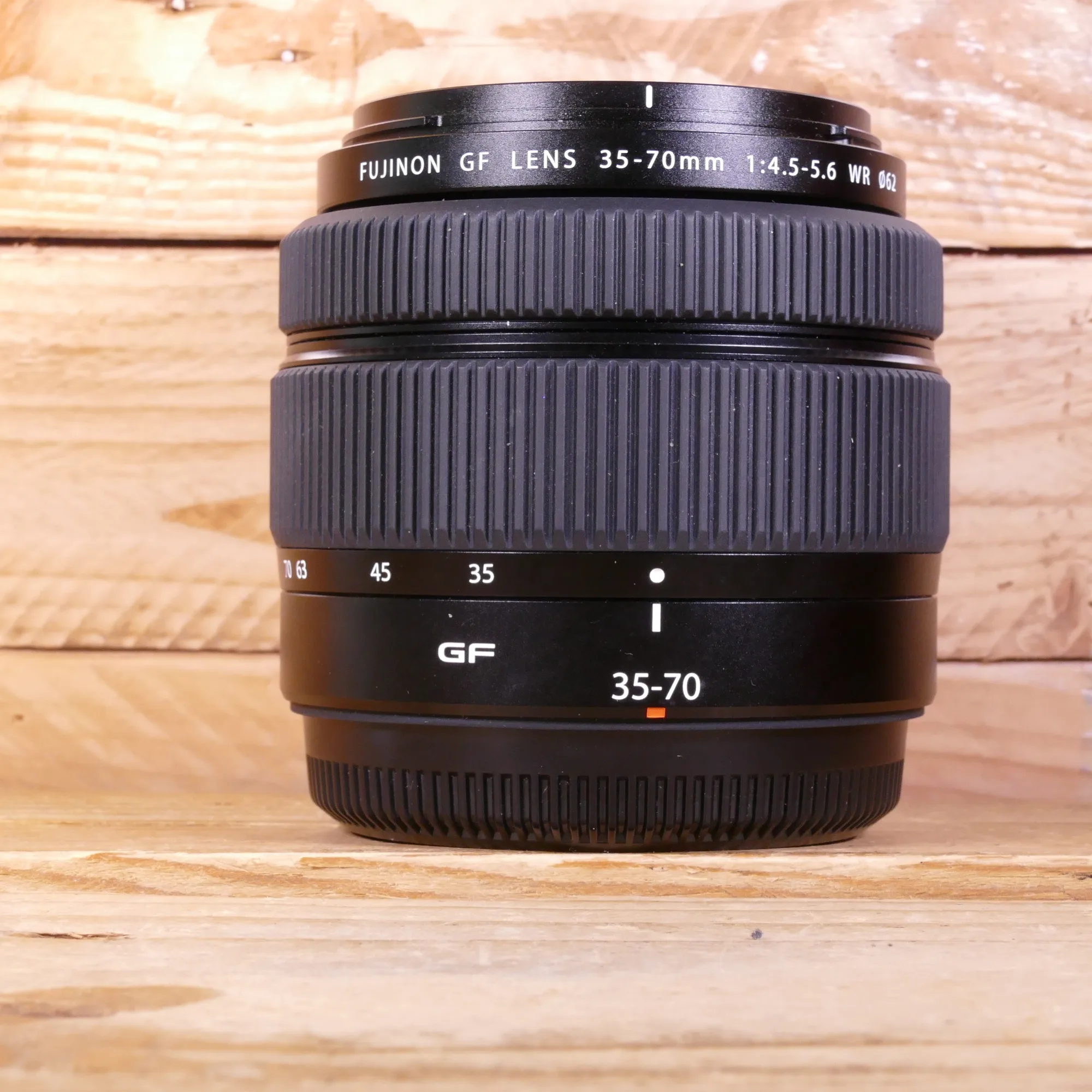
- Used Fujifilm GF 35-70mm F4.5-5.6 WR Lens: Used Fujifilm GF 35-70mm F4.5-5.6 WR Lens is a compact, weather-sealed medium format zoom covering versatile focal lengths. For interview shooters who want a tighter framing without moving the camera, a weather-resistant zoom keeps the shoot moving in changeable conditions; buying used is a way to add that flexibility at a lower cost.
Who should buy which light
Best for
- Solo interview shooters who need a compact light they can rig close to the subject
- Creators who shoot in mixed indoor lighting and want adjustable colour without gels
- Run-and-gun setups where a battery or USB-powered panel is more useful than a mains-only fixture
Not for
- Studio crews who can rig large soft sources and want maximum softness over portability
- Shooters who need very high output at long distances and cannot move the light closer
- Buyers who want a single fixture to light a full group scene without additional modifiers