When you sit down for a game of bridge or poker, the last thing you want is a deck that feels awkward in your hands. Yet many players overlook the importance of card size, focusing only on design or brand. The truth is, the right card size can significantly improve your comfort, shuffling ease, and overall enjoyment.
In this guide, we'll break down the differences between bridge and poker size cards, explain how hand size influences your choice, and help you decide whether jumbo index cards are right for you. By the end, you'll know exactly what to look for when buying your next deck.
Bridge vs Poker Size: What's the Difference?
The two most common playing card sizes are bridge size and poker size. Bridge cards measure 2.25 inches by 3.5 inches, while poker cards are slightly wider at 2.5 inches by 3.5 inches. The extra width of poker cards can make them feel bulkier, especially for players with smaller hands.
Bridge cards are the standard for contract bridge and many European card games, while poker size is popular in the United States for poker and other casual games. Your choice often depends on the game you play most, but personal comfort is equally important.
- Bridge size: narrower, easier to hold for smaller hands, standard for bridge tournaments.
- Poker size: wider, more surface area for reading cards, preferred by many poker players.
How Hand Size Affects Card Comfort
If you have smaller hands, a wider poker-size card can stretch your fingers and make it harder to hold a full hand. Conversely, players with larger hands may find bridge-size cards too narrow, causing them to feel cramped. The key is to test different sizes and see which one feels most natural.
Consider how many cards you typically hold. In bridge, you often hold 13 cards, so a narrower card can be a significant advantage. In poker, you rarely hold more than two or three cards at a time, so width matters less. Think about your primary game and hand size when deciding.
- Measure your hand span: from thumb to pinky when spread comfortably.
- If you often hold many cards, bridge size may reduce strain.
The Role of Jumbo Index Cards
Index size refers to the size of the numbers and letters in the corners of the cards. Standard index is fine for most players, but jumbo index cards feature larger, easier-to-read numbers. This can be a game-changer for players with vision issues or those who play in dim lighting.
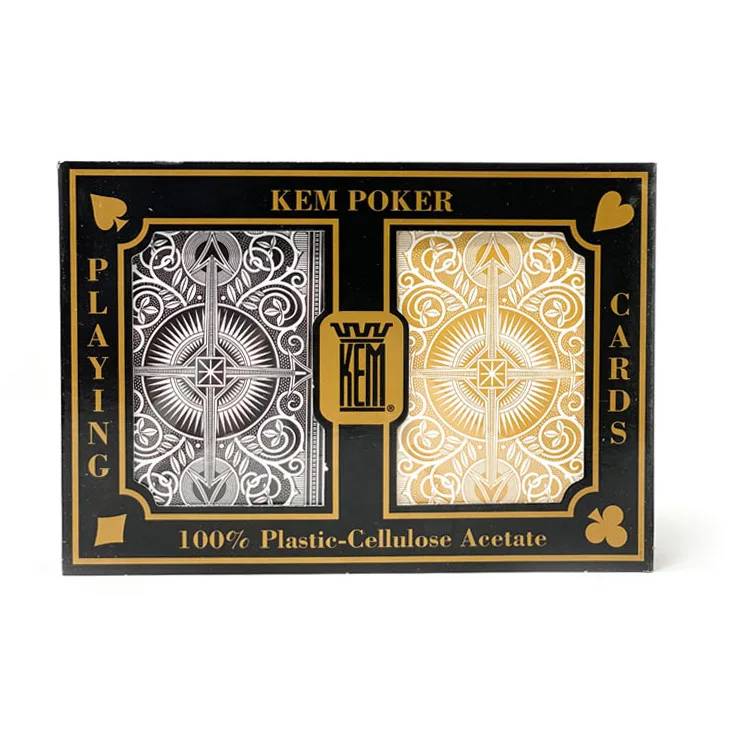
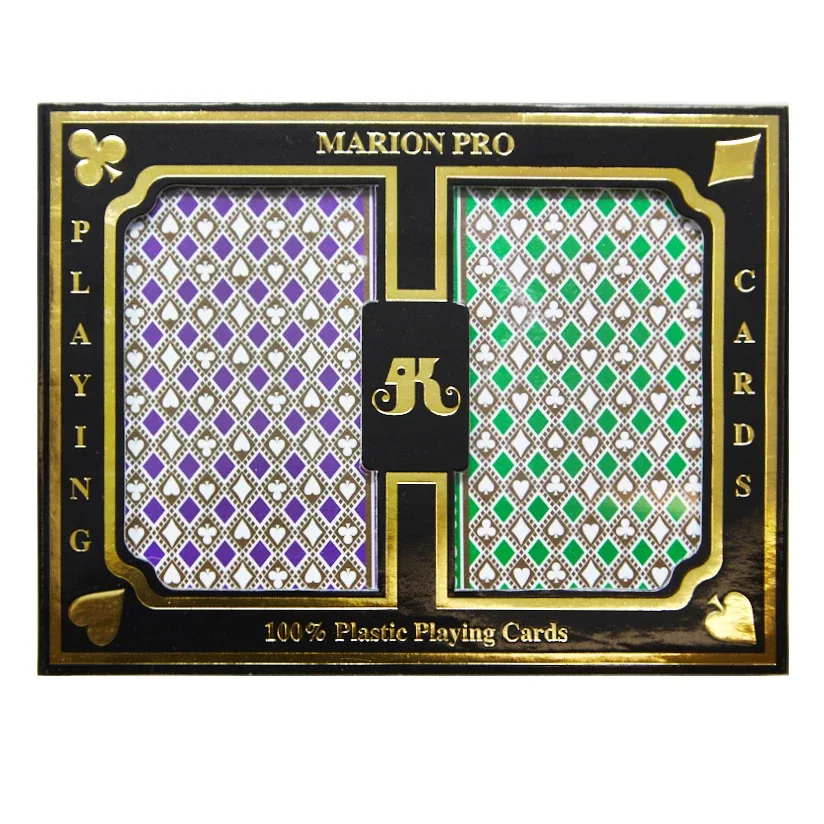
Jumbo index cards are available in both bridge and poker sizes. For example, the Marion Green / Purple Diamond Bridge Jumbo Index offers a striking design with large, clear indices, making it ideal for bridge players who want readability without sacrificing comfort. Similarly, the Kem Arrow Bridge Black/Gold Jumbo Index 2 Deck Set provides the same jumbo readability with a classic look.
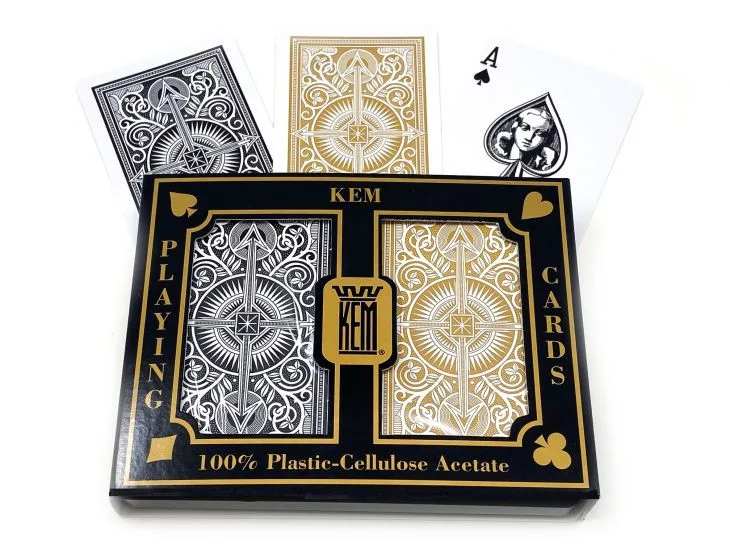
Kem Arrow Bridge Black/Gold Jumbo Index 2 Deck Set
- Jumbo index reduces eye strain during long sessions.
- Ideal for older players or those who play in low-light environments.
Material Matters: Plastic vs Paper
While size is crucial, the material also affects how a card feels in your hand. Plastic cards, like those from KEM, are more durable and often have a smoother finish, which can make shuffling easier. Paper cards are cheaper but wear out quickly and can become sticky, impacting comfort.
If you play regularly, investing in a high-quality plastic deck is wise. The Kem Arrow Playing Cards: Black/Gold, Bridge Size 2-Deck Set offers the durability of plastic with the classic bridge size, ensuring a comfortable grip and long-lasting performance.
- Plastic cards resist bending and moisture, maintaining shape.
- Paper cards are fine for casual play but may not last.
Other Factors to Consider: Cut Cards and Trays
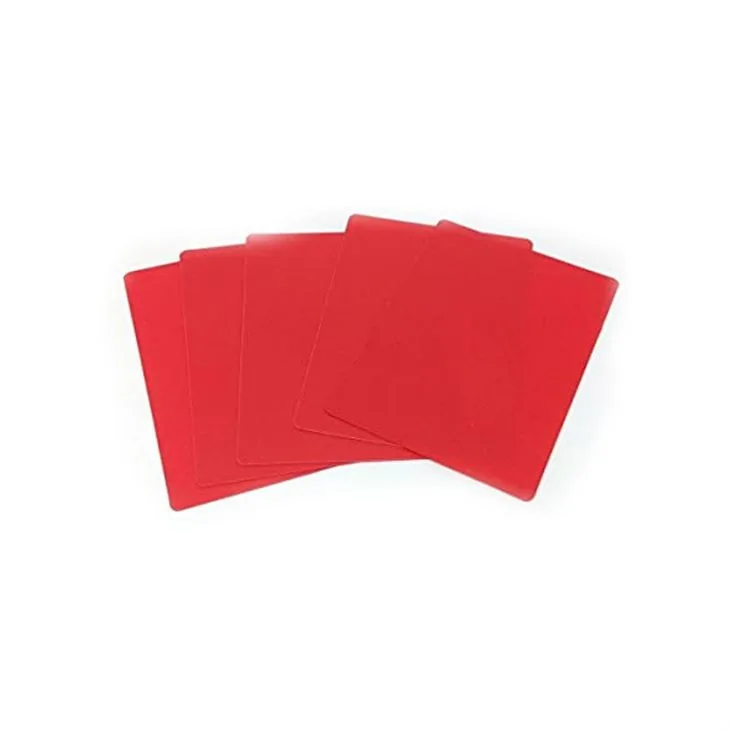
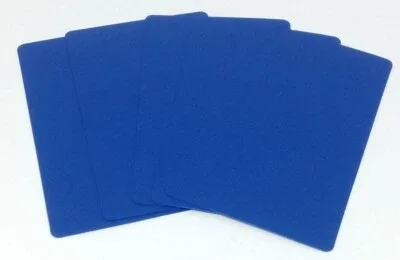
Beyond the cards themselves, accessories like cut cards and card trays can enhance your playing experience. Cut cards are used to protect the bottom card and can also help with card handling. For instance, Cut Cards: Narrow Size, Red (Set of 4) are designed to fit bridge-size cards perfectly, while Cut Cards: Wide Size, Blue (Set of 4) match poker-size decks.
A card tray can keep your deck organized and prevent cards from sliding around. The Card Tray: Plastic, White is a simple, durable option that works with any card size. These small additions can make a big difference in how smoothly your game runs.
- Match cut card size to your deck size for a perfect fit.
- Use a card tray to protect cards and keep them in order.
Tips for Testing Card Sizes
Before committing to a full set, try borrowing different sizes from friends or purchasing a single deck to test. Play a few hands and pay attention to how your hands feel after an hour. Do you experience fatigue or cramping? That's a sign the size may not be right.
Also, consider the game's pace. Fast games like bridge benefit from cards that are easy to handle, while slower games like poker allow for more leisure. Ultimately, the best card size is the one that feels like an extension of your hand.
- Test both sizes with a full hand of cards.
- Play a complete session to assess comfort over time.
Choosing the right playing card size is a personal decision that affects your comfort and performance. Whether you prefer the narrow profile of bridge cards or the wider feel of poker cards, prioritize what feels best in your hands. Consider jumbo index for readability and plastic material for durability. Ready to upgrade your deck? Explore the Kem Arrow Bridge Black/Gold Jumbo Index 2 Deck Set for a perfect blend of size, style, and function.