Quick answer
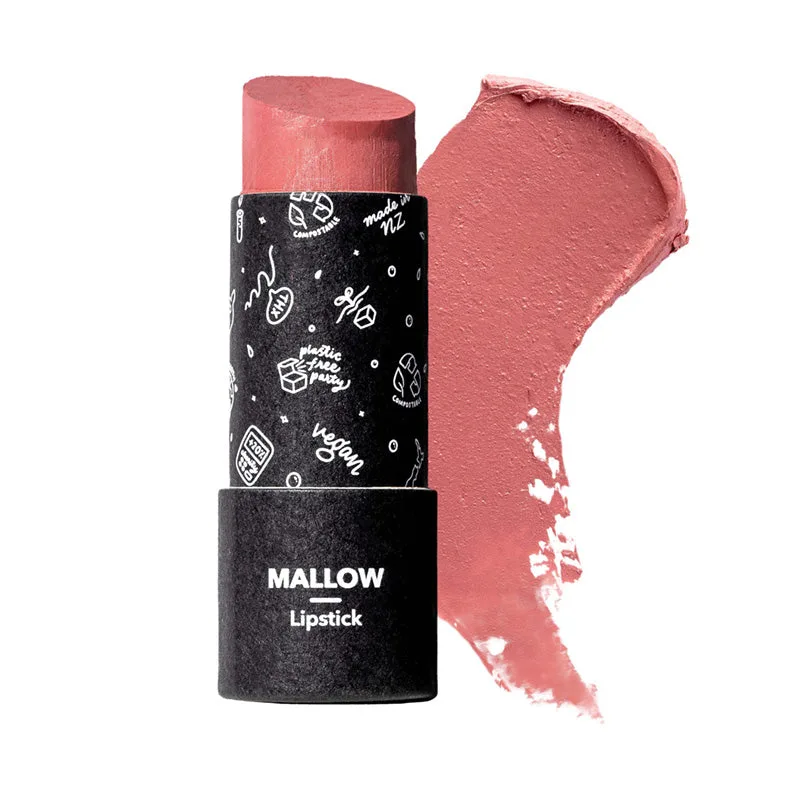
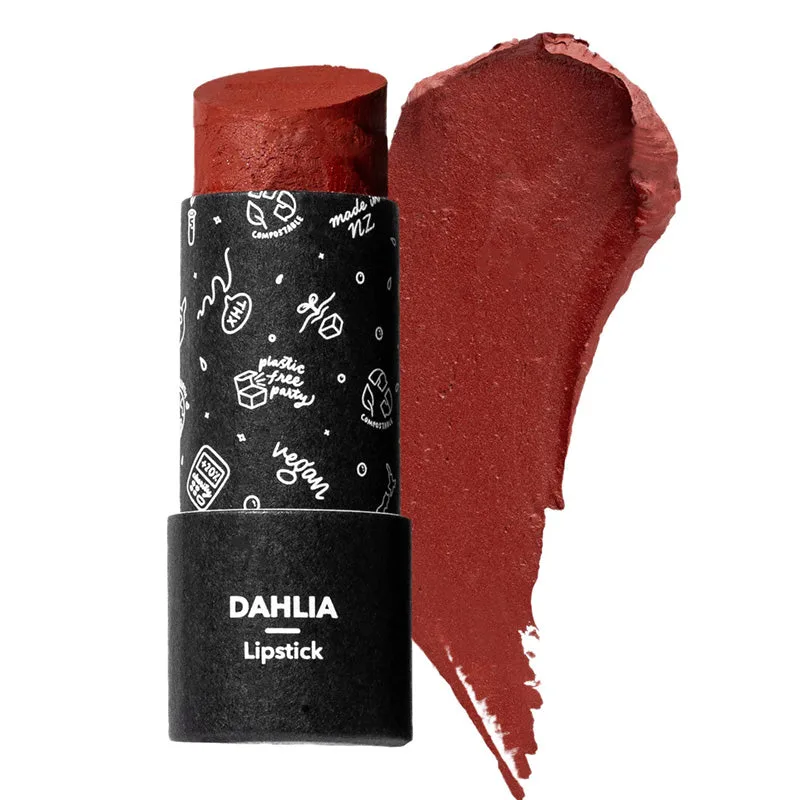
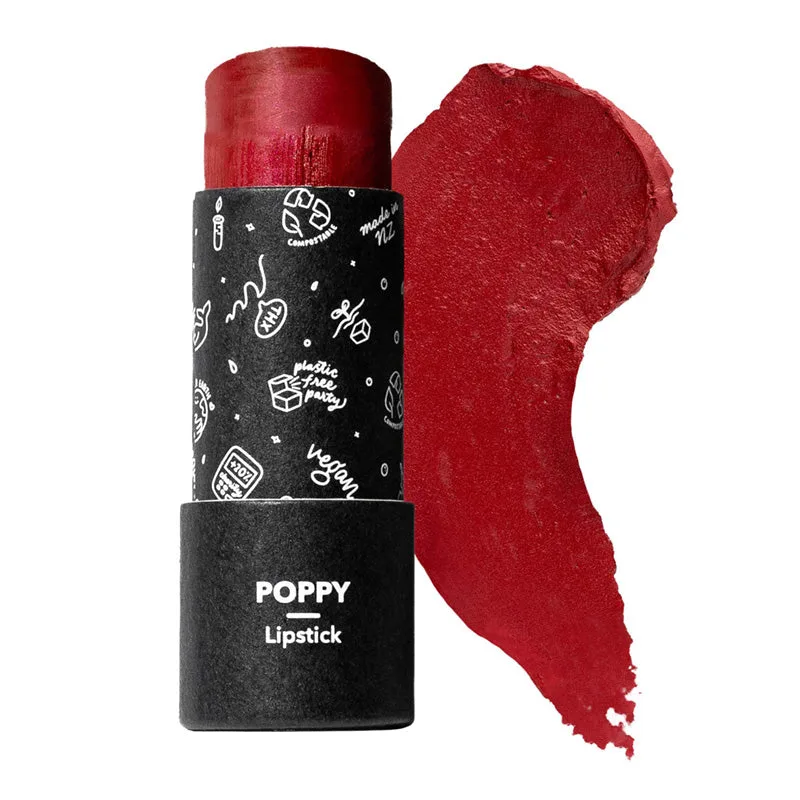
Start with your undertone, not your skin depth. Warm or golden undertones look most at home in a terracotta brown lipstick like Dahlia, while cool or pink undertones suit a deep berry lipstick like Tulip. If you want one shade that works on almost everyone, a ruby red like Poppy is the safest bet, and Mallow is the soft blush pink for low-contrast everyday wear.
Find your undertone before you shop
Undertone is the subtle cast beneath your skin, and it matters more than whether you are fair, medium, or deep. Check the veins on your inner wrist in daylight: greenish veins usually mean warm, bluish or purple veins usually mean cool, and a mix of both means neutral. If jewelry is easier, gold flatters warm undertones and silver flatters cool ones. Once you know your undertone, shade selection becomes a shortlist instead of a guessing game.
- Warm undertones: reach for brick, terracotta, and brown-based reds.
- Cool undertones: reach for berry, plum, and blue-based reds.
- Neutral undertones: most shades work, so choose by contrast and finish preference.
Match shade depth to your natural lip contrast
Contrast is how much darker your natural lips are than your skin. Low-contrast faces often look best in shades one or two steps deeper than their bare lip, which is why a soft blush pink reads polished rather than washed out. High-contrast faces can carry a bold ruby or deep berry without the color wearing them. If you are unsure, dab the bullet on your fingertip and hold it next to your bare lips in daylight; the shade should look like a slightly intensified version of what is already there, or a deliberate jump of two to three steps for evening.
Why satin matte changes the rules
Satin matte sits between a flat matte and a cream: it has a soft sheen that keeps lips looking full while still lasting well. That finish makes deeper shades easier to wear because the slight reflectivity stops berry and brown tones from looking flat or harsh. It also means you can dab and blend for a stain or build to full opacity, so one tube covers both daytime and evening. If your lips are dry or lined, satin matte is usually a kinder choice than a true matte, especially when the formula includes nourishing oils.
Build a small, flexible lip wardrobe
You do not need ten lipsticks. Three shades cover nearly every situation: a warm everyday neutral, a cool statement color, and a soft pink for low-makeup days. A terracotta brown handles work and brunch, a deep berry or ruby red handles evenings and events, and a blush pink handles the no-makeup-makeup look. If you only buy one, choose the shade that flatters your undertone and matches the contrast level you actually wear most often, not the one you admire on someone else.
Decision rules: pick your shade in three checks
- Rule 1: Undertone first: Warm or golden undertones: choose Dahlia for a terracotta brown or Poppy for a ruby red. Cool or pink undertones: choose Tulip for a deep berry or Mallow for a blush pink. Neutral undertones: any of the four works, so decide by contrast instead. If two shades both seem to work, the warmer one will usually flatter warm undertones more over a full day.
- Rule 2: Contrast second: Low contrast between lips and skin: stay with Mallow or a dabbed Dahlia. Medium contrast: Tulip or a built-up Dahlia. High contrast: Poppy worn bold, or Tulip at full opacity. A shade more than three steps deeper than your bare lip will read as a deliberate bold look, not an everyday one.
- Rule 3: Occasion third: Work and daytime: Dahlia dabbed or Mallow. Evenings and events: Poppy or Tulip at full strength. If you want one tube for everything, choose Dahlia for warm undertones and Tulip for cool undertones. Buy the shade that matches the version of you that shows up most often, then add a bold shade second.
Shades worth comparing
- Dahlia™ Satin Matte Lipstick: A warm, brick red lipstick with rich brown undertones; dab lightly and blend for an everyday terracotta tint or wear it bold. The brown base makes it a natural fit for warm and golden undertones, and the blendability means one tube can be a sheer stain or a full statement.
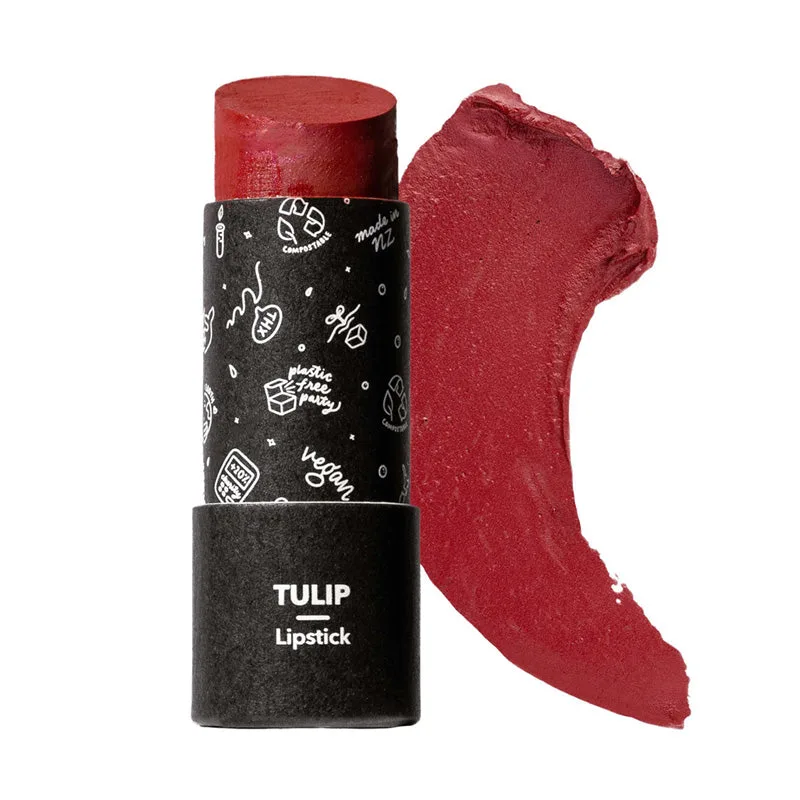
- Tulip™ Satin Matte Lipstick: A deep berry red lipstick with neutral undertones; dab lightly for a juicy berry-hued stain or wear it bold. Neutral undertones make it more forgiving than a purely cool berry, so it suits cool and neutral skin without turning harsh.
- Poppy™ Satin Matte Lipstick: A universally-flattering, statement-making ruby red lipstick described as classic old Hollywood glamour. If you want one bold shade that works across undertones, a true ruby red is the lowest-risk choice for events and photos.
- Mallow™ Satin Matte Lipstick: A soft, cool-toned peony pink lipstick that is subtle on its own or worn with a darker lip liner for dimension. Best for low-contrast everyday wear; pairing it with a liner is the practical way to stop a pale pink from disappearing on deeper lips.
Who each shade suits
Best for
- Warm and golden undertones wanting an everyday terracotta brown that also builds to a bold lip
- Cool and neutral undertones wanting a deep berry that can be dabbed as a stain or worn full
- Anyone who wants one low-risk bold red for events, photos, and evenings
- Low-contrast or minimal-makeup wearers who want a soft blush pink they can define with liner
Not for
- Shoppers who want a true flat matte finish rather than a soft satin sheen
- Anyone looking for a sheer tinted balm rather than a buildable lipstick
- People who want a single shade to cover every undertone and occasion without compromise