Quick Answer
For dedicated chromosphere imaging, pair a Calcium-K Module with your existing H-alpha scope, or choose an all-in-one Calcium H-line QUARK for a simpler setup.
Calcium-K vs. H-Alpha: What You See Matters
A Calcium-K filter isolates the 393.4 nm emission line, revealing a cooler, lower layer of the chromosphere than H-alpha. This gives you different features like plages and bright network elements. If you already own an H-alpha scope, adding a Ca-K filter expands your solar toolkit without replacing your main setup.
All-in-One vs. Modular: The Core Trade-Off
An all-in-one design like the Calcium H-line QUARK integrates adapters and snouts into a single assembly, reducing complexity and potential light leaks. A modular Calcium-K Module requires selecting a blocking filter size separately, offering more flexibility for different telescopes but demanding careful compatibility checks.
Decision Rules for Choosing a Calcium-K Filter
- Check Your Telescope’s Back Focus: Measure the available back focus on your H-alpha scope. A modular Calcium-K Module often requires more in-travel than an all-in-one QUARK. If your scope has limited back focus, the integrated design is safer. Measure back focus before purchasing.
- Decide on Blocking Filter Size: The Calcium-K Module lets you choose a blocking filter size (e.g., 12mm or 25mm). Larger sizes suit longer focal lengths but cost more. The QUARK comes with a fixed blocking filter, so no choice is needed. Select blocking filter size based on your telescope’s focal length.
- Budget for the Complete Solution: The QUARK (USD 828.80) includes everything. The Calcium-K Module (USD 662.30) is cheaper upfront but requires a separate blocking filter, which can add USD 200–400. Compare total cost, not just the module price. Add blocking filter cost for the modular option.
- Consider Future Flexibility: If you plan to use the filter on multiple telescopes, the modular Calcium-K Module lets you swap blocking filters or adapters. The all-in-one QUARK is less adaptable but simpler for a single scope. Think about whether you’ll use it on more than one scope.
Product Facts
-
Calcium H-line QUARK: All-in-one design marries adapters, snouts, and Daystar calcium filter into one simple assembly. Simplifies setup and reduces the chance of misalignment or light leaks, ideal for observers who want a straightforward solution.
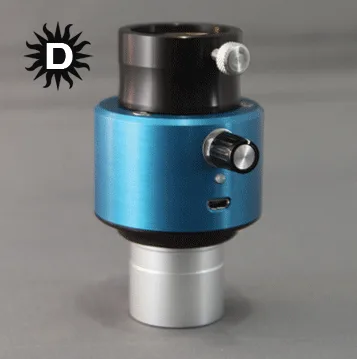
Calcium H-line QUARK
-
Calcium-K Module: Designed for the 393.4 nm Calcium-K line, revealing a slightly lower and cooler chromospheric layer than H-alpha. Allows you to capture complementary solar features without buying a separate telescope, expanding your imaging capabilities.
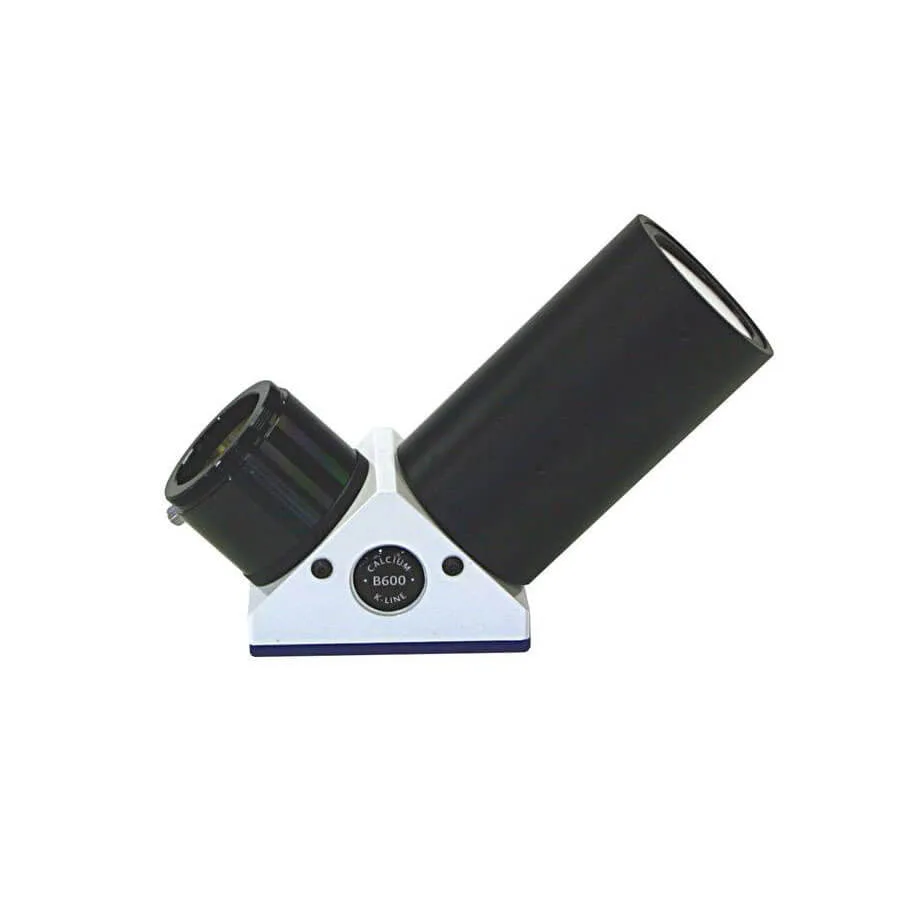
Calcium-K Module
Which Option Fits You?
Best For
- Observers with limited back focus who want a plug-and-play solution (choose the QUARK)
- Imagers who already own a blocking filter and want a lower-cost Ca-K option (choose the Calcium-K Module)
Not For
- Those who need to switch filters between very different telescopes without buying extra adapters (the QUARK is less flexible)