Quick answer
Choose a sensory table that fits your floor space with at least 24 inches of clearance on all sides, then match the depth to your age group: shallow (under 6 inches) for toddlers, deeper (6–9 inches) for preschoolers. Buy the table first, then add only the accessories you will actually rotate weekly.
A sensory table is one of the hardest-working pieces in an early childhood room, but the wrong size or depth turns it into a storage problem. This guide walks through the three decisions that matter most: footprint, depth, and accessory compatibility.
You will also see how a few real products from our catalog fit into those decisions, so you can picture what works in your space before you buy.
Start with size: footprint and clearance
Measure your available floor space first, not the table you like online. A classroom sensory table typically needs 24–36 inches of open floor on all sides so children can stand, reach, and step back without bumping furniture. If you serve two or more children at once, look for a length of at least 36 inches and a width that lets each child reach the center without leaning.
For tight rooms, a narrow rectangular table along a wall preserves walkways better than a round or square model. If you have a dedicated sensory corner, a larger table with a lower rim gives more shared play area. Write down your maximum length, width, and height before comparing any sand and water table size.
- Measure doorways and turns before ordering; assembled tables may not fit through narrow halls.
- Leave at least 24 inches of clearance on the sides children use most.
Match depth to age and material
Sensory table depth controls what you can safely fill and how much material you need. For toddlers, a shallow tub under 6 inches reduces the risk of splashing and makes it easier to reach the bottom. For preschoolers, 6–9 inches supports scooping, pouring, and burying objects without constant refills.
Depth also affects cleanup. Deeper tables hold more sand or water, which means heavier lifting when you empty them. If your table stays in one spot and you drain or scoop in place, a deeper model is fine. If you move it often, a shallower table with a drain plug saves time and your back.
- Check the fill line or maximum capacity before adding water; overfilling is the most common cause of leaks and spills.
- For mixed ages, choose a mid-depth table and use less material for younger children.
Plan accessory storage before you buy
Sensory table accessories multiply quickly: scoops, funnels, molds, tongs, and small toys. Without a plan, they end up in bins on the floor. Look for a table with a shelf, a lower storage ledge, or enough rim space to rest a small caddy. If the table has no storage, budget for a nearby bin or cart.
Rotate accessories weekly to keep interest high and to simplify cleaning. Store only what fits in one or two containers; if you need more, you probably have too many accessories for the table size. This keeps setup and cleanup under five minutes.
- Choose accessories with no sharp edges and sizes too large to swallow for children under 3.
- Label bins by material (sand, water, dry) so helpers can reset the table correctly.
Height, mobility, and safety checks
Table height should let children stand with elbows slightly bent, not reach overhead. For toddlers, a lower table around 20–22 inches works; preschoolers do better with 22–24 inches. If the table has casters, confirm they lock. If it does not, place it against a wall or on a non-slip rug.
Check for pinch points on folding legs and for gaps where small fingers could get caught. A stable table with a wide base is safer than a lightweight one that tips when a child leans on the rim. When in doubt, test the table with the heaviest material you plan to use.
- Avoid tables with exposed hinges or sharp metal edges at child height.
- Use a waterproof mat under the table to protect flooring and reduce slipping.
Decision rules for buying a sensory table
- Rule 1: Space first, table second: Measure your floor and required clearance before looking at models. If you cannot leave 24 inches on the active sides, choose a smaller or wall-aligned table. If it does not fit with clearance, it will become an obstacle.
- Rule 2: Depth follows age: Under 6 inches for toddlers, 6–9 inches for preschoolers. Deeper is not better if children cannot reach the bottom or if you cannot lift it to empty. Match depth to the youngest regular user, not the oldest.
- Rule 3: Accessories need a home: Choose a table with built-in storage or plan a nearby bin. Rotate accessories weekly and keep only what fits in one or two containers. No storage plan means accessories end up on the floor.
- Rule 4: Stability beats portability: A wide, stable base is safer than casters unless the casters lock. Test the table with the heaviest material you will use. If it tips when leaned on, it is not the right table for active play.
Product facts that help you decide
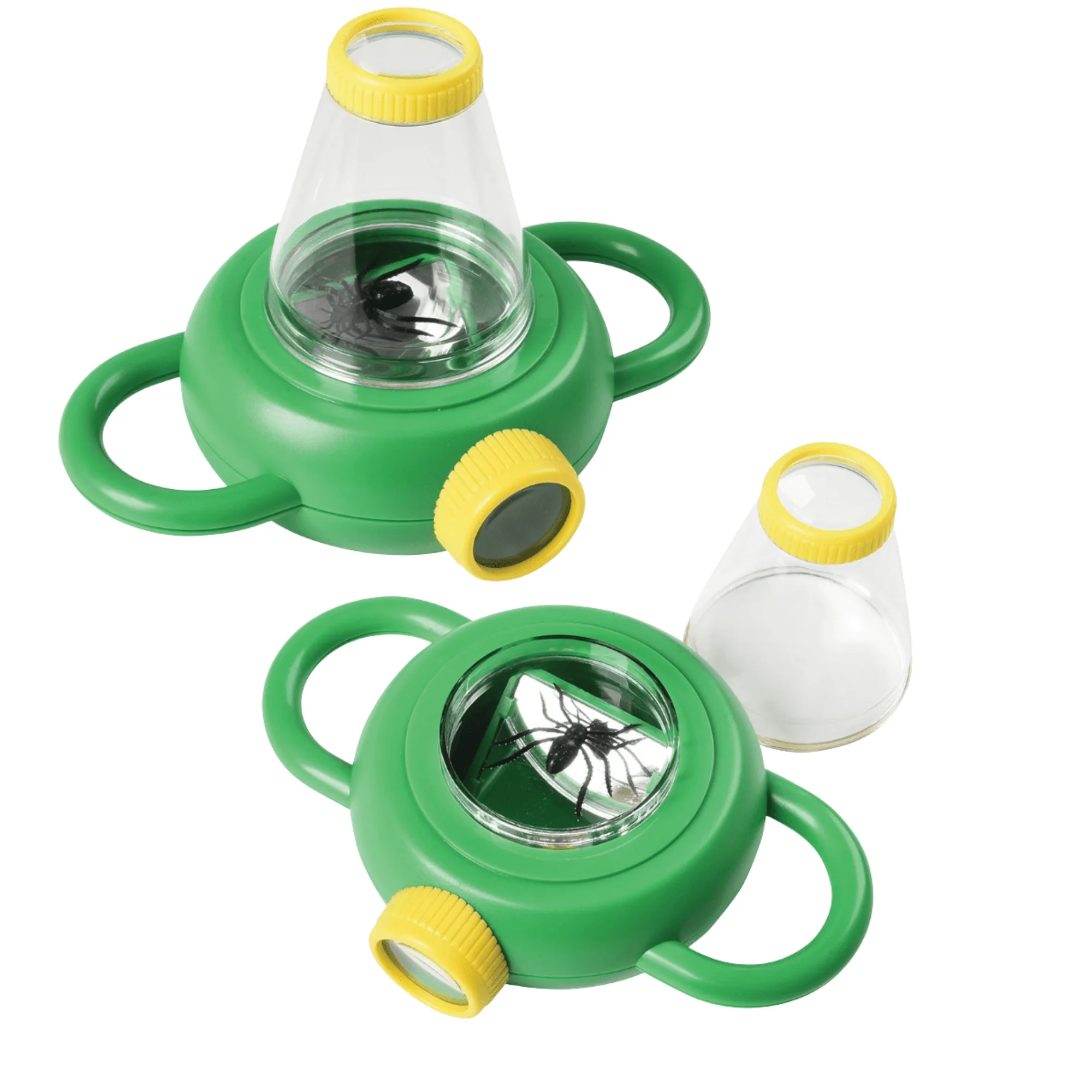
- Two-Way Microscopes - Set of 2: Use these two-way microscopes to view objects like grass or an insect from two different angles, top and bottom. Great for cooperative learning. Even two can view an object at the same time. Set of 2. If your sensory table includes natural materials, a two-way microscope lets two children examine findings together, extending the table into a science station without adding another piece of furniture.
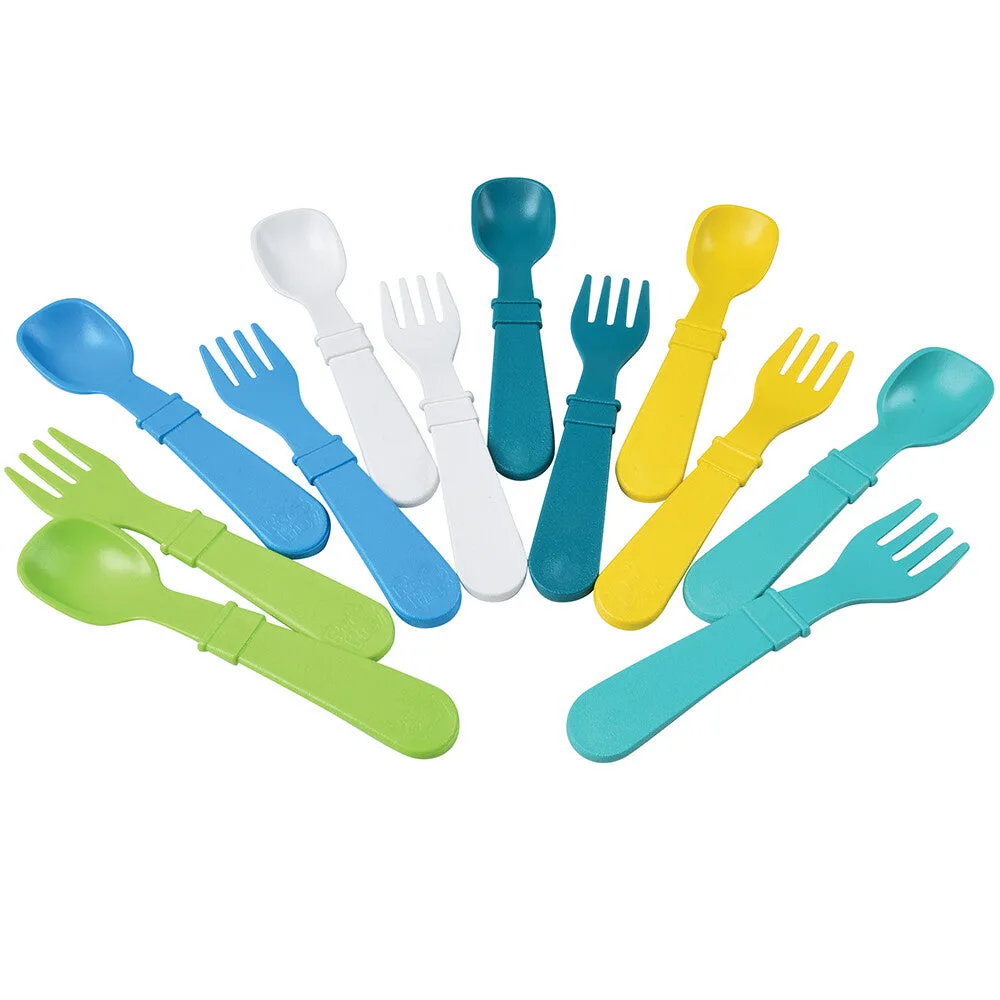
- Fork and Spoon Set: This fork & spoon set is made from recycled milk jugs & repurposed polypropylene. Designed with deep scoops, rounded tips and pudgy handles that are easy to grip. BPA/BPS, melamine, and surface coating free. Dishwasher and microwave safe. Approx. dimensions are 5.5" x 1.25" x .25". These utensils work as sensory table scoops for dry materials like sand or rice. The deep scoops and easy-grip handles suit small hands, and dishwasher-safe construction simplifies end-of-day cleanup.
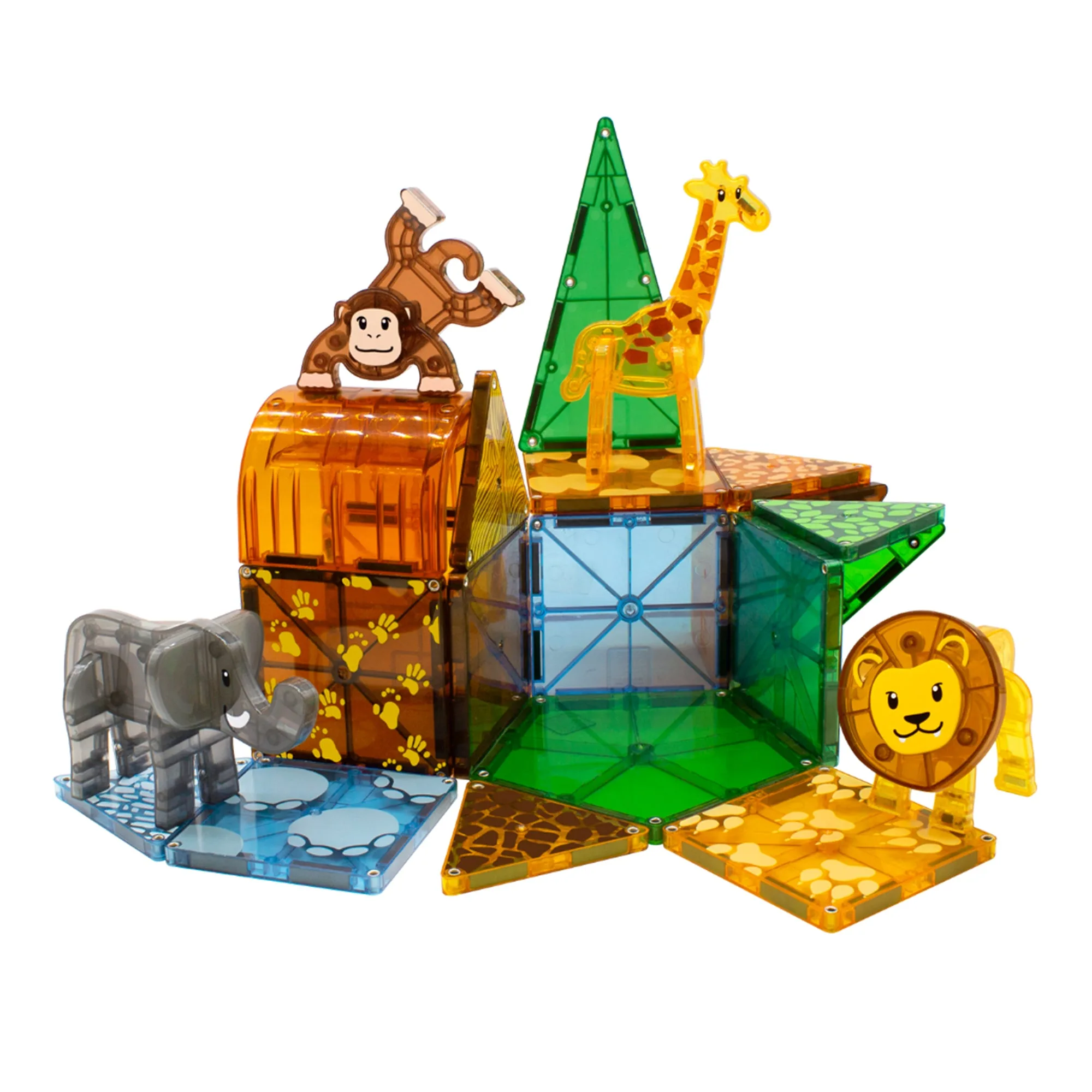
- Magna-Tiles Safari Adventure Set | 25-Piece Magnetic Building Tiles with Wild Animal Friends: Designed for curious minds ages 3 years and up, this 25-piece magnetic building set includes vibrant, savannah-themed magnetic tiles and four friendly safari animals—Giraffe, and others. It supports STEM, fine motor, and creative thinking skills. Use the animal figures as sensory table props for a savannah theme, then move the tiles to a block area. This extends the table's theme without buying separate toy animals.
Who this is for
Best for
- Preschool and pre-K classrooms that need a shared sensory station for 2–4 children
- Home playrooms with a dedicated corner and at least 24 inches of clearance
- Teachers who want to rotate dry and wet materials without moving furniture
Not for
- Rooms with no floor space for clearance; a tabletop sensory bin is a better fit
- Infants and young toddlers who need enclosed, floor-level exploration
- Programs that cannot store or clean accessories weekly
Choose the table that fits your space and your youngest regular user, then add accessories slowly. A well-sized sensory table with a clear storage plan gets used daily; an oversized one with no home for scoops becomes clutter.