Quick Answer
For trail running, prioritize an ultralight, packable sleeping bag that keeps you warm without weighing you down. The Non-stop dogwear Ly sleeping bag is a solid choice for runners who want a warm, water-resistant option for overnight trips.
Why Weight and Packability Matter
When you're trail running, every ounce counts. A heavy sleeping bag can slow you down and make your pack feel unbalanced. Look for a bag that compresses small and adds minimal weight to your gear. Ultralight models are designed for this, but they often sacrifice some warmth or durability. Consider the trade-off: a lighter bag might not handle extreme cold, so match it to the conditions you'll face.
Packability is also key. A sleeping bag that stuffs into a small compression sack leaves room for food, water, and other essentials. If you're planning an overnight trail run, you'll want a bag that fits neatly in your pack without taking up too much space.
Warmth vs. Versatility
Warmth is a balance between insulation and breathability. A bag that's too warm will make you sweat, while one that's too thin leaves you shivering. Think about the seasons and altitudes you run in. A three-season bag works for most trail runners, but if you're heading into colder weather, you'll need something with more insulation.
Versatility matters too. Some bags have detachable layers or can be opened fully to use as a blanket. This flexibility lets you adjust to changing temperatures, making the bag useful for more than just overnight trips.
Durability and Weather Resistance
Trail conditions can be rough, so your sleeping bag should handle dampness and abrasion. A water-resistant outer shell protects against dew or light rain, and a durable fabric resists tears from branches or rocks. However, water-resistant doesn't mean waterproof—if you expect heavy rain, you'll still need a shelter or bivy.
The Ly sleeping bag from Non-stop dogwear is warm and water-resistant, making it a practical choice for trail runners who camp outdoors. Its detachable bottom doubles as a dog bed, adding versatility for those who run with their canine companions.
Decision Rules for Choosing a Sleeping Bag
- Check the weight: If you're running long distances, choose a bag under 2 kg (4.4 lbs) to keep your pack light. For shorter trips, a slightly heavier bag may be acceptable. Weigh your bag before buying and compare with your pack's capacity.
- Assess the temperature rating: Match the bag's comfort rating to the coldest temperature you expect. If you run in mild conditions, a 3-season bag is enough. For winter, choose a bag rated for lower temps. Consider the lowest temperature you'll encounter, not just the average.
- Test the packability: Stuff the bag into its compression sack and see if it fits in your running pack. If it takes up more than half your pack volume, look for a more compressible option. Always test fit with your actual pack before purchasing.
- Look for weather resistance: Choose a bag with a water-resistant shell to handle damp conditions. If you expect heavy rain, pair it with a waterproof bivy or tent. Check the shell fabric's water resistance rating and seam construction.
- Consider versatility: If you want a bag that works for both you and your dog, look for features like a detachable bottom or a design that can serve as a dog bed. This adds value and reduces gear. Think about multi-use features that save space and money.
Product Spotlight
-
Ly sleeping bag: The Ly sleeping bag is lightweight, warm, and water-resistant, with a detachable bottom that can be used as a dog bed. This makes it a versatile choice for trail runners who want a compact, weather-ready sleep system that can double as a bed for their dog.
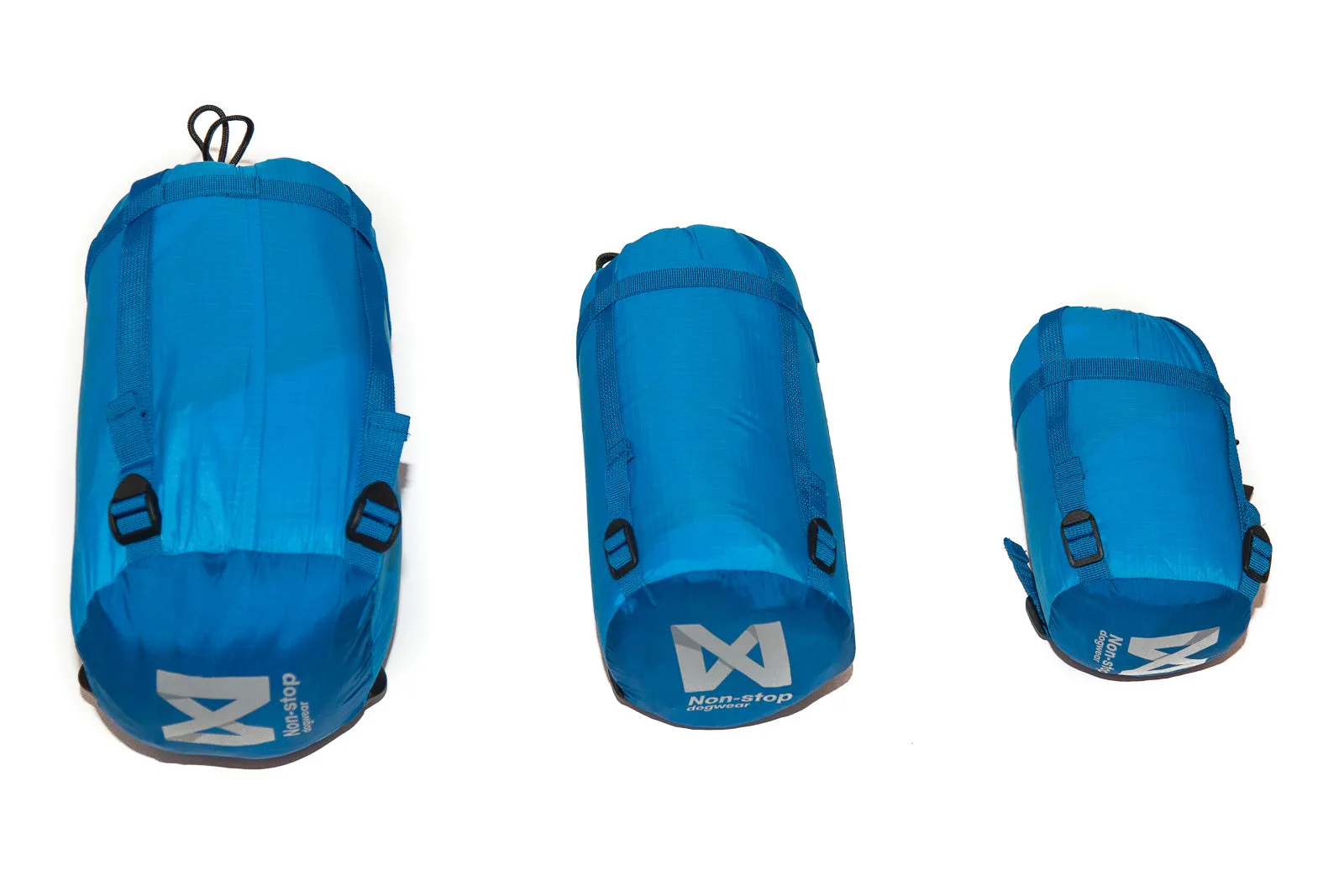
Ly sleeping bag
Fit Guidance
Best for
- Trail runners who do overnight trips and need a lightweight, packable sleep solution
- Runners who camp in mild to cool conditions and want a water-resistant bag
Not for
- Extreme winter expeditions where a heavier, warmer bag is required
- Ultra-minimalist runners who prioritize absolute minimum weight over comfort