Quick Answer
For most beginners, a 6-foot stockwhip with a 16-plait kangaroo hide construction offers the best balance of control, power, and durability. Choose longer whips for reach and louder cracks, but only if you have the space and skill to handle them.
Why Length Matters
The length of a stockwhip determines its reach and the size of the crack. Longer whips generate more power and a louder report, but they are harder to control and require more space to use safely. Shorter whips are more forgiving for learning and are easier to manage in confined areas.
Most stockwhips are measured from the butt of the handle to the end of the thong. A 4-foot whip is compact and great for close work, while a 12-foot whip offers impressive reach and a deep crack but demands significant skill and open space.
Plait Count: What It Tells You
The plait count refers to the number of leather strands braided together to form the overlay. A higher plait count usually means a smoother, denser, and more durable whip. A 16-plait stockwhip is a common choice because it provides a good balance of flexibility, weight, and durability without being overly stiff or heavy.
Kangaroo hide is prized in whip making for its strength and lightweight feel. A 16-plait kangaroo hide stockwhip offers excellent performance and longevity, making it a solid investment for both beginners and experienced users.
Kangaroo Hide vs. Other Leathers
Kangaroo hide is widely considered the best leather for whip making because it is strong, lightweight, and flexible. It allows for a thinner, denser braid that improves the whip's balance and crack. While cowhide is cheaper, it is heavier and less durable, which can affect performance.
When shopping for a stockwhip, check the material. Genuine kangaroo hide is a sign of quality and ensures the whip will hold up to regular use.
Decision Rules for Choosing Your Stockwhip
- If you are a beginner: Start with a 4 to 6-foot stockwhip. This length is easier to control and requires less space, allowing you to learn proper technique without frustration. A 6-foot whip is a versatile starting point.
- If you have experience and want more reach: Consider an 8 to 10-foot stockwhip. The extra length provides greater reach and a louder crack, but you'll need ample open space and refined technique. Practice in a large, open area before using a longer whip.
- If you prioritize durability and performance: Choose a stockwhip with a 16-plait kangaroo hide construction. The dense braid and premium leather offer a smooth, durable whip that performs well. Kangaroo hide is the best material for longevity.
Stockwhips to Consider
-
Brown & Black Stockwhip 04 Feet to 12 Feet long and 16 Plaits Kangaroo Hide Leather Equestrian Australian Stock Whip: This stockwhip features genuine kangaroo hide with a 16-plait braided overlay, a two-layer kangaroo hide braided belly, and a cane-handled 18-inch handle. The combination of kangaroo hide and 16-plait construction gives you a durable, well-balanced whip that delivers a loud crack, ideal for serious users.
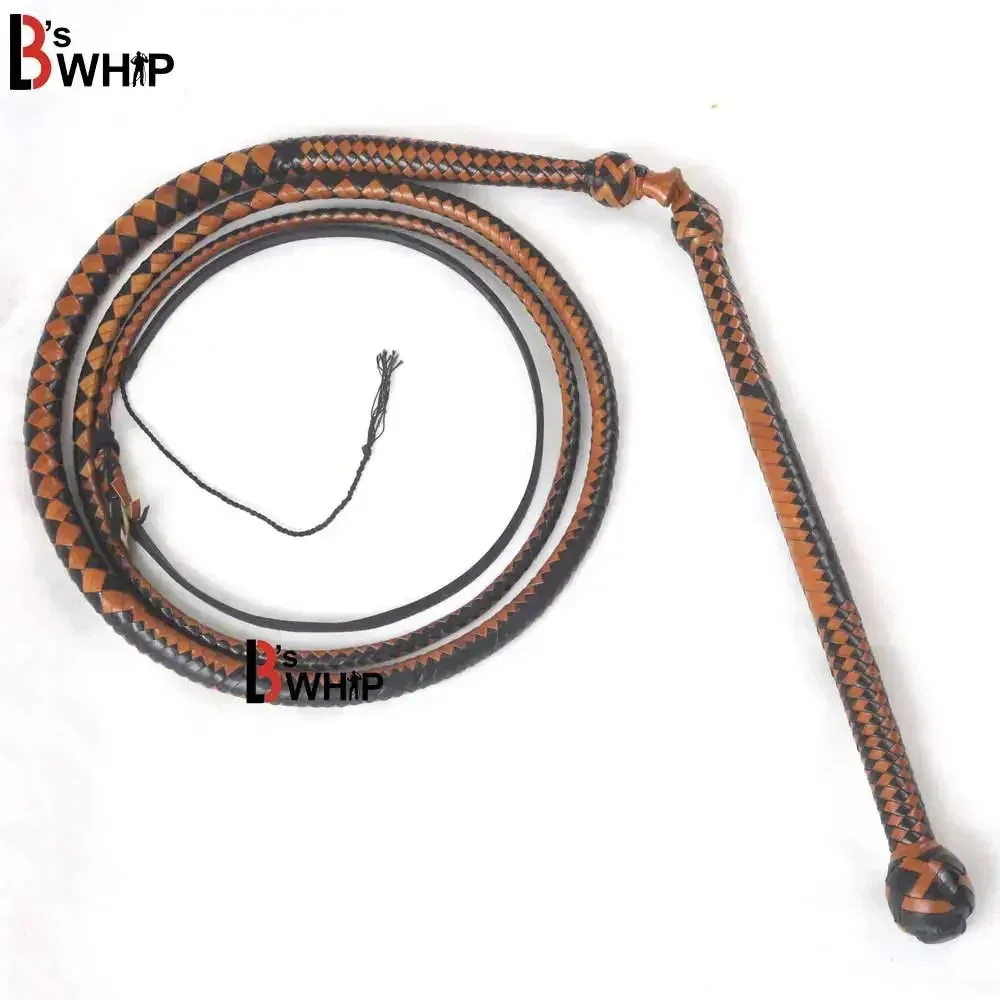
Brown & Black Stockwhip 04 Feet to 12 Feet long and 16 Plaits Kangaroo Hide Leather Equestrian Australian Stock Whip
-
Kangaroo Hide Stockwhip for Sale | 4 to 12 Feet | 16 Plaits | Australian Stock Whip – Leather Bond: This Australian stock whip is handcrafted from premium kangaroo hide, described as the gold standard among stock whips for sale online. It offers authentic outback craftsmanship and premium materials, making it a great choice for those who want a high-quality, performance-proven whip.
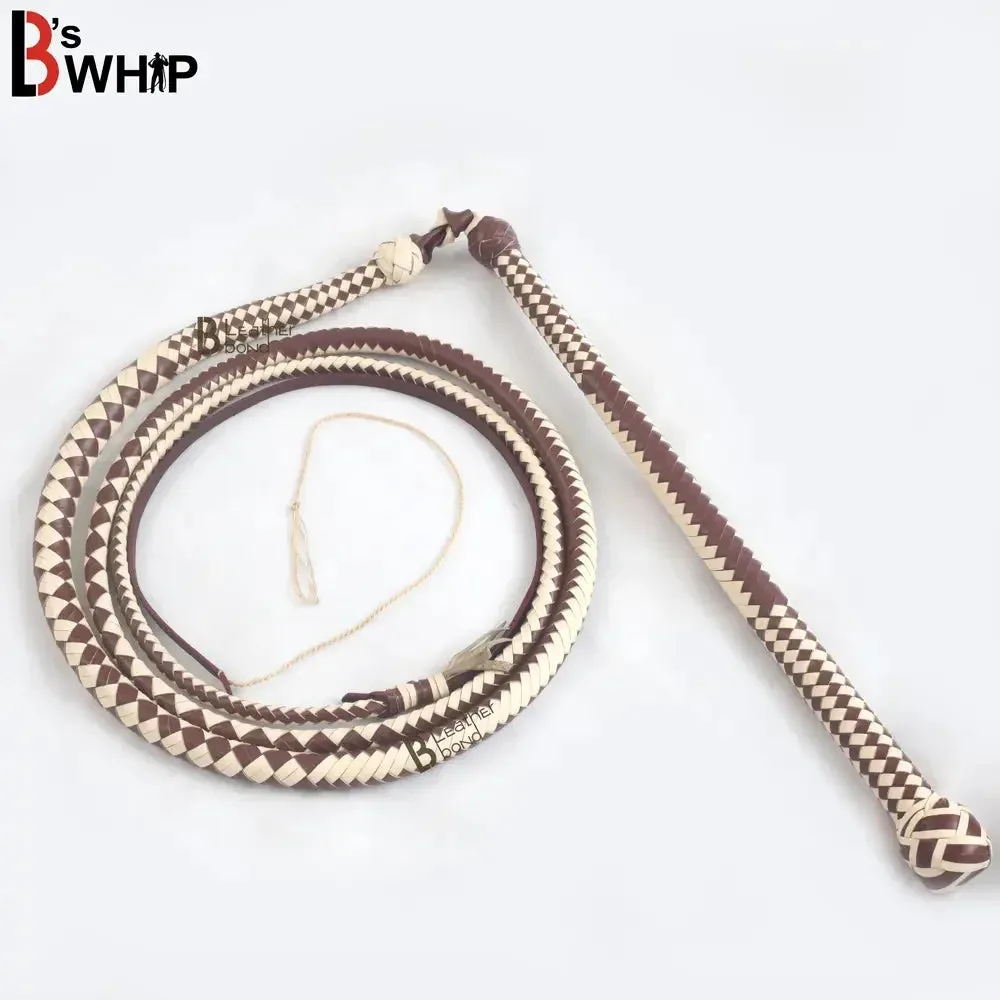
Kangaroo Hide Stockwhip for Sale | 4 to 12 Feet | 16 Plaits | Australian Stock Whip – Leather Bond
Who Should Choose What
Best for
- Beginners looking for an easy-to-control whip (4-6 feet)
- Experienced users who want a durable, high-performance whip (16-plait kangaroo hide)
Not for
- Those with very limited space who need a compact whip (consider a 4-foot model)
- Budget shoppers who prefer a cheaper cowhide option over premium kangaroo hide