Quick Answer
Look for an all-purpose cleaner with plant-based surfactants, simple ingredient lists, and no harsh fillers. Match the formula to your surfaces and scent sensitivity, and check for certifications or clear labels.
Why Ingredients Matter More Than the Label
Many cleaners claim to be 'natural' or 'green,' but the ingredient list tells the real story. Surfactants do the actual cleaning by lifting dirt and grease, while solvents help dissolve tough messes. Fillers, artificial fragrances, and harsh chemicals can irritate skin or leave residues.
A good all-purpose cleaner should work on multiple surfaces—kitchen counters, bathroom tiles, glass, and sealed wood—without needing separate products. But the right formula depends on your priorities: scent, sensitivity, or eco-friendliness.
Understanding Common Ingredients
Plant-based surfactants like potassium cocoate come from coconut oil and are gentle yet effective. Sodium bicarbonate (baking soda) helps neutralize odors and gently abrade. Some cleaners include fragrance oils for scent, but these can be synthetic or natural—check the source.
Avoid borax and phosphates if you want a more eco-friendly option. Borax is a natural mineral but can be irritating to some people and is not ideal for septic systems. Always look for 'borax-free' or 'phosphate-free' on the label.
Scent and Sensitivity Trade-offs
Fragrance is a personal choice. Strong scents can make cleaning more enjoyable, but they may trigger allergies or headaches. If you're sensitive, choose unscented or lightly scented options with natural essential oils.
Some cleaners require no extra dryer sheets or fabric softeners, which reduces chemical exposure and saves money. But if you love the smell of traditional fabric softeners, you may miss that scent.
Decision Rules for Choosing an All-Purpose Cleaner
- Check the ingredient list: Look for plant-based surfactants like potassium cocoate and avoid borax, phosphates, and synthetic fragrances if you want a gentler cleaner. If you can't pronounce an ingredient, look it up before buying.
- Match the formula to your surfaces: For sealed wood and delicate surfaces, choose a pH-neutral cleaner. For heavy grease, a slightly alkaline formula with baking soda works better. Test on a small area first if you're unsure about a new surface.
- Consider scent and sensitivity: If you're sensitive to fragrance, choose unscented or naturally scented options. If you love a fresh scent, look for extra fragrance boosts but be aware of potential irritation. Start with a small size to test the scent before committing to a large bottle.
- Think about eco-friendliness: Choose biodegradable, plant-based ingredients and avoid borax if you have a septic system or prefer a more natural option. Check for 'borax-free' and 'phosphate-free' labels to ensure a greener choice.
A Cleaner Worth Considering
-
Powder Laundry Detergent with an Extra Shot (Will be back in the Fall when we move into our new warehouse): This handmade powder laundry detergent is borax-free and uses potassium cocoate and sodium bicarbonate, with an extra shot of fragrance oil for a stronger scent. It cleans effectively without harsh fillers, and the extra fragrance means you can skip dryer sheets and fabric softeners.
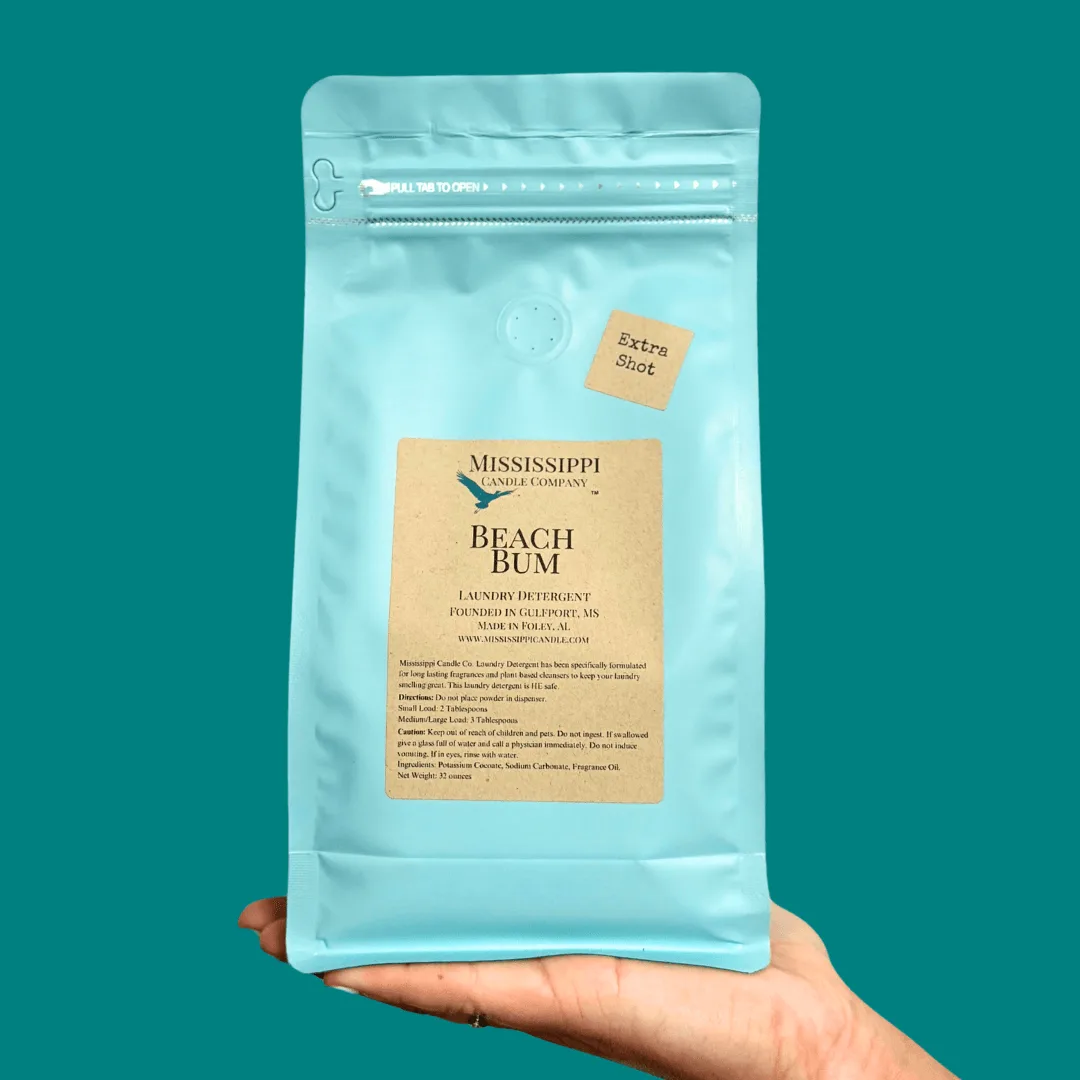
Powder Laundry Detergent with an Extra Shot (Will be back in the Fall when we move into our new warehouse)
Who Should Use This Cleaner
Best for
- People who want a simple, natural cleaner without harsh chemicals
- Households with sensitive skin or allergies who prefer fragrance-free or naturally scented products
- Those looking to reduce plastic waste by using concentrated or powder formulas
Not for
- People who need a disinfectant that kills bacteria and viruses (look for EPA-registered disinfectants instead)
- Those who prefer a traditional liquid spray for quick counter wipes