Quick Answer
For reliable studio power, choose the Canon AC-E6N if you shoot with a compatible EOS DSLR, or the Nikon EH-8P for compatible Nikon models—but always verify your camera's DC coupler requirement first.
Why Use an AC Adapter?
An AC adapter lets you power your camera from a wall outlet, which is a game-changer for studio shoots, long interviews, or time-lapses. Instead of swapping batteries every few hours, you get constant power so you can keep shooting without interruption. This also saves wear on your batteries and ensures you never miss a shot due to a dead battery.
However, an AC adapter isn't a one-size-fits-all accessory. It must match your camera model and often requires a specific DC coupler. Understanding this compatibility chain is the key to making the right purchase.
Compatibility: The DC Coupler Catch
Most DSLR AC adapters don't plug directly into the camera. Instead, they connect to a DC coupler that replaces the battery inside the battery compartment. For example, the Canon AC-E6N is designed to work with the DR-E6 or DR-E18 DC Coupler. This means you need both the adapter and the correct coupler for your specific camera model.
Nikon's EH-8P follows a similar pattern. It's a Nikon-branded adapter, but you still need to confirm it pairs with your camera's DC coupler. Always check your camera manual or the manufacturer's website to see which coupler your model requires.
Genuine vs. Third-Party Adapters
Genuine adapters from Canon or Nikon are built to meet strict safety and performance standards. They're more likely to provide stable power and protect your camera from surges or voltage fluctuations. Third-party adapters can be cheaper, but they may lack proper certification or voltage regulation, which could damage your camera over time.
If you're investing in professional gear, the peace of mind from a branded adapter is often worth the extra cost. For casual shooters on a tight budget, a reputable third-party option might work, but do your research and read reviews.
Decision Rules for Choosing an AC Adapter
- Check Your Camera Model: Look up your camera's manual or manufacturer's website to see which AC adapter and DC coupler are officially supported. This is the first and most critical step. Write down the exact model number and the required DC coupler.
- Match the Adapter to the Coupler: Once you know the DC coupler, ensure the AC adapter is compatible with it. For Canon, the AC-E6N works with DR-E6 or DR-E18. For Nikon, confirm the EH-8P pairs with your camera's coupler. If the adapter and coupler aren't compatible, your camera won't power on.
- Decide Between Genuine and Third-Party: If you prioritize safety and reliability, choose a genuine adapter like the Canon AC-E6N or Nikon EH-8P. If budget is a concern, research third-party options carefully, but be aware of potential risks. Remember that a faulty adapter can damage your camera, so don't compromise on quality.
- Consider Your Usage: If you shoot in a studio or do long sessions, an AC adapter is a smart investment. If you're mostly on the move, extra batteries might be more practical. Think about how often you'll actually use the adapter before buying.
Product Comparison
-
Canon AC-E6N AC Adapter for EOS DSLR Cameras: The Canon AC-E6N AC Adapter provides a constant source of power for compatible Canon EOS DSLR cameras and works with the DR-E6 or DR-E18 DC Coupler. This means you can shoot for extended periods without worrying about battery life, as long as you have the correct DC coupler for your camera.
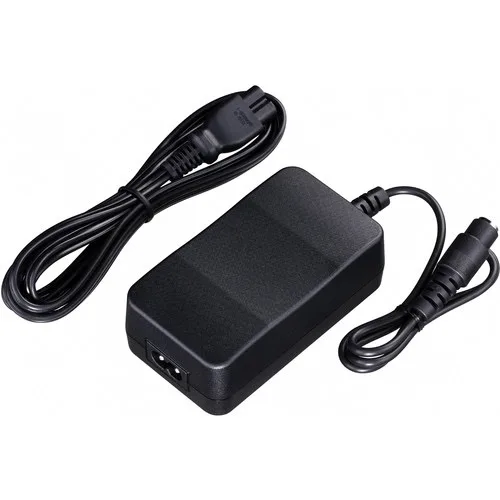
Canon AC-E6N AC Adapter for EOS DSLR Cameras
-
Nikon EH-8P AC Adapter: The Nikon EH-8P AC Adapter is a Nikon-branded power accessory, offered under SKU 27234 in the Standard option. Being a genuine Nikon product, it's designed to meet Nikon's quality standards, but you must verify it's compatible with your camera's DC coupler before purchasing.
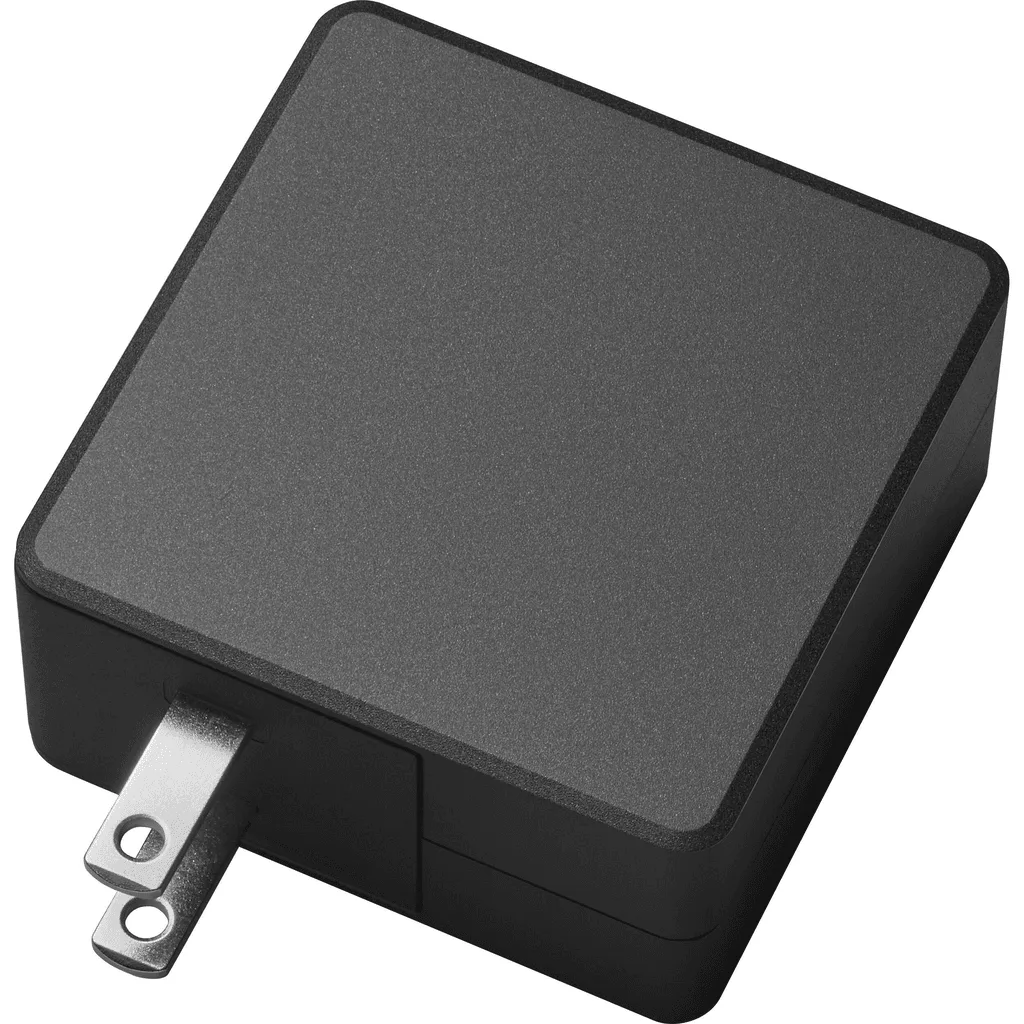
Nikon EH-8P AC Adapter
Who Should Buy This?
Best for
- Studio photographers who need constant power during long shoots
- Anyone doing time-lapses, product photography, or video interviews where battery swaps are disruptive
Not for
- Travel photographers who prioritize portability and can carry spare batteries instead