Quick answer
For safe, long-term photo storage, choose polypropylene print sleeves that match your print size exactly, and consider a hard-bound portfolio book for presenting your best work.
Size matters: matching sleeves to your prints
The most common mistake is buying sleeves that are too large or too small. A sleeve that's too tight can damage the print surface, while an oversized sleeve allows dust and moisture to enter. Measure your prints precisely before ordering.
Standard print sizes like 8x10 inches and 9x12 inches have dedicated sleeves. If you mat your prints, ensure the sleeve accommodates the mat board, not just the print.
Material: polypropylene vs. PVC
Archival-quality sleeves are typically made from clear polypropylene, which is chemically stable and won't yellow or become brittle over time. Avoid PVC (polyvinyl chloride) sleeves, which can emit harmful gases that damage prints.
Polypropylene sleeves also offer good clarity for viewing prints without removing them from storage, making them ideal for portfolio review or client presentations.
Presentation vs. storage: when to use a portfolio book
If you frequently show your prints to clients or at portfolio reviews, a hard-bound portfolio book offers a professional presentation. These books use acid-free pages and are designed to hold prints securely.
For long-term archival storage, individual print sleeves in a box or binder are more practical. Portfolio books are better suited for a curated selection of your best work.
Decision rules for choosing print protectors
- Match the sleeve to your print size exactly: Measure your print (including any mat board) and choose sleeves that fit snugly without forcing. For 8x10 prints, use 8x10 sleeves; for 9x12 prints, use 9x12 sleeves.
- Choose polypropylene over PVC: Polypropylene sleeves are archival-safe, clear, and durable. Avoid PVC sleeves that can off-gas and damage your prints over time. Check the product description for 'polypropylene' or 'archival-safe' materials.
- Decide between storage and presentation: For long-term storage, use individual sleeves in a box or binder. For client presentations or portfolio reviews, consider a hard-bound portfolio book with acid-free pages. If you need both, store prints in sleeves and transfer a selection to a portfolio book when needed.
- Consider the pack quantity: Sleeves are sold in packs (e.g., 25 per pack). Estimate how many prints you need to protect and buy accordingly. Buying in bulk is often more cost-effective.
Product facts
-
Clearfile 08B Print Protectors - 9 x 12in Pack of 25: Clearfile 08B Print Protectors - 9 x 12in Pack of 25: archival storage sleeves for 9x12in prints, suitable for matted or un-matted prints, made from crystal-clear polypropylene. These sleeves are a reliable choice for protecting larger prints, and the polypropylene material ensures long-term clarity without yellowing.
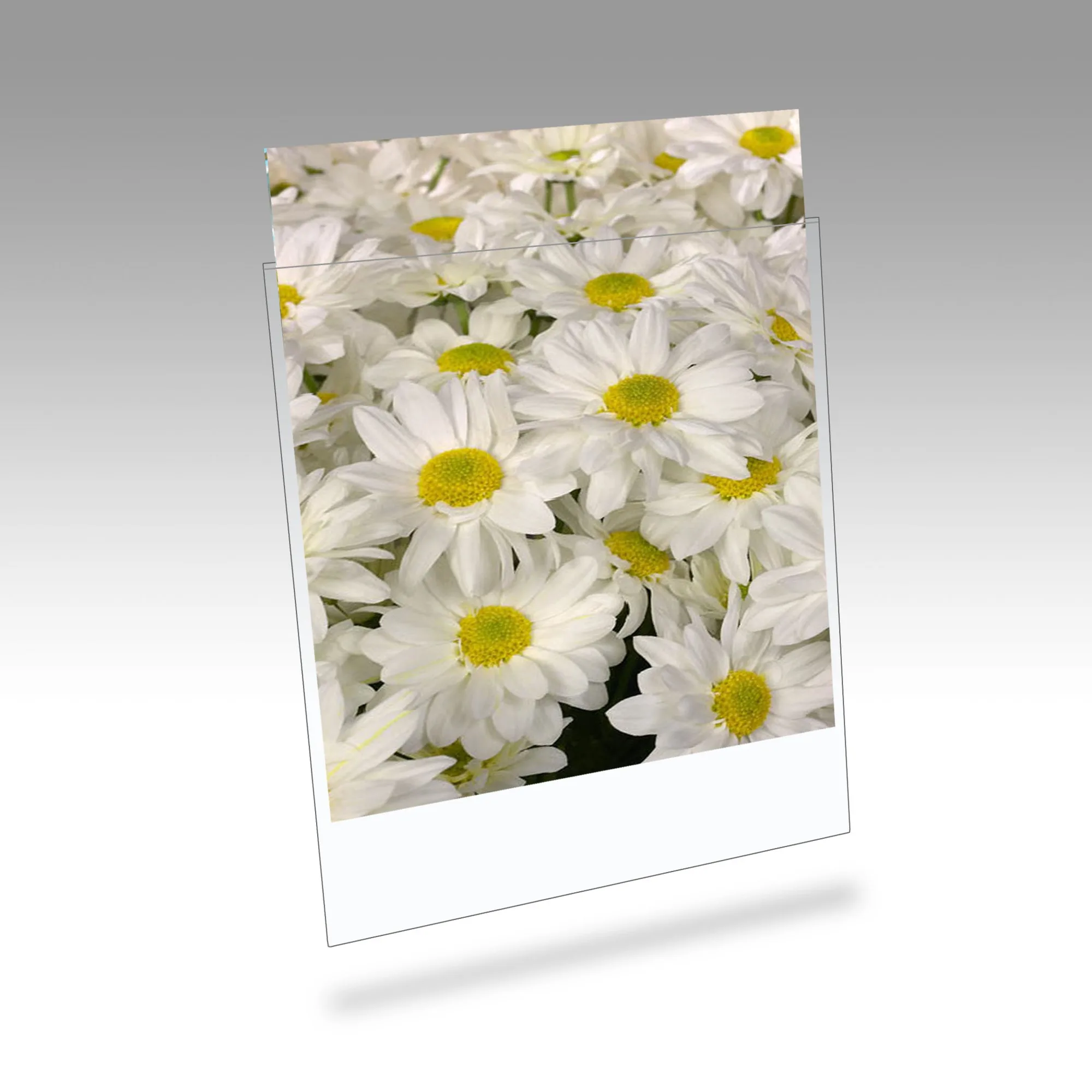
Clearfile 08B Print Protectors - 9 x 12in Pack of 25
-
Clearfile 03B Print Protectors - 8 x 10in Pack of 25: Clearfile 03B Print Protectors - 8 x 10in Pack of 25: archival storage sleeves for 8x10in prints, suitable for matted or un-matted prints, made from crystal-clear polypropylene. If you work with the popular 8x10 format, these sleeves offer the same archival protection in a size that fits standard print boxes and binders.
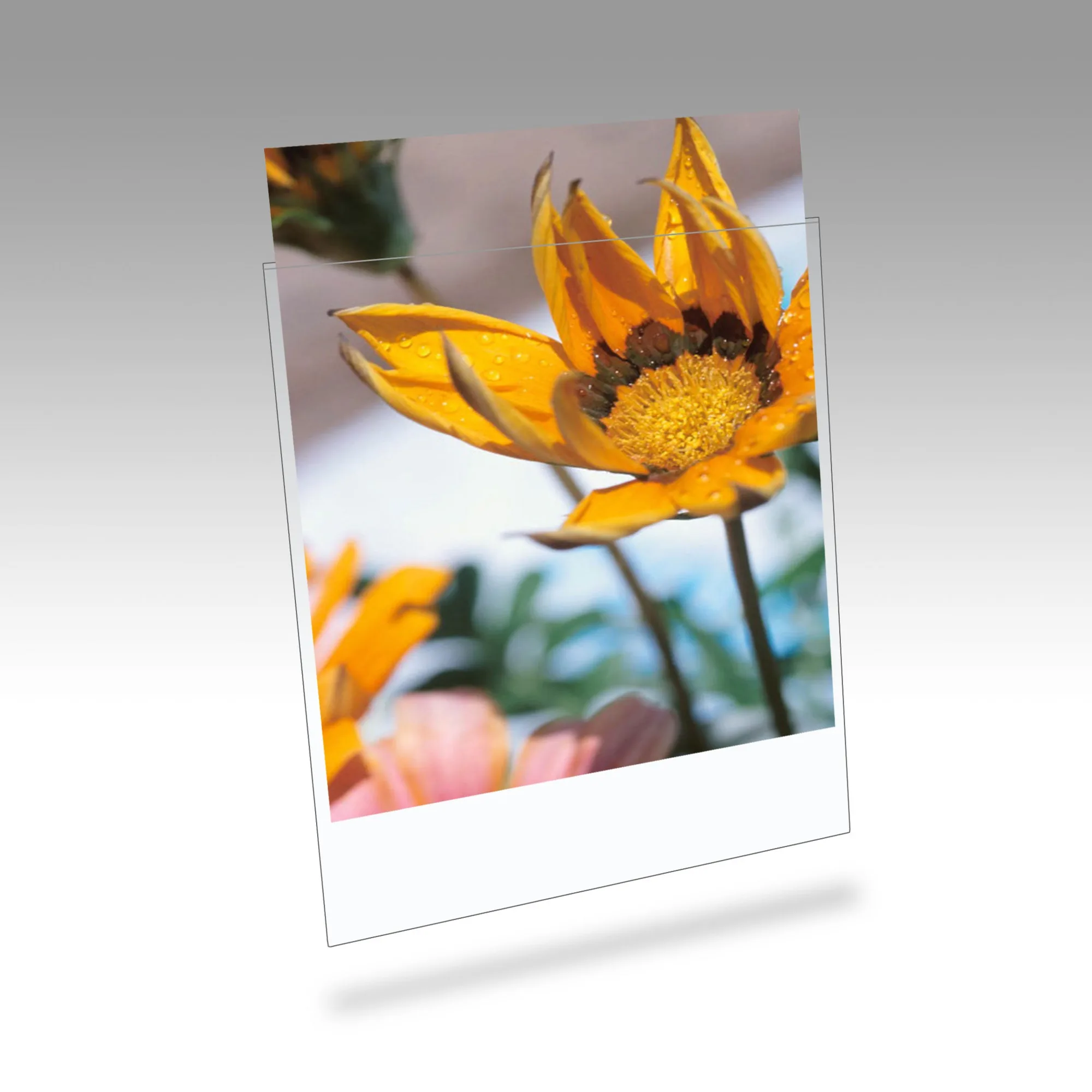
Clearfile 03B Print Protectors - 8 x 10in Pack of 25
Who this guide is for
Best for
- Photographers who want to store prints safely for years without damage
- Artists who need to present prints professionally in a portfolio
Not ideal for
- Those who need sleeves for non-standard print sizes (e.g., 5x7, 11x14) – look for dedicated sleeves in those sizes
- Users who prefer digital-only storage or who rarely handle physical prints