Quick answer
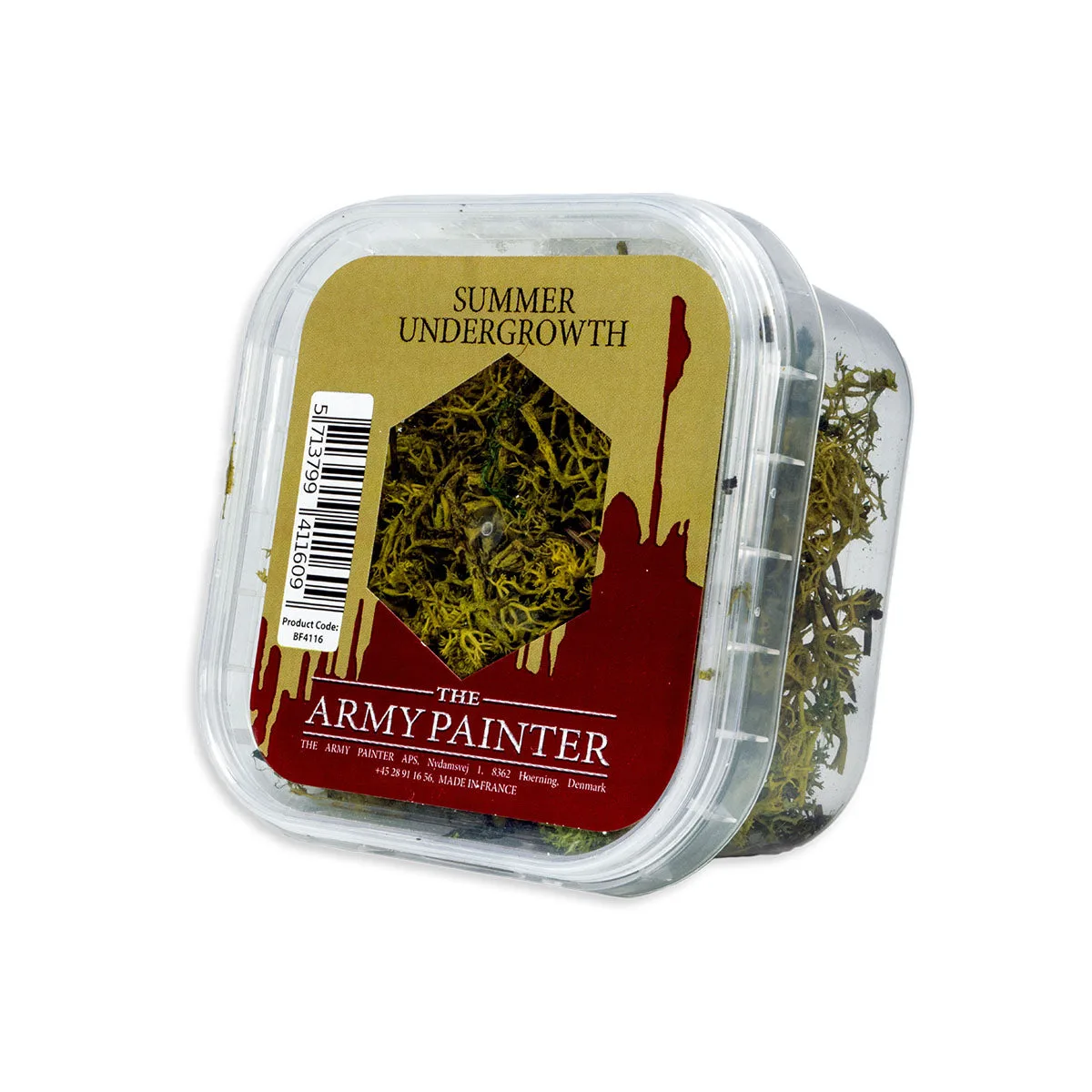
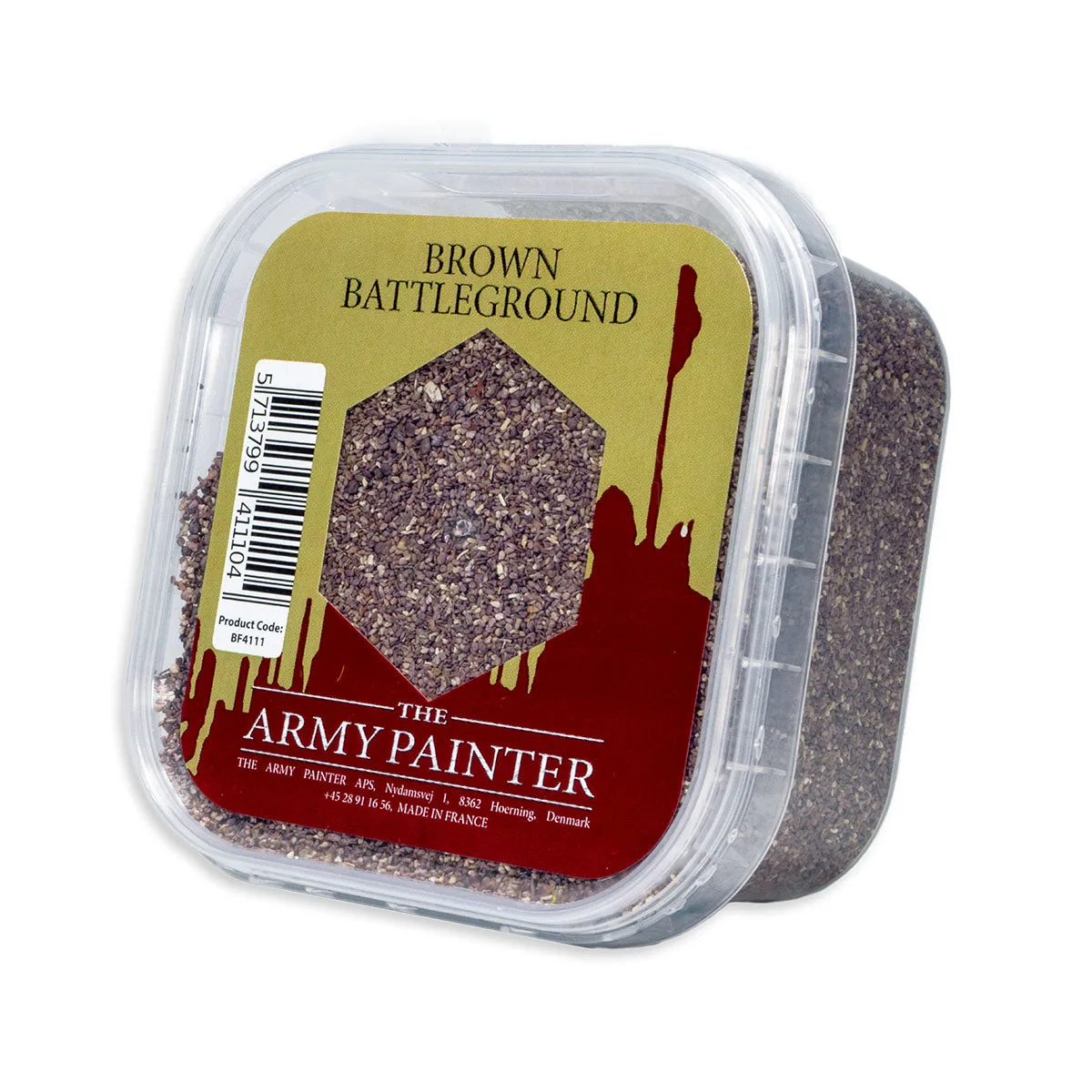
For natural-looking miniature bases, start with Brown Battleground as your textured foundation, then layer Grass Green for lush meadows, Steppe Grass for dry or wild terrain, and Summer Undergrowth for bushy undergrowth.
Why layering matters for natural bases
Real ground is rarely a single flat color or texture. A miniature base looks more convincing when you combine a textured foundation with different scatter materials. Brown Battleground gives you that uneven, earthy surface, while the colored scatters add the specific vegetation your scene needs.
Trade-off: realism vs. speed
Using multiple basing products takes more time than a single scatter. If you need to finish a whole army quickly, one product over a painted base may be enough. But for display pieces or centerpiece models, layering two or three scatters creates depth that a single product cannot match.
How to choose your basing grass and tufts
- Start with the terrain type: Decide whether your base represents a lush meadow, a dry steppe, a forest floor, or a jungle. This determines which scatter matches the scene.
- Apply Brown Battleground first: Spread a thin layer of Brown Battleground over the base and let it dry. This gives a textured, earthy foundation that makes vegetation look grounded. You can paint Brown Battleground any color to shift the climate – dry desert or muddy swamp.
- Add the vegetation scatter: Sprinkle Grass Green for green fields, Steppe Grass for dry grass, or Summer Undergrowth for bushy areas. Press gently to embed it in the foundation. For a mixed look, apply one scatter, let it dry, then add a second in patches.
- Finish with tufts for height: Place tufts of matching or contrasting grass on top of the scatter to break up the flat surface. This adds the final natural touch. Use smaller clumps for scale – a 2mm tuft on a 25mm base looks like a real bush.
Basing products at a glance
-
Battlefield Basing: Grass Green: A special scatter resembling grass or light moss. Can cover the entire base or be used in smaller clumps on top of Brown Battleground. Grass Green is your go-to for lush, well-tended fields or forest floors; it blends naturally with green tufts.
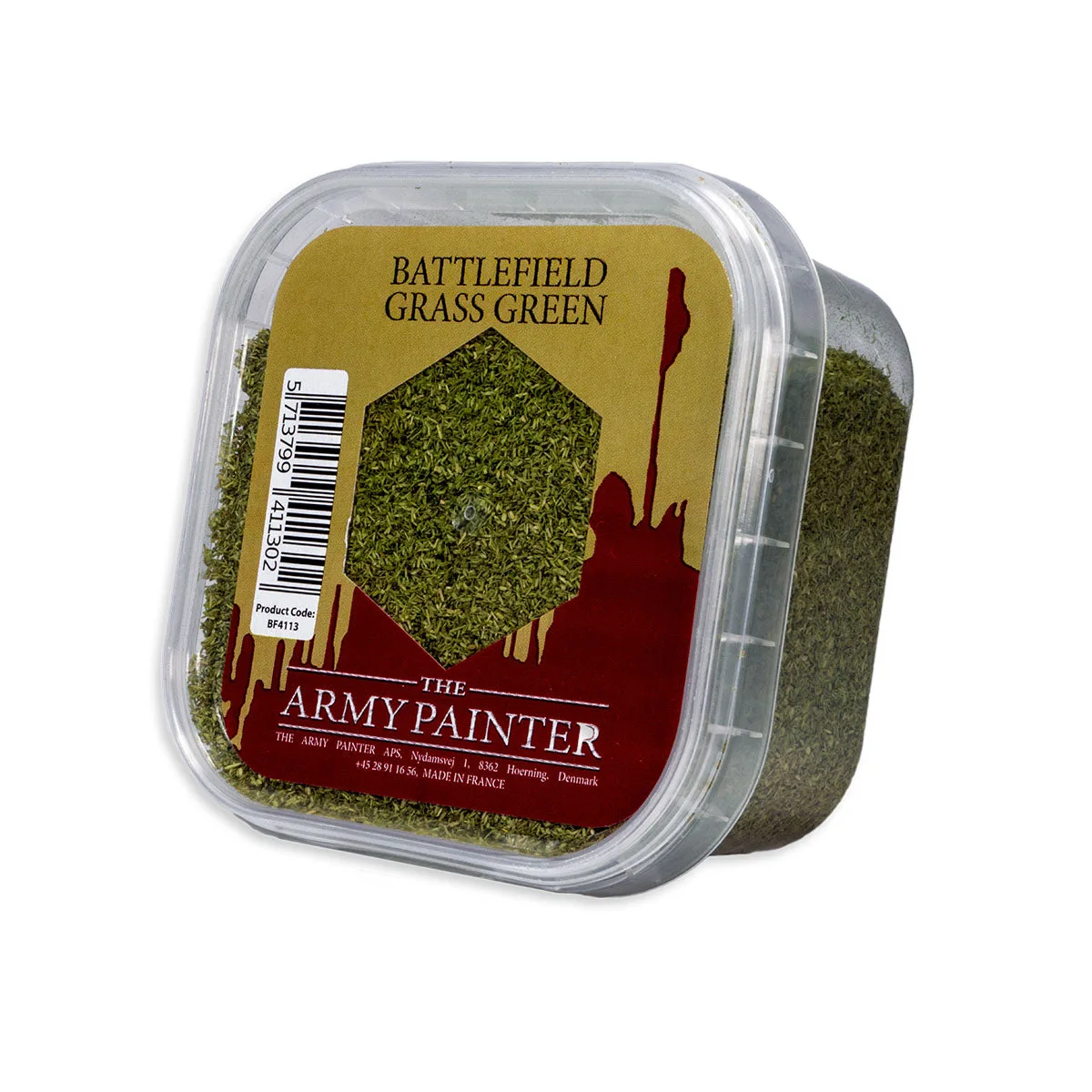
Battlefield Basing: Grass Green
-
Battlefield Basing: Steppe Grass: Creates the illusion of wild or dry grass. Darker grass that gives a highly realistic effect and contrast. Steppe Grass is ideal for arid, windswept, or late-season scenes; its darker tone adds contrast against lighter base colors.
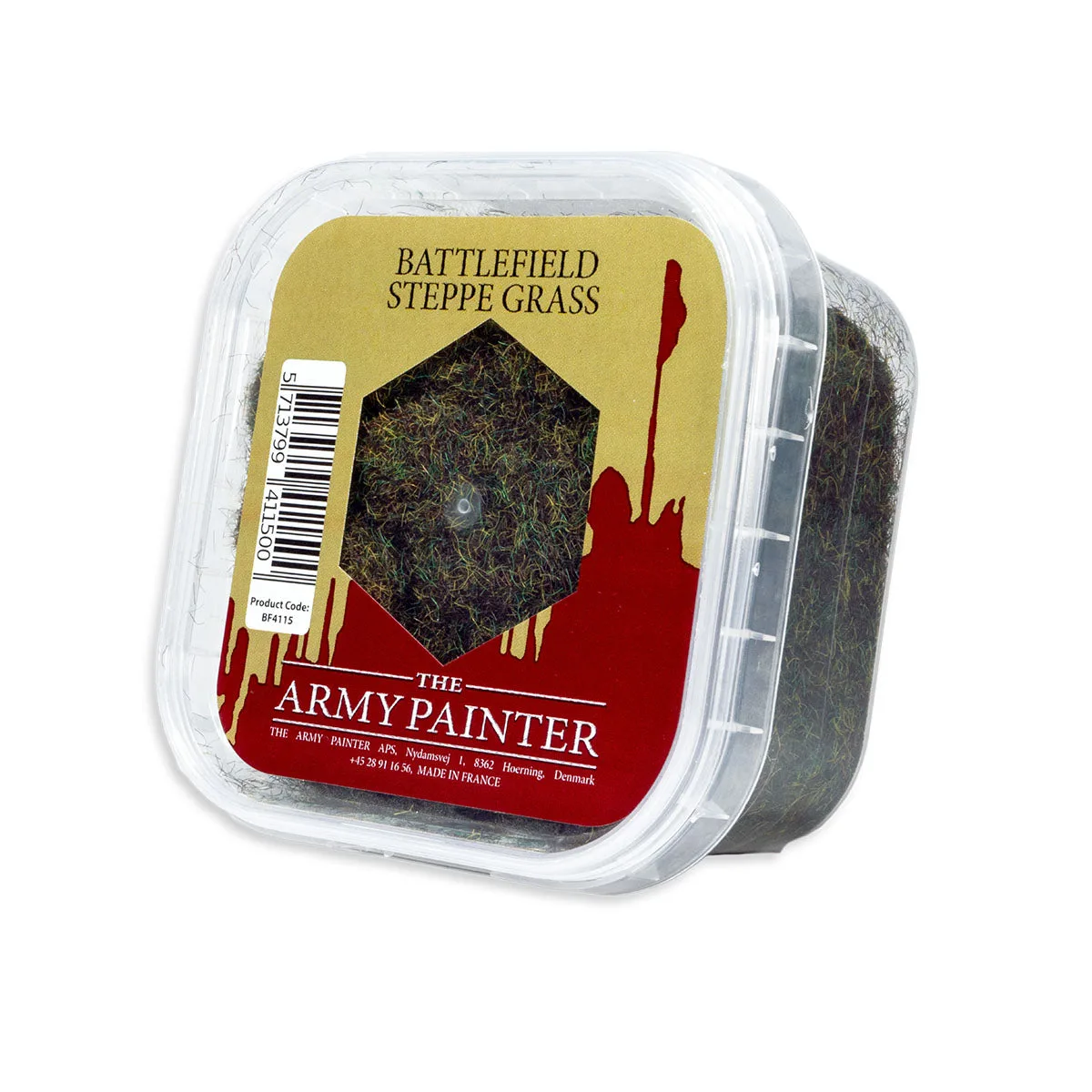
Battlefield Basing: Steppe Grass
-
Battlefield Basing: Summer Undergrowth: Resembles shrubberies or bushes. Great for wild-looking bases such as jungle or forest. Summer Undergrowth adds volume and a bushy texture that flat scatters cannot achieve, perfect for dense vegetation.
-
Battlefield Basing: Brown Battleground: Coloured sand in 3 different sizes for the perfect foundation of any base. Can be painted any color to resemble any climate or setting. Brown Battleground provides a versatile, paintable base layer that works under any vegetation scatter and helps the grass stay in place.
Which basing grass fits your project?
Best for
- Lush green scenes: Grass Green over Brown Battleground
- Dry or wild terrain: Steppe Grass over Brown Battleground
- Jungle or forest bases: Summer Undergrowth over Brown Battleground
Not ideal for
- Snow or arctic bases (use white or grey textured paint instead)
- Urban rubble bases (use grey sand or crushed stone)