Quick Answer
If you want to launch this weekend with minimal prep, choose a ready-to-fly kit. If you enjoy building and want more customization and performance, a build-it-yourself kit gives you more control. For most hobbyists, starting with a simple build kit offers the best balance of learning and value.
When you're ready to move beyond toy-store rockets, the first big decision is whether to buy a ready-to-fly (RTF) rocket or a build-it-yourself kit. Both get you to the launch pad, but they offer very different experiences. Your choice affects how much time you spend before your first flight, how much you learn, and how easily you can upgrade later.
This guide breaks down the trade-offs so you can match the kit type to your skill level, available time, and long-term goals. We'll also look at a few specific kits from High Power Model Rocketry to show what each option includes.
Ready-to-Fly Kits: Speed and Simplicity
Ready-to-fly kits come pre-assembled or require minimal final steps, like attaching fins or installing a recovery system. They're ideal for beginners, classroom settings, or anyone who wants to spend more time launching than building. The trade-off is less customization and typically a higher cost for the same level of performance.
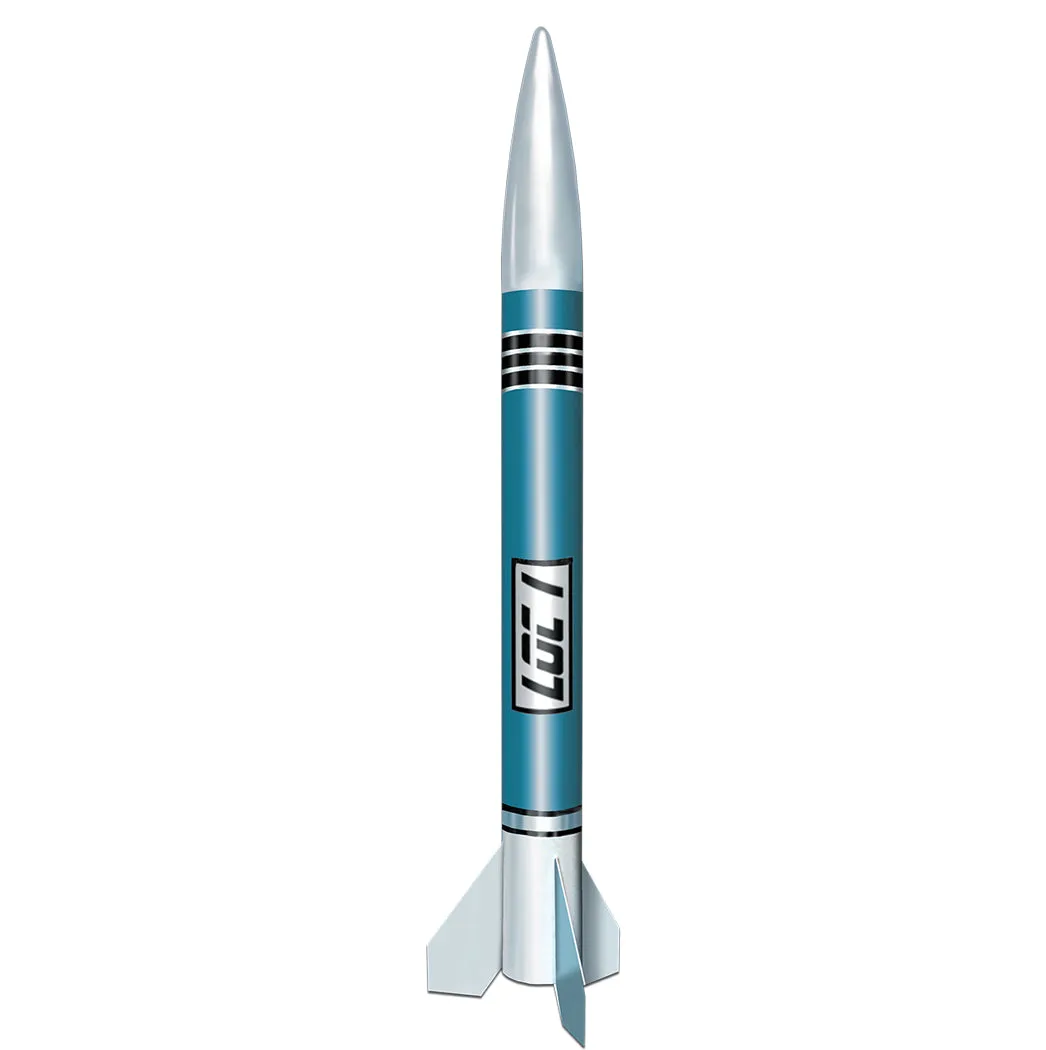
For example, the loc-i-nuke-de41ce4b32a3ca3f5febc4ed-884024">LOC-I Nuke is a simple kit designed for first-timers, but it's not RTF—it still requires assembly. True RTF kits are rare in high-power rocketry; most are 'almost-ready-to-fly' with basic glue joints. If you truly want zero building, look for kits labeled RTF, but be prepared for limited options and higher prices.
- Check the package: RTF kits often include motors and recovery wadding, so you can launch right out of the box.
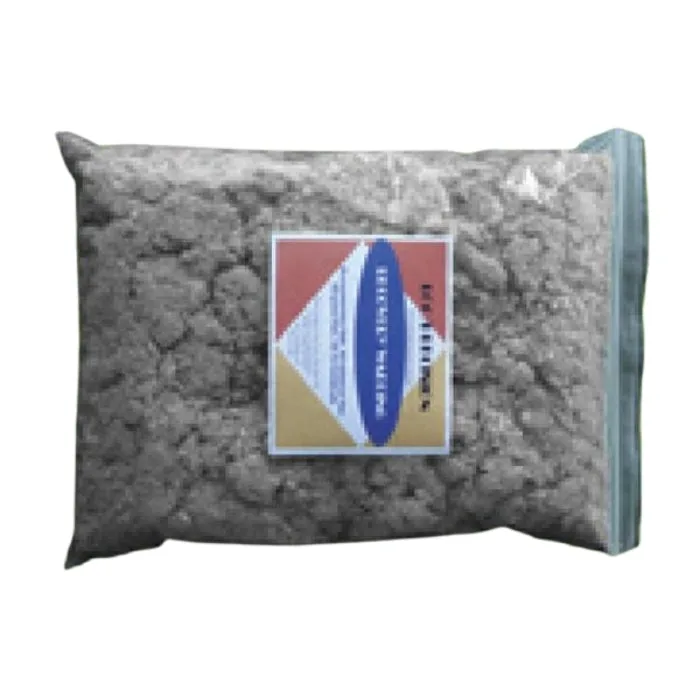
recovery wadding
- Look for pre-slotted airframes—they reduce alignment guesswork and speed up assembly.
Build-It-Yourself Kits: Learning and Customization
Build-it-yourself kits are the heart of the hobby. They teach you how rockets go together, which is invaluable when you need to repair or upgrade. You also get to choose your own paint scheme, add rail buttons, or swap components. The downside is time—some advanced kits take dozens of hours to complete.
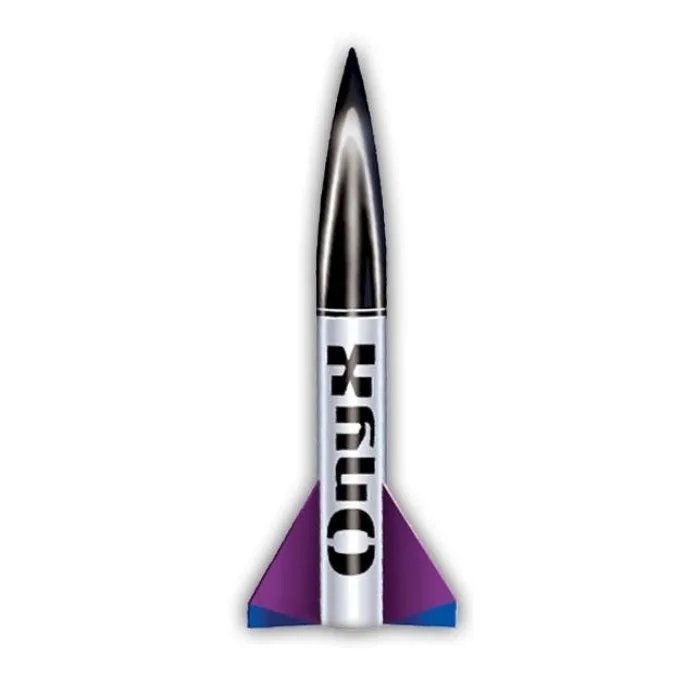
Many kits from High Power Model Rocketry are build-it-yourself but include features that simplify construction. For instance, the Onyx is a Novice Series kit with a slotted airframe, making it easier for first-time builders. It includes a 9-foot shock cord and a 21-inch parachute, so you get quality components without hunting for extras.
- Start with a kit labeled 'Novice' or 'Beginner'—they have fewer parts and clearer instructions.
- Through-the-wall fin construction (found in advanced kits) adds strength but requires more precise fitting.
Comparing Time, Cost, and Skill
Time is the biggest factor. RTF kits can be ready in minutes, while a build kit might take a weekend or several weeks. Cost is another: build kits usually offer more value per dollar because you're paying for parts, not labor. But if you need to buy tools and adhesives, the total cost can rise.
Skill level matters too. Beginners should avoid complex kits with many parts. Look for pre-slotted airframes and laser-cut fins—they reduce errors. The 2.26" Sandhawk is an advanced series kit with pre-slotted airframe and through-the-wall fins, so it's better for someone with a few builds under their belt.
- Set a budget that includes tools, glue, and paint—often $50–$100 extra for a build kit.
- Be honest about your patience: if you want instant gratification, RTF is the way.
Decision Rules: RTF vs Build Kit
- Your time budget: If you can only spare an hour before your next launch, choose an RTF kit. If you have a weekend or more, a build kit is worth the effort. Time is the deciding factor for most hobbyists.
- Your experience level: First-time builder? Pick a kit with pre-slotted airframes and laser-cut fins, like the LOC-I Nuke. Experienced? Advanced kits like the 2.26" Sandhawk offer more challenge. Match the kit's complexity to your skill to avoid frustration.
- Your long-term goals: If you plan to fly often and eventually compete or do high-power, learning to build is essential. RTF kits don't teach you repair skills. Invest in a build kit to grow in the hobby.
Kit Examples from High Power Model Rocketry
- LOC-I Nuke: LOC-I series kits are perfect for your first rocket kit! They were designed for the classroom environment and have a pre-slotted airframe that's 2x the thickness of others. Kevlar shock cord and laser cut birch fins add to the durability and strength. An engine hook is included for 18mm motors ranging from A-D impulse. This is a build-it-yourself kit that's beginner-friendly. The pre-slotted airframe and laser-cut fins reduce build time and errors, making it a smart first project.
- Onyx: One of the original Novice Series kits, the Onyx rocket has a large diameter and stout appearance which makes this bird a natural for sport flying. NOW included slotted airframe! A single G motor can propel this vehicle to 1800 ft. The Onyx is a step up from the LOC-I Nuke, offering a larger build with a G motor capability. It's still a build-it-yourself kit but includes a slotted airframe to simplify construction—good for moving beyond the basics.
Which Kit Fits You?
Best for
- Beginners who want a simple, guided first build (e.g., LOC-I Nuke)
- Hobbyists who enjoy the building process and want customization (e.g., Onyx)
Not for
- Those who want to launch immediately without any assembly—look for RTF options instead
- Budget-conscious buyers who can't afford extra tools and materials
Whether you choose a ready-to-fly or a build-it-yourself rocket kit, the best choice depends on your priorities. If you value speed and simplicity, RTF gets you flying fast. If you want to learn, save money, and make the rocket your own, a build kit is the way to go. Start with a beginner-friendly build like the LOC-I Nuke or Onyx, and you'll be on your way to a rewarding hobby.