Quick answer
Choose a deodorant that sits in the same scent family as your perfume oil, or one that is intentionally neutral, then apply the deodorant first and the oil second on pulse points. If your oil is warm and woody, a soft green or clean deodorant keeps the pairing coherent; if your oil is floral, a light citrus or unscented deodorant prevents a clash. Test the combination on skin for a full day before committing to a full-size deodorant.
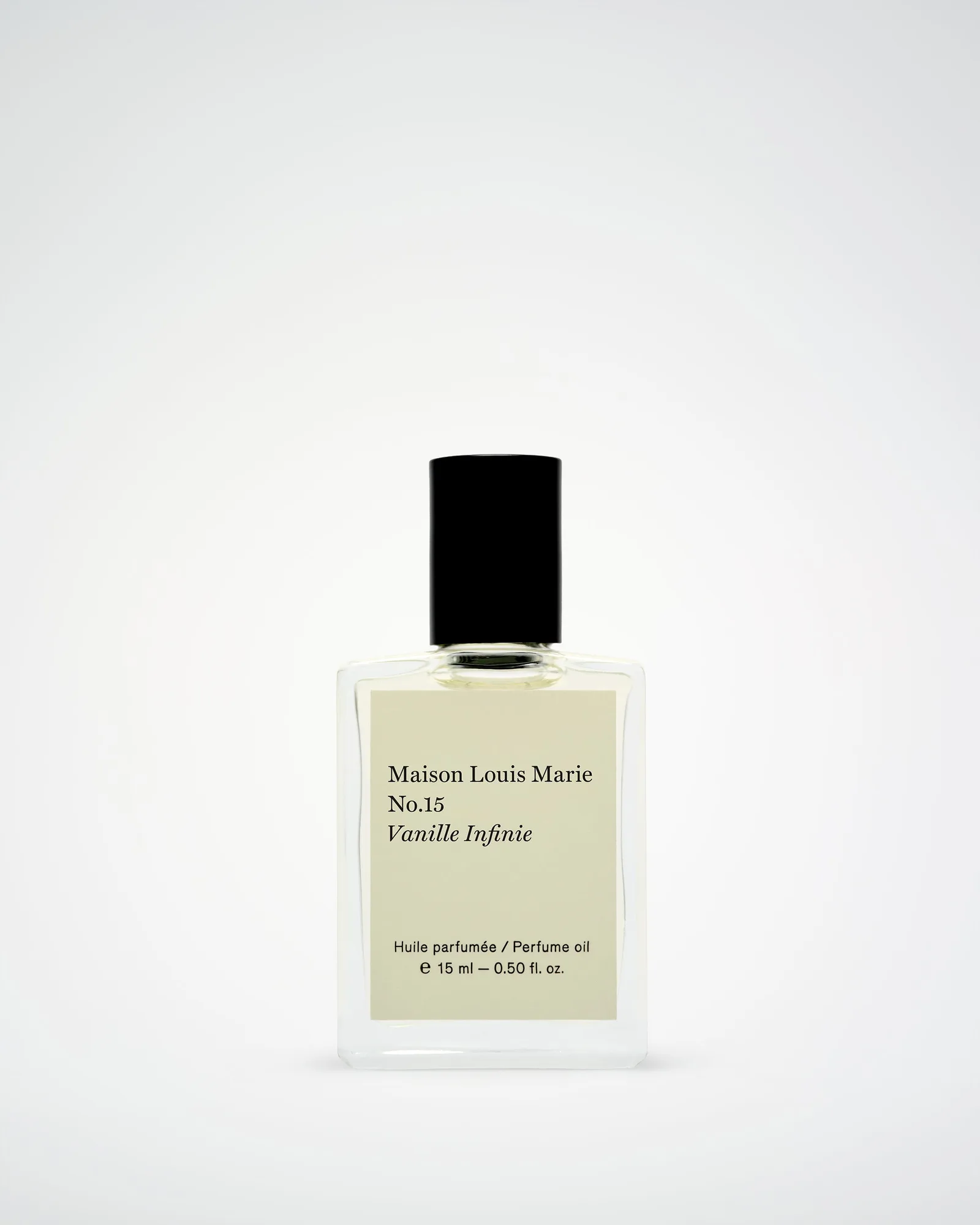
perfume oil
Why deodorant and perfume oil can clash
Deodorant sits closest to the skin and often carries its own fragrance, so it becomes the base layer of everything you wear above it. Perfume oil is designed to stay close and linger softly, which means it does not project far enough to mask a competing deodorant scent. When the two move in different directions, the result reads as muddled rather than layered.
The fix is not to buy the strongest deodorant available. It is to decide which layer leads. If you want the perfume oil to be the recognizable scent, pick a deodorant that is neutral or shares at least one note with the oil. If you want a fuller, more diffused scent, choose a deodorant in the same family and let the oil add depth.
How to choose deodorant scent by fragrance family
Start by naming the dominant character of your perfume oil: woody, green, floral, citrus, or warm. Then choose a deodorant that either matches that character or stays quiet. Matching does not mean identical; it means the two scents point in the same direction so neither feels out of place.
For a woody or green oil such as No.09 Vallée de Farney, a clean or softly green deodorant keeps the pairing grounded. For a warm, close-wearing oil, a neutral or lightly powdery deodorant prevents the combination from turning sharp. If you are unsure, unscented deodorant is the safest base and lets the perfume oil do all the work.
Application order and timing
Apply deodorant to clean, dry skin and let it settle for a minute before adding perfume oil. This gives the deodorant time to dry so it does not dilute or shift the oil. Then roll the oil onto pulse points such as wrists, neck, or chest and gently press rather than rub.
Reapply the oil later in the day rather than adding more deodorant. Perfume oil is built to stay close and linger softly, so a small top-up on pulse points is usually enough. Adding a second layer of scented deodorant is more likely to create a clash than to refresh the scent.
What to check before you buy
Read the deodorant's scent description and compare it with the notes you already wear. If the deodorant is described in a family you avoid in perfume, it will probably feel wrong under your oil too. Also consider format: a stick or cream tends to sit closer to the skin, while a spray can add more diffusion and may compete with the oil.
Buy the smallest size you can to test the pairing. A full day of wear tells you more than a quick sniff in the store, because body heat and movement change how both products read. If the combination feels busy by afternoon, switch the deodorant to unscented rather than replacing the oil.
Decision rules for pairing deodorant with perfume oil
- Match the family, not the exact scent: Choose a deodorant in the same broad family as your perfume oil — woody with woody, green with green, citrus with citrus — so the two layers reinforce each other. If you cannot name the family of your oil, choose unscented deodorant instead.
- Let one layer lead: Decide whether the perfume oil or the deodorant should be the recognizable scent. The other layer should be neutral or supportive. Two strong scents in different families will read as a clash, not a blend.
- Test on skin for a full day: Apply both products as you normally would and check how the combination reads by mid-afternoon, when body heat has had time to develop both scents. If it feels busy by afternoon, switch to unscented deodorant before changing your oil.
- Keep the format in mind: Sticks and creams sit closer to the skin, while sprays add diffusion that can compete with a close-wearing oil. For oil-based fragrance, a closer deodorant format usually layers more cleanly.
Products that support this pairing
- Candle - No.09 Vallée de Farney: Burn beautifully. For an even burn, let your candle melt fully to the edges the first time — about 2 hours. Before each use, trim the wick to 1/4 inch to help prevent black smoke and soot. For best results, avoid burning longer than 3 hours at a time and keep the wax pool free of debris. Never leave your candle unattended. If you scent your space with the same family as your perfume oil, your deodorant choice becomes part of a coherent routine rather than an isolated decision.
- Perfume Oil - No.10 Aboukir: Your scent, up close. Apply to pulse points — wrists, neck, or chest — whenever you'd like. Gently roll onto skin to release the fragrance. Perfect for layering or wearing alone, this oil-based formula stays close and lingers softly. Because the oil stays close to the skin, a competing deodorant is more noticeable, so the base layer matters more than it would with a strong spray perfume.
- Reed Diffuser Refill - No.09 Vallée de Farney: Our Reed Diffuser Refill allows you to continue enjoying the captivating Bois de Balincourt fragrance in your home. Simply replenish your existing diffuser with this refill and embrace the ongoing luxury of scent – a sustainable choice that's kind to the environment. The diffuser will release the illustrious Bois de Balincourt fragrance for around 3 months. To enhance the fragrance from time to time simply flip the... Keeping one scent family running through your home and your personal fragrance makes it easier to choose a deodorant that does not fight either one.
Who this approach fits
Best for
- People who wear perfume oil daily and want a deodorant that supports rather than competes with it
- Anyone building a coherent scent routine across personal fragrance and home fragrance
- Shoppers who prefer a close, soft scent profile over a strong, diffused one
Not for
- People who want a strong, projecting fragrance and rely on a scented deodorant as the main scent
- Shoppers looking for a single product to replace both deodorant and perfume
- Anyone unwilling to test a pairing on skin before buying a full size