Quick answer
For most small hands, aim for a mouse around 110-118mm long and 55-60mm wide, keep weight under roughly 60g if you flick or track a lot, and choose a shape that lets your fingers and palm rest without stretching. If your hand is under about 17cm from wrist crease to middle fingertip, prioritize a compact symmetrical or mini shape over a full-size ergonomic mouse, then tune glide and grip with skates and grip tape.
Most mouse buying advice assumes an average hand, which is why so many small-handed players end up with a mouse they have to claw at awkwardly or push with their whole arm. The fix is not simply buying the smallest mouse on the shelf. It is matching length, width, and height to your actual hand measurement and grip style, then deciding how much weight you are willing to trade for stability.
This small gaming mouse guide walks through the measurements that matter, the shape families worth considering, and the accessories that quietly change how a mouse feels in a small hand. You will finish with a short set of decision rules you can apply to any listing, including open-box options, before you spend money.
Measure your hand before you shop
Hand length is measured from the crease at your wrist to the tip of your middle finger. Hand width is measured across the knuckles, excluding the thumb. Write both numbers down. As a rough starting point, hands around 16-17cm long usually fit mice in the 110-118mm range, while hands closer to 18cm can often handle 118-122mm without feeling stretched.
The second measurement people skip is grip span: how far your fingers naturally spread when relaxed. If your grip span is narrow, a wide mouse forces your ring and pinky fingers into a curled position that causes fatigue over long sessions. A narrower body lets those fingers rest instead of fight the shell.
- Measure hand length twice, once relaxed and once with fingers slightly spread, and use the larger number.
- If you are between two sizes, size down rather than up for fingertip and claw grips.
- Re-measure if you change grip style, since the same hand can need a different shell.
Match shape to your grip, not to a trend
Small hands tend to use three grips: fingertip, claw, and a relaxed palm-claw hybrid. Fingertip players want a short, low-profile shell so the fingers can move independently. Claw players need a defined hump near the back to anchor the palm without forcing a full palm contact. Hybrid players usually do best with a mid-height symmetrical shape that does not flare too aggressively at the rear.
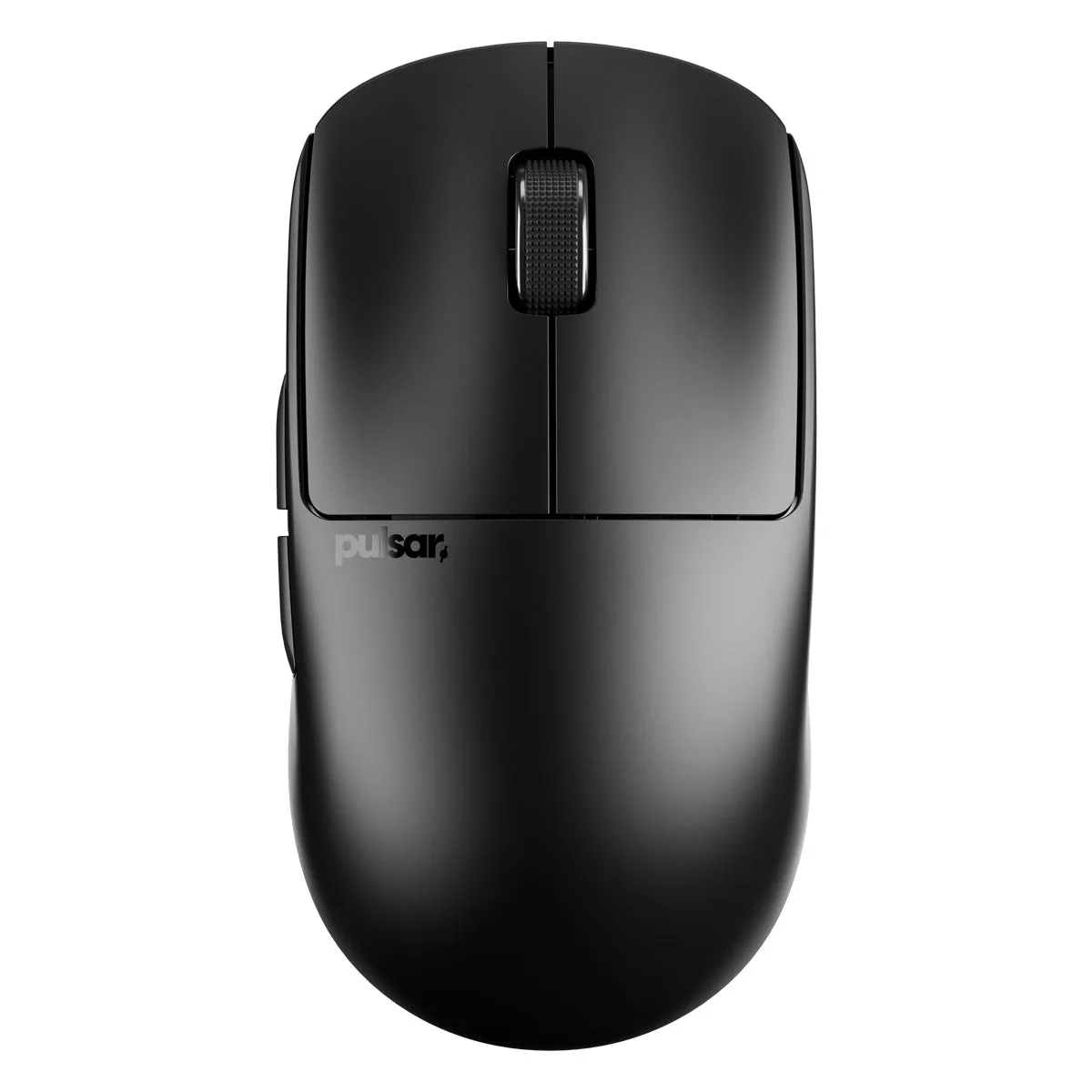
Shape matters more than raw dimensions because two mice with the same length can feel completely different. A rear-humped ergonomic mouse pushes your hand forward, which can be comfortable for palm grip but cramped for fingertip. A flat, symmetrical mini mouse gives you room to reposition, which is why it is the safer default when you are unsure.
- Fingertip grip: prioritize a low, short shell with a flat or gently curved back.
- Claw grip: look for a defined rear hump and a narrow waist for finger control.
- Palm-claw hybrid: choose a mid-height symmetrical shape with moderate rear flare.
Weigh the trade-offs of lightweight shells
A lightweight mouse small hands can control is usually easier to stop and redirect, which helps in tracking-heavy games and low-sensitivity play. The trade-off is that very light shells transmit more of your hand tremor and can feel twitchy if you rely on palm pressure for stability. If you have a light touch, low weight is a clear win; if you grip firmly, a slightly heavier mouse can feel more planted.
Weight also interacts with shape. A 55g mouse with a narrow body can feel less stable than a 65g mouse with a wider rear, because the wider shell gives your palm more surface to push against. Judge weight and shape together, not as separate specs.
- Low-sensitivity flick players: lighter is generally better, provided the shape fits.
- High-sensitivity players: a little extra weight can calm small aiming corrections.
- If a mouse feels too light, try a control-focused mousepad before switching mice.
Skates and grip tape change the fit
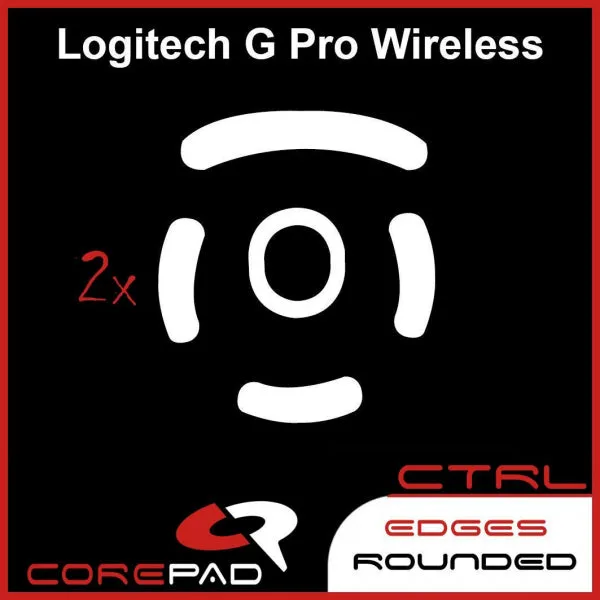
Replacement skates and grip tape are the cheapest way to make a mouse feel custom-fit to a small hand. Skates control how much effort it takes to start and stop movement, while grip tape changes where your fingers contact the shell and how much pressure you need to hold it. Together they can turn a mouse that feels almost right into one that feels deliberate.
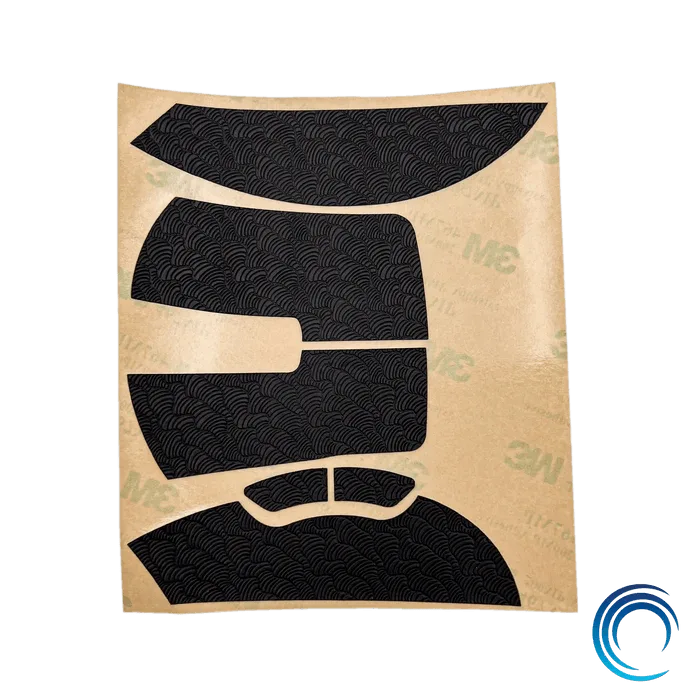
Grip tape is especially useful for small hands because it adds thickness only where you need it. A thin tape on the sides and main buttons can widen the effective grip without changing the shell shape, and a slick or textured surface can reduce the death grip that causes hand fatigue.
- Add grip tape to the sides first, then the buttons, and test before adding more.
- Faster skates suit low-sensitivity play; slower skates help precise micro-adjustments.
- Keep the mousepad surface in mind, since skate feel changes with cloth versus hard pads.
Open-box and budget options are worth considering
Small-handed players often experiment with several shapes before settling, which makes open-box and discounted mice a practical route. Open-box items are sold at a lower price and may show minor signs of prior handling or repackaging, so the savings come with a shorter return window and condition requirements. Read the return terms before buying, because they are stricter than new-item policies.
If you already know the shape you like, spending on skates and grips instead of a second mouse is usually the better value. If you are still searching, an open-box mini mouse lets you test a shape family at a lower cost, then upgrade once you know what fits.
- Check the return window and condition rules before ordering open-box.
- Keep all original components if you might return the item.
- Buy the shape first, then optimize weight and glide with accessories.
Decision rules for buying a small-hand gaming mouse
- Rule 1: Size down when you are between sizes: If your hand length is 17cm or less and you use fingertip or claw grip, choose a mouse around 110-118mm long. A slightly smaller shell is easier to reposition than a slightly larger one you have to stretch for. Checkpoint: you should be able to reach both main buttons and the scroll wheel without shifting your palm.
- Rule 2: Let grip style pick the shape family: Fingertip players should favor low, flat shells; claw players should favor a defined rear hump; hybrid players should favor a mid-height symmetrical shape. Do not buy a rear-heavy ergonomic mouse for fingertip grip just because it is popular. Checkpoint: your ring and pinky fingers should rest, not curl, when your hand is relaxed.
- Rule 3: Treat weight as a tuning knob, not a score: Lighter is not automatically better. If you have a light touch and low sensitivity, go lighter. If you grip firmly or play high sensitivity, a slightly heavier mouse can feel steadier. Judge weight together with shell width. Checkpoint: you can stop the mouse precisely without squeezing it.
- Rule 4: Budget for skates and grip tape: A mouse that is almost right can often be fixed with faster or slower skates and a thin grip tape. Add grip to the sides first, then the buttons, and test each change separately. Checkpoint: your hand should feel relaxed after a full gaming session, not cramped.
- Rule 5: Read return terms before buying open-box: Open-box mice are discounted but may show minor handling signs, and returns are typically limited to a short window with condition requirements. Test fit, clicks, and sensor behavior immediately after delivery and keep all packaging. Checkpoint: confirm the return deadline and condition rules before you order.
Product facts that matter for small hands
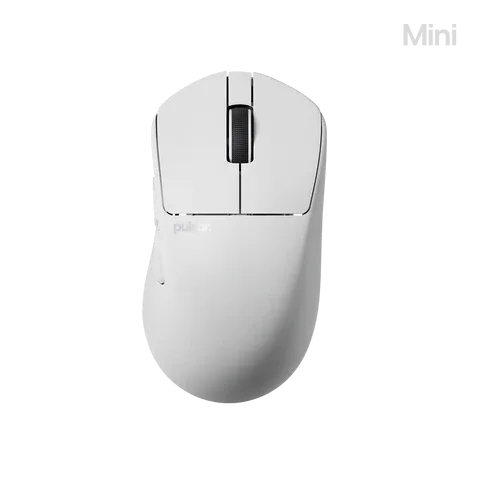
- Pulsar X3 CrazyLight Mini Gaming Mouse - Uyuni White (OPEN BOX): Open Box items are sold at a discounted price and may show minor signs of prior handling or repackaging. Return requests must be submitted within 72 hours of delivery, and items must be returned in the same condition as received, including all original components and accessories. A discounted mini mouse is a low-risk way to test whether a compact shape suits your hand, but the 72-hour return window means you should test fit and clicks immediately after delivery.
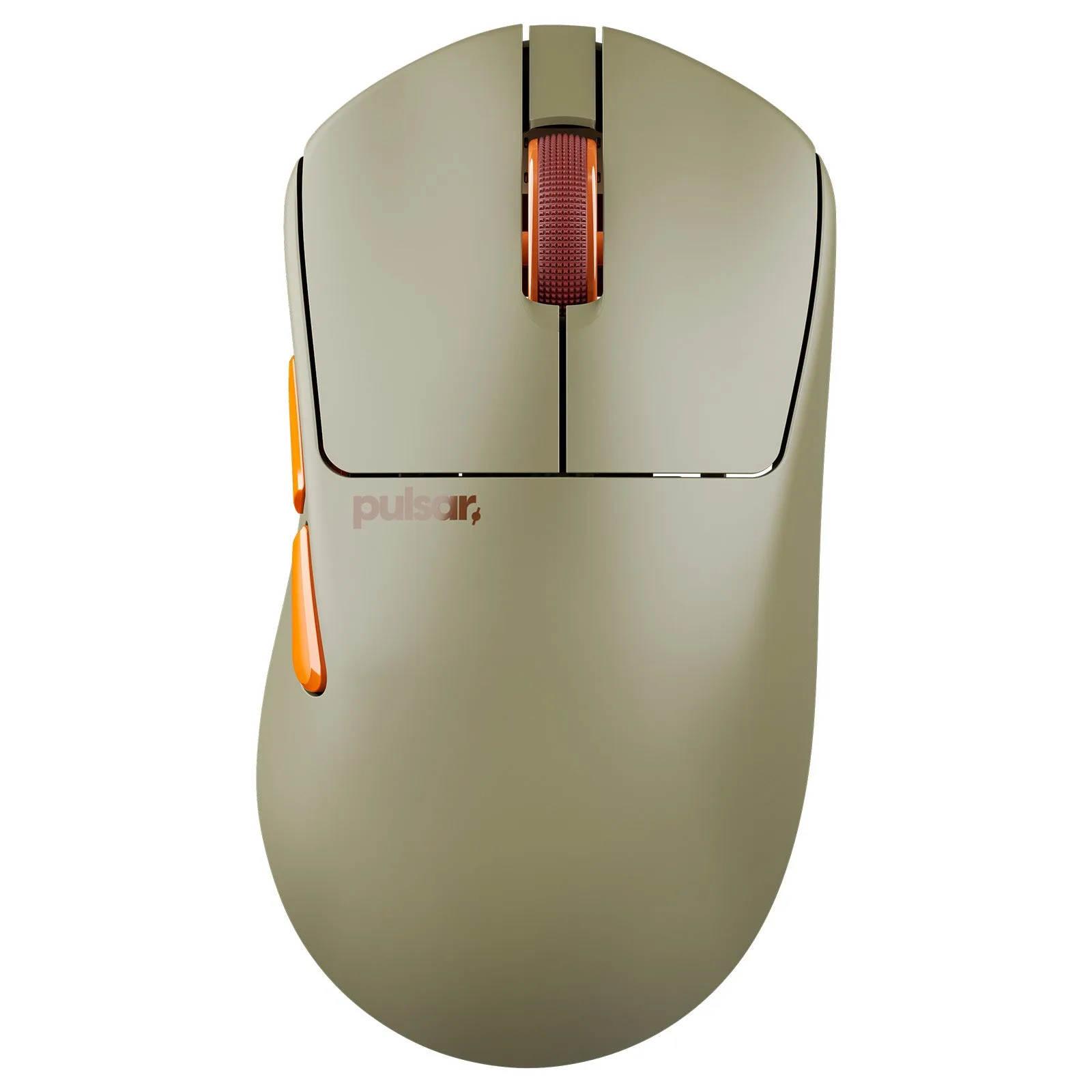
- Pulsar X2 CrazyLight Mini Gaming Mouse - Boardzy Edition (OPEN BOX): This is an Open Box item sold at a discounted price that may show minor signs of prior handling or repackaging, with returns required within 72 hours of delivery and the item returned in the same condition as received. If you are comparing two mini shapes, an open-box second option lets you evaluate both without paying full price, provided you keep the packaging intact during your test period.
- La Onda Grip - RAZER Deathadder V3: La Onda Grip for the RAZER Deathadder V3 is a mouse grip accessory with 0.35mm grip thickness, offered in a Standard option, and designed for use with the RAZER Deathadder V3 mouse. At 0.35mm, this grip adds minimal thickness, which suits small hands that want more hold without widening the mouse or changing its shape.
- Cicada Wings 2.1 Grips - Razer DeathAdder V4 Pro: Cicada Wings Slicks Grip Tape is described as an ultra-thin hybrid grip tape for the Razer DeathAdder V4 Pro, with a sticky coating intended to keep drag clicks from slipping and a hybrid 16-section layout for extended finger contact area. The multi-section layout lets you place grip only where your fingers land, which is useful for small hands that need contact on the sides and buttons without adding bulk elsewhere.
Who this approach fits
Best for
- Players with hand length under about 17cm who use fingertip, claw, or palm-claw hybrid grip
- Players who want a compact, lightweight mouse for low-sensitivity tracking and flicking
- Players willing to tune skates and grip tape to fine-tune fit and glide
Not for
- Players with larger hands who need a full-size ergonomic shell for palm support
- Players who want a single do-everything mouse and will not adjust skates or grip
- Players who need a glass mousepad-compatible skate without checking compatibility first
Start with your hand measurement and grip style, pick a compact shape that lets your fingers rest, then use weight, skates, and grip tape to fine-tune the feel. If you are unsure between two mini shapes, an open-box option lets you test fit at a lower cost, as long as you respect the return window and keep the packaging intact.