Quick Answer
When choosing a book set for a child, focus on the child's age, interests, and reading level. Look for sets that offer a mix of engaging stories and educational value. Consider whether you need a teacher's guide for structured learning or a standalone set for independent reading.
Selecting a book set for a child can feel overwhelming with so many options available. Whether you're a parent, teacher, or gift-giver, understanding what makes a set valuable helps you choose something that will be used and loved.
A good book set isn't just a pile of books; it's a curated collection that supports a child's development. In this guide, we break down the key factors to consider, from content and age appropriateness to the value of accompanying guides.
Consider the Child's Age and Reading Level
Age and reading level are the first filters. A set for a 6-year-old beginner will differ greatly from one for a 12-year-old independent reader. Look for sets that match the child's current abilities but also offer a slight challenge to encourage growth.
For emerging readers, sets with simple vocabulary and supportive illustrations are ideal. For older kids, chapter books with more complex plots and themes are better. Always check the recommended age range, but also consider the child's actual reading skills.
- Check the publisher's age recommendation, but also observe the child's reading habits.
Evaluate the Content and Themes
What does the set cover? Some sets focus on financial literacy, others on cultural diversity, and some on storytelling. Choose themes that align with the child's interests or that you want to introduce. For example, a set about starting a small business can teach entrepreneurship and responsibility.
Look for sets that offer a variety of stories within a cohesive theme. This keeps the child engaged and exposes them to different perspectives. Also, consider the values the stories promote, such as citizenship, empathy, and problem-solving.
- Think about what you want the child to learn beyond reading, like financial skills or cultural awareness.
Format and Accompanying Materials
Book sets come in various formats: physical books, audio ebooks, and multimedia kits. Some include teacher's guides or activity cards. Decide whether you need these extras. For a classroom, a teacher's guide is invaluable. For home use, a simple book set might suffice.
Consider the durability and format. Board books are great for toddlers, while paperbacks are fine for older kids. If the child enjoys listening, audio versions can be a bonus. Some sets offer interactive elements like storytelling cards, which can enhance creativity.
- If you're a teacher, prioritize sets with guides. For parents, think about the child's preferred reading style.
Decision Rules for Choosing a Book Set
- Age appropriateness: Check the recommended age range and compare it to the child's reading level. A set for ages 9-12 will not suit a 6-year-old. Always prioritize age and reading level to ensure the child can engage with the content.
- Educational value: Consider what the set teaches beyond reading. Sets that incorporate financial literacy, cultural awareness, or storytelling skills add extra value. Choose sets that align with your educational goals for the child.
- Support materials: Determine if a teacher's guide or activity cards are necessary. For structured learning, guides are essential; for casual reading, they may be unnecessary. Buy guides only if you'll use them; otherwise, opt for the book set alone to save money.
Featured Book Sets and What They Offer
- C'est plus qu'un boulot!: This book is part of the Bons comptes, bons amis collection, a set of 12 books for youth ages 9 to 12 that address financial literacy and citizenship education. In this story, Natalie and her friends start an organic gardening project and decide to start a small business. This set is ideal for older kids interested in entrepreneurship and real-world skills. It teaches financial literacy through an engaging narrative, making it perfect for parents who want to introduce money management concepts.
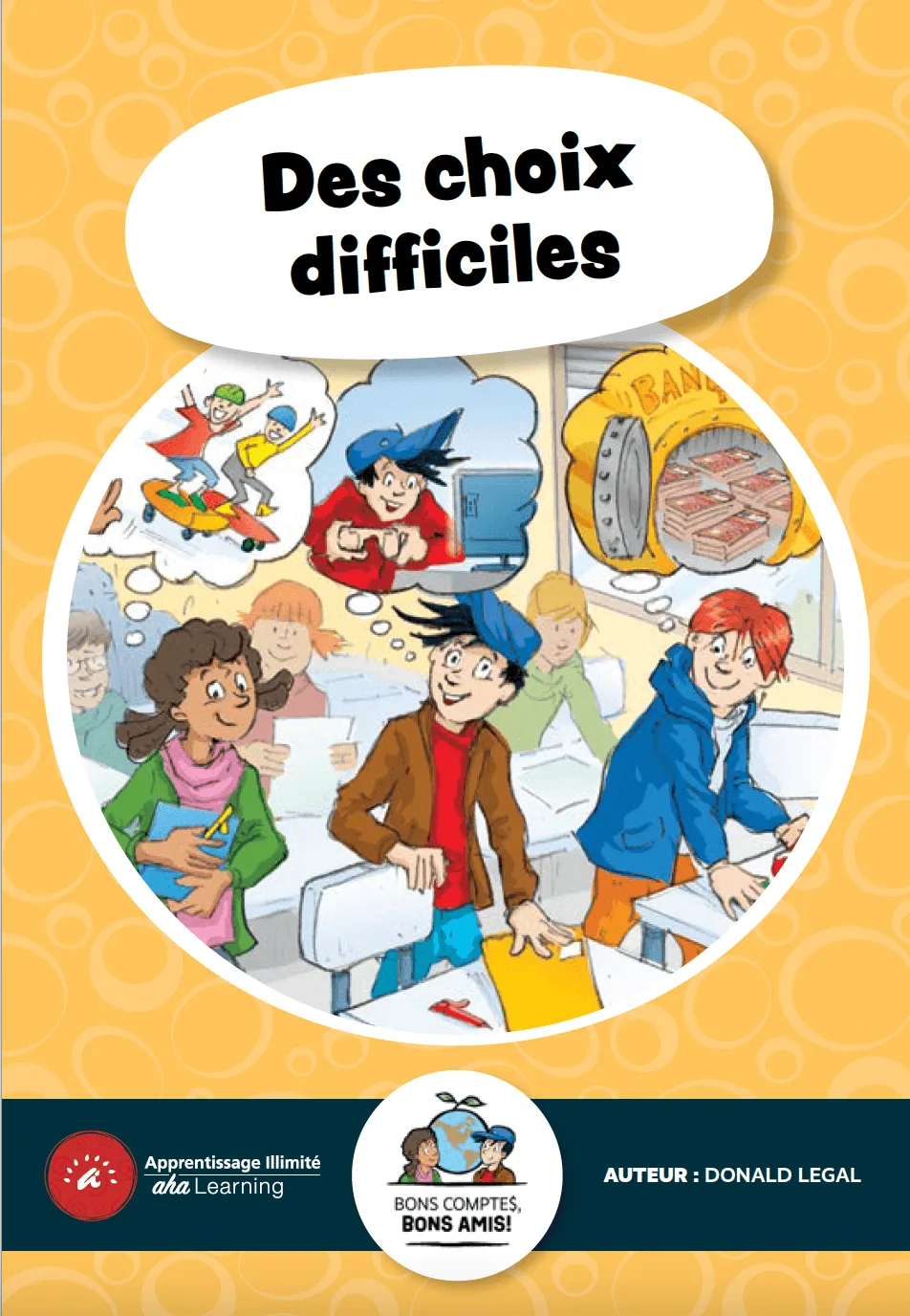
- Des choix difficiles - Teacher's Guide: This guide accompanies the book Des choix difficiles from the Bons comptes, bons amis collection. It offers a multidisciplinary approach, helping teachers address literacy, numeracy, financial literacy, and citizenship education. If you're an educator, this guide turns a single book into a comprehensive teaching tool. It saves preparation time and ensures that the book's themes are thoroughly explored across subjects.
Who Should Choose What
Best for
- Parents of children aged 9-12 who want to introduce financial literacy and entrepreneurship through engaging stories, like C'est plus qu'un boulot!
- Teachers looking for a multidisciplinary resource that integrates literacy and numeracy with real-world themes, such as the Des choix difficiles Teacher's Guide.
Not for
- Very young children (under 6) who need picture books and simpler text.
- Parents seeking a simple storybook without educational extras or guides.
Choosing the right book set comes down to knowing the child's needs and your goals. Whether you're fostering financial literacy or encouraging a love of stories, there's a set that fits. Use these guidelines to make a confident choice that will delight and educate.