Quick answer
For most toddlers, a complete kindergeschirr set with a divided plate, bowl, cup, and soft-edged utensils helps build independent eating skills. Look for BPA-free materials, easy-grip shapes, and dishwasher-safe pieces to simplify cleanup.
Why a dedicated toddler plate set matters
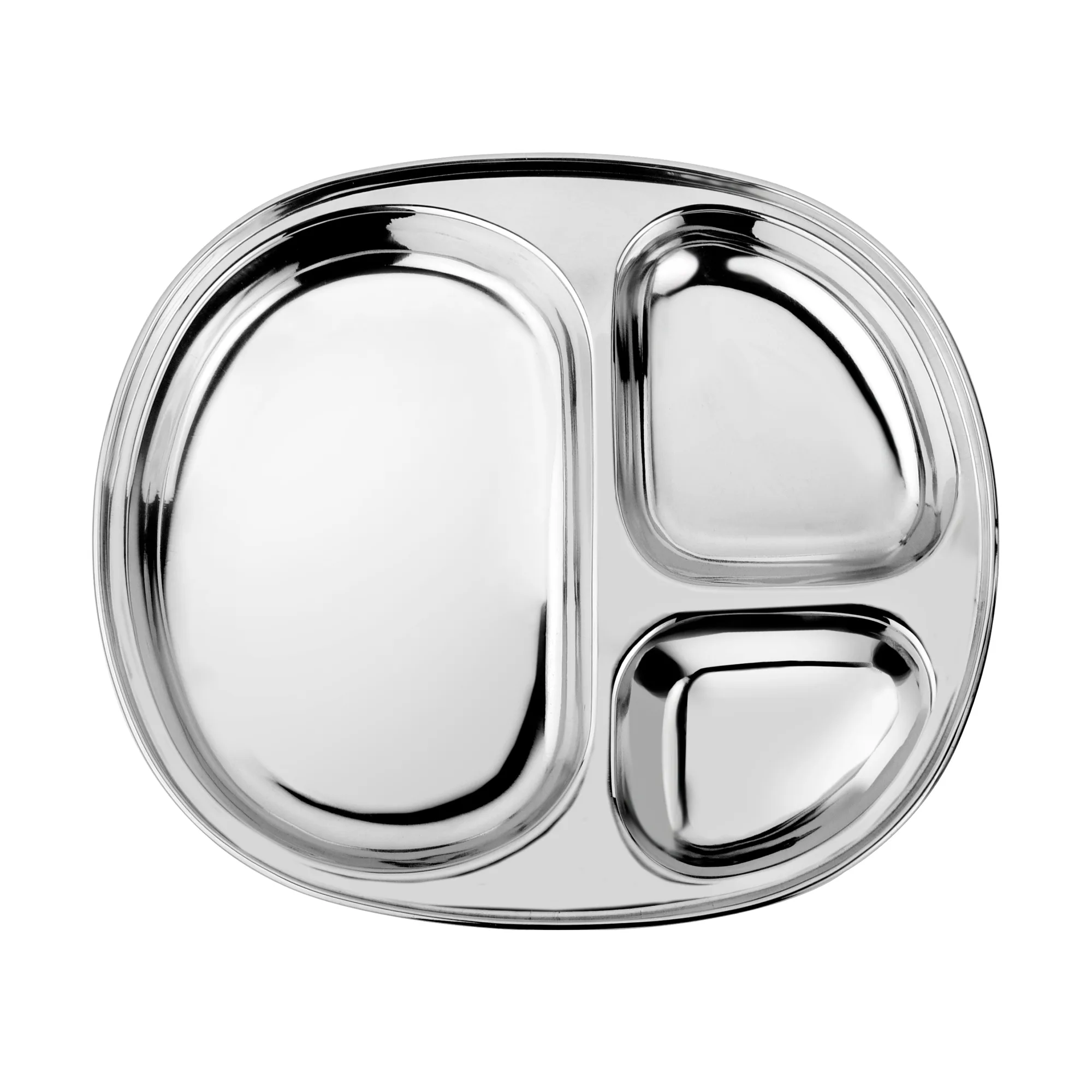
Standard adult dinnerware is often too large, heavy, or fragile for small hands. A toddler plate set uses smaller portions and lighter materials, reducing spills and frustration. Sets designed for children also avoid sharp edges and use rounded contours that are safer during mealtime.
Beyond safety, a childrens dinner set can encourage self-feeding. When plates have divided sections, kids can see their food separated, which some find less overwhelming. Cups without handles (or with wide, stable bases) are easier for little fingers to hold, and soft-tipped utensils protect gums.
Material and safety considerations
Most kindergeschirr sets are made from melamine, polypropylene, or silicone. Melamine is durable and lightweight but should not be microwaved. Polypropylene (PP) is microwave- and dishwasher-safe, making it a practical choice for reheating leftovers. Silicone is soft and flexible but can stain over time.
Regardless of material, check that the set is labeled BPA-free and phthalate-free. Many brands, including koziol, use food-safe plastics that meet EU and US safety standards. Avoid sets with small detachable parts that could pose a choking hazard for younger toddlers.
Ease of use and cleaning
Toddler mealtimes are messy, so easy cleaning is a priority. Look for sets that are dishwasher-safe (top rack recommended for some plastics) and stain-resistant. Non-slip bases or suction cups can keep plates from sliding across the table, which helps reduce spills.
Utensils with wide, chunky handles are easier for toddlers to grip than slim adult cutlery. Rounded, soft edges on spoons and forks are gentler on gums and teeth. Some sets include a cup with a weighted base or a spill-proof lid, though these features add complexity to cleaning.
Decision rules for choosing a kindergeschirr set
- Age and skill level: For children 12–18 months who are just starting self-feeding, choose a set with a divided plate (to reduce food mixing) and soft-tipped utensils. For older toddlers (18–36 months), a set with a cup without handles and a bowl for soups or cereal works well.
- Material preference: If you microwave leftovers, choose polypropylene (PP) or silicone pieces that are labeled microwave-safe. If you prefer a lightweight, shatter-resistant option, melamine is fine but avoid microwaving it. Always confirm the material is BPA-free and phthalate-free.
- Cleaning and durability: Dishwasher-safe sets save time. Look for pieces that are top-rack dishwasher safe and stain-resistant. Avoid sets with intricate crevices or suction cups that trap food. Check the care instructions before buying to ensure the set matches your cleaning routine.
- Portability and storage: If you travel or eat out often, a compact set that nests or stacks is convenient. Some sets come with a storage box or carry bag, which keeps pieces together and clean. Measure your diaper bag or kitchen cabinet to ensure the set fits.
Product spotlight
-
Kindergeschirr-Set HOP ON AT HOME: The set includes a small plate ideal for fruit and snacks, a bowl for porridge or vegetables, a compact cup without handles, and soft-edged utensils with wide grips. This combination covers the basics for self-feeding: the divided plate encourages trying different foods, the cup fits small hands, and the rounded utensils protect tender gums.
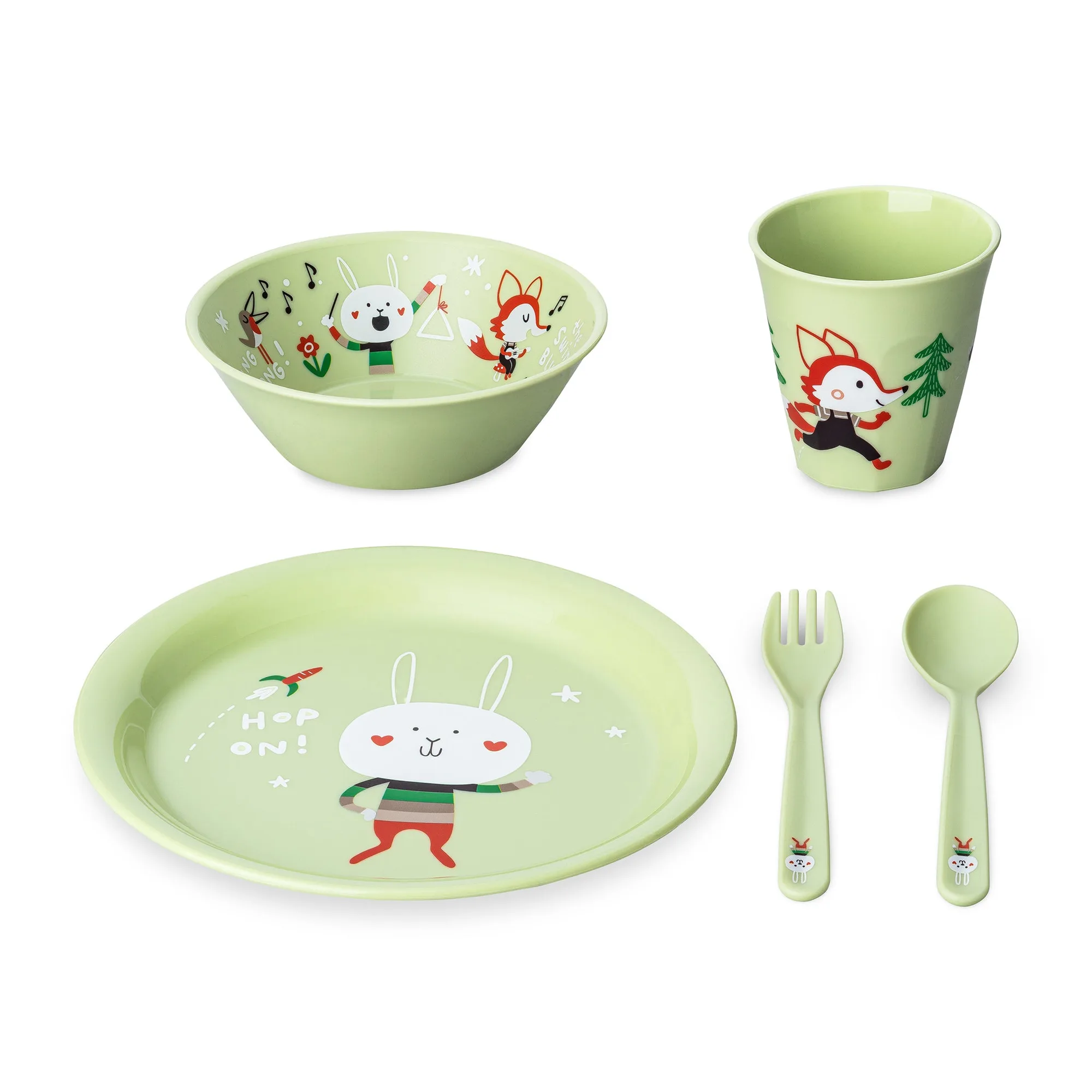
Kindergeschirr-Set HOP ON AT HOME
Who is this kind of set for?
Best for
- Parents of toddlers aged 12–36 months who want a complete, coordinated set for daily meals
- Families who prefer lightweight, dishwasher-safe dinnerware that reduces mealtime mess
Not ideal for
- Parents who need microwave-safe pieces (if the set is melamine-based)
- Children who still use high chairs with small trays that may not fit a full plate