Quick answer
Choose a print size that fills 60–75% of the width of the furniture or wall it hangs above. For a typical sofa (84–96 inches wide), that means a large landscape print around 50–70 inches wide. For a narrow wall, go tall and slim rather than wide. Always measure your wall first, then pick a size that leaves at least 6–10 inches of breathing room on each side.
Start with the wall, not the print
Before you fall for a photograph, measure the wall space you have in mind. Use painter’s tape to outline a few possible sizes directly on the wall. This simple step shows you how a 24×36-inch print compares to a 40×60-inch one in your actual room. Pay attention to obstructions like light switches, door frames, or furniture that might crowd the edges. The goal is to find a size that feels intentional, not squeezed.
Scale art to your furniture
Art hung above a sofa, bed, or console should relate to the furniture’s width. A common rule is to choose art that spans about two-thirds of the furniture’s width. For a queen bed (60 inches wide), a print 36–48 inches wide works well. For a king bed (76 inches wide), aim for 48–60 inches. If you’re hanging a single large landscape print, center it; for a pair or series, leave 2–4 inches between frames.
Sizing for narrow walls
Narrow walls—like those between windows or in hallways—call for vertical orientation. A tall, slim print (e.g., 24×36 inches) uses the height without overwhelming the width. Avoid wide panoramic formats here; they can make the wall feel cramped. If you have a very tall narrow space, consider stacking two smaller prints vertically with consistent spacing.
Wildlife vs. landscape: subject considerations
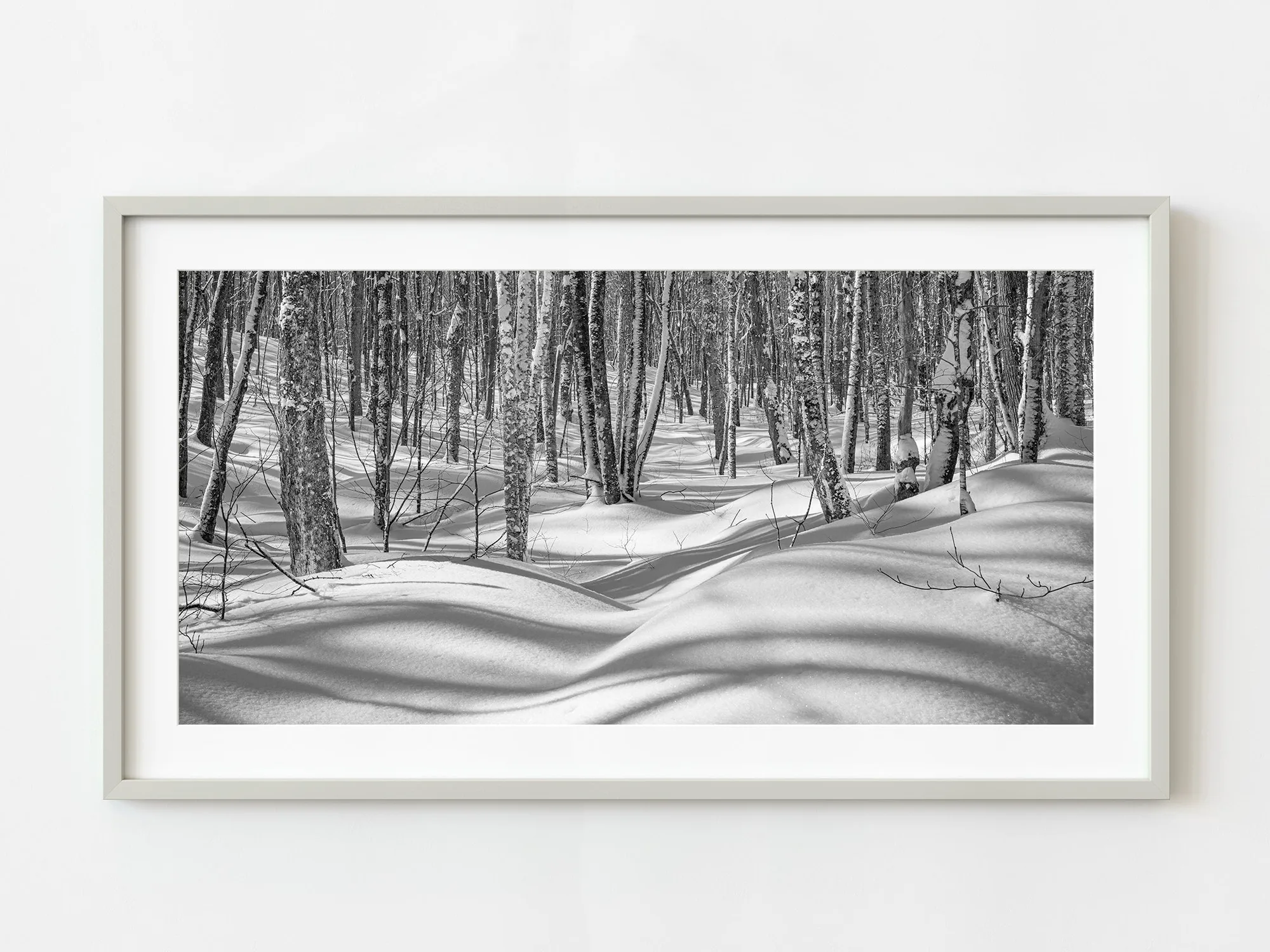
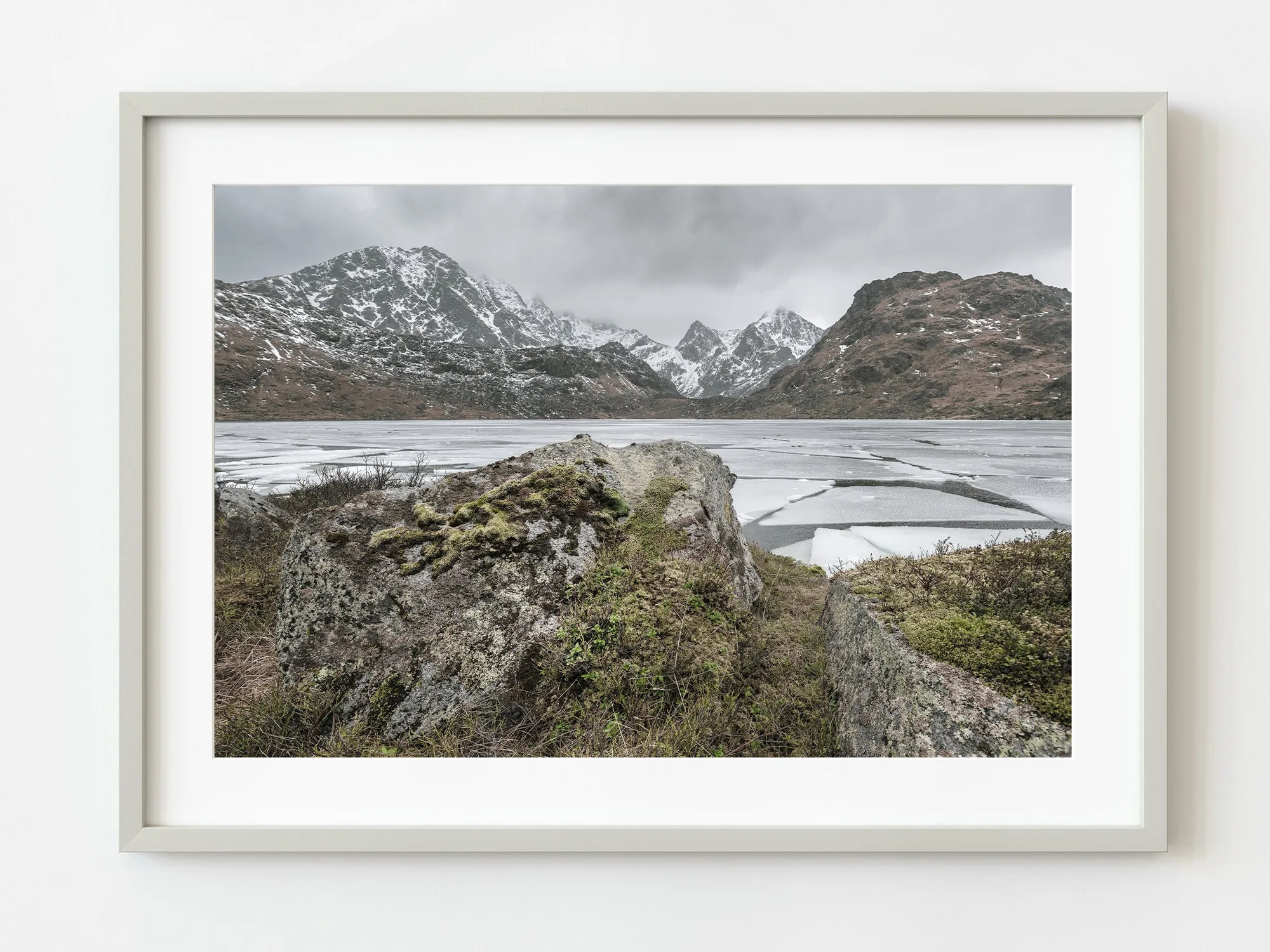
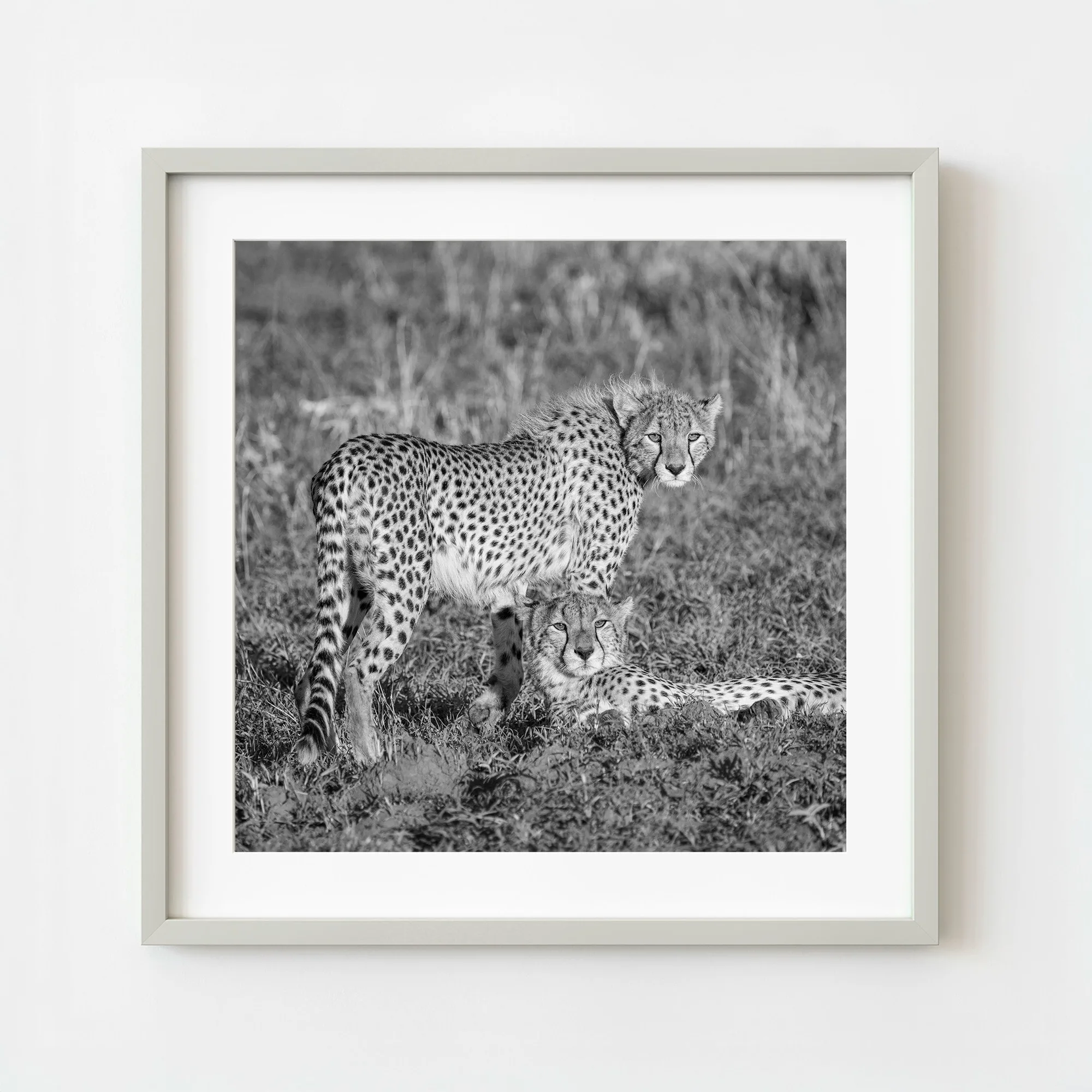
Wildlife photographs often feature a single subject that benefits from a larger scale to reveal detail—think the watchful posture of a cheetah. Landscape prints, especially those with vast vistas, can work well in panoramic or large formats to convey depth. But a dense forest scene may become too busy if oversized; sometimes a medium print lets the eye rest. Match the size to the story: intimate moments can be smaller, grand vistas can be larger.
Standard print sizes and where they fit
Common fine art print sizes include 8×10, 11×14, 16×20, 24×36, and 40×60 inches. Use 8×10 and 11×14 for gallery walls or small spaces like powder rooms. 16×20 suits a modest wall or above a desk. 24×36 is a versatile size for living rooms and bedrooms. 40×60 makes a statement in large rooms or above a sofa. Remember that these are image sizes; framing adds several inches to the overall dimensions.
Decision rules for sizing your print
- Above a sofa or bed: Measure the furniture width. Choose a print that spans 60–75% of that width. For a standard sofa (84–96 inches), a 50–70 inch wide print works. For a queen bed (60 inches), a 36–48 inch wide print fits. Leaves balanced negative space on each side.
- Narrow wall (less than 30 inches wide): Opt for a vertical orientation. A 24×36 inch print is a safe maximum width. Avoid wide panoramas. If the wall is very tall, stack two smaller prints with 2–3 inches between them. Prevents the wall from feeling cramped.
- Large open wall (over 8 feet wide): Consider a 40×60 inch print or a series of two to three prints. For a single print, it should occupy at least half the wall width to avoid looking lost. Creates a focal point without overwhelming the room.
- Small space or gallery wall: Use 8×10, 11×14, or 16×20 inch prints. Group them with consistent spacing (2–3 inches) to form a cohesive arrangement. Allows flexibility and variety without crowding.
Product facts to ground your choice
- Tanzania Serengeti Cheetahs Wildlife Photography Black And White Grasslands Calm Fine Art Wall Art | Limited Edition of 10: Two cheetahs in the Serengeti, captured in a quiet moment with one standing watchful, shoulders up, head turned. A single-subject wildlife image like this rewards a larger print size, where the cheetah’s posture and expression become the focal point.
- View over Vikvatnet Lake Norway | Limited Edition of 10: View over Vikvatnet Lake in Norway, with calm waters mirroring the sky and early morning mist. A serene landscape with mist and reflection often works well in a wide format to emphasize the stillness and depth of the scene.
- Dense Haliburton forest trees in the winter | Limited Edition of 10: Dense Haliburton forest trees in winter, branches laden with snow creating an intricate pattern. A highly detailed, textured image like this can become overwhelming if printed too large; a medium size preserves the pattern without visual noise.
Is this guide right for you?
Best for
- Homeowners choosing a single statement print for a living room or bedroom
- Collectors who want to scale art to existing furniture
- Anyone dealing with a narrow or awkward wall space
Not for
- Buyers looking for advice on print finishes or framing (see our other guides)
- Those seeking edition-size investment advice
- People who have already measured and just need to pick a specific image