Quick answer
For most planted tanks, a nutrient-rich aquascaping soil is the best base because it feeds roots and buffers pH. If you prefer gravel or sand for aesthetics, you must add root tabs to supply nutrients. Your choice ultimately depends on whether you prioritize plant growth, ease of cleaning, or budget.
Gravel vs Sand vs Soil: Key Differences
Gravel is inert and heavy, making it easy to clean with a siphon. It works well for large rooted plants if you add root tabs, but it offers no nutrients on its own. Sand compacts over time, which can suffocate roots unless you use a deep layer or mix in a coarse additive. Aquascaping soil is porous and rich in organic matter, promoting strong root growth and helping to lower pH naturally. The trade-off is that soil can cloud water during setup and may need replacement after 12–18 months as nutrients deplete.
When to Use Root Tabs
If you choose an inert substrate like gravel or sand, root tabs are essential for heavy root feeders such as Amazon swords and crypts. Insert a tab near the root zone every 2–3 months. Even with aquascaping soil, some fast-growing stems benefit from occasional tabs after the soil's initial nutrients fade. Root tabs are a simple way to target fertilizer without altering water chemistry.
Depth and Layering Tips
Aim for at least 2–3 inches (5–8 cm) of substrate to anchor roots and allow for root development. A common approach is to layer nutrient-rich soil at the bottom and cap it with gravel or sand to prevent clouding and make replanting easier. Avoid mixing fine sand directly with soil, as it can create anaerobic pockets. Use a gentle slope from back to front for depth perception and easier cleaning at the front glass.
Decision Rules for Choosing Substrate
- Rule 1: Match substrate to plant type: Heavy root feeders (swords, crypts, val) need nutrient-rich soil or root tabs. Stem plants and floaters can thrive in inert gravel with liquid fertilizers. Check your plant list before buying substrate.
- Rule 2: Consider maintenance effort: Gravel is easiest to vacuum. Sand requires careful siphoning to avoid removing it. Soil can cloud water for days after initial setup and may need replacement every year. If you dislike frequent water changes, gravel with root tabs is low-maintenance.
- Rule 3: Budget vs long-term cost: Aquascaping soil costs more upfront but includes nutrients. Inert gravel is cheaper initially but requires ongoing root tab purchases. Sand is inexpensive but may need additional additives. Calculate total cost over 12 months, not just the bag price.
Products That Support Your Substrate Choice
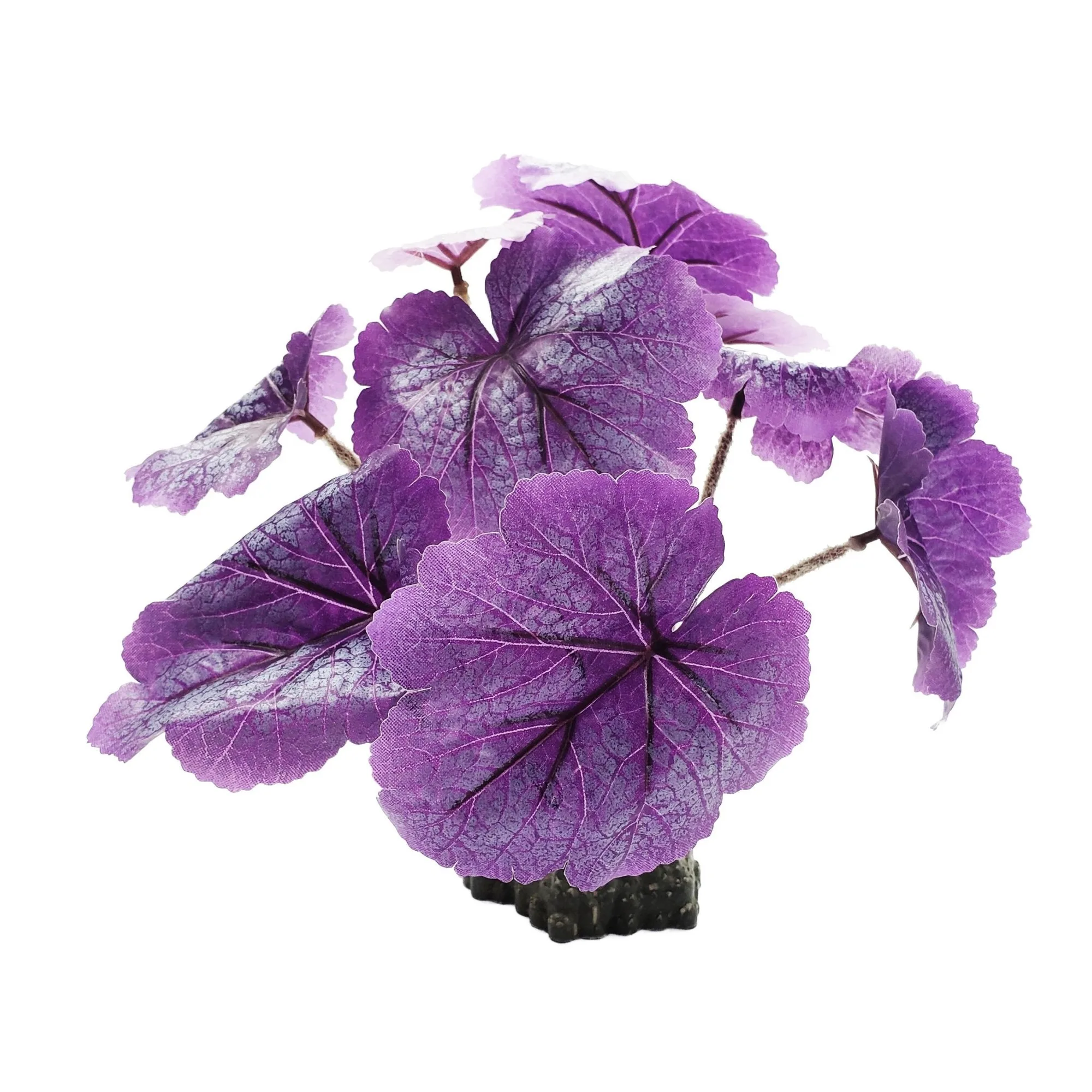
- Artificial Aquarium Medium Plastic Yellow Lilly Plant: Size: 21x5.7 cm (H*L). Suitable for freshwater and saltwater aquariums. Made from 100% aquatic safe plastics, free from BPA and DEHP. UV treated to prevent premature colour fading. If you choose an inert substrate like gravel, adding artificial plants like this plastic lily provides consistent color without relying on soil nutrients. The UV treatment ensures the plant won't fade under aquarium lights.
- Artificial Aquarium Extra Large Plastic Silk Lilly Plant: Size: 45 x 17 cm (H*L). Perfect for deep tanks. Made from 100% aquatic safe plastics, free from BPA and DEHP. UV treated to prevent premature colour fading. In deep planted tanks with a thick soil layer, this extra-large silk lily fills the background without competing for root nutrients. It's a reliable option for low-light areas where live plants struggle.
Which Substrate Is Right for You?
Best for
- Aquascapers who want lush, fast plant growth with minimal supplementing
- Beginners who want a simple, forgiving substrate that feeds plants automatically
Not for
- Keepers who prioritize easy cleaning and frequent rescapes
- Budget-focused setups where the substrate must last several years without replacement