Quick answer
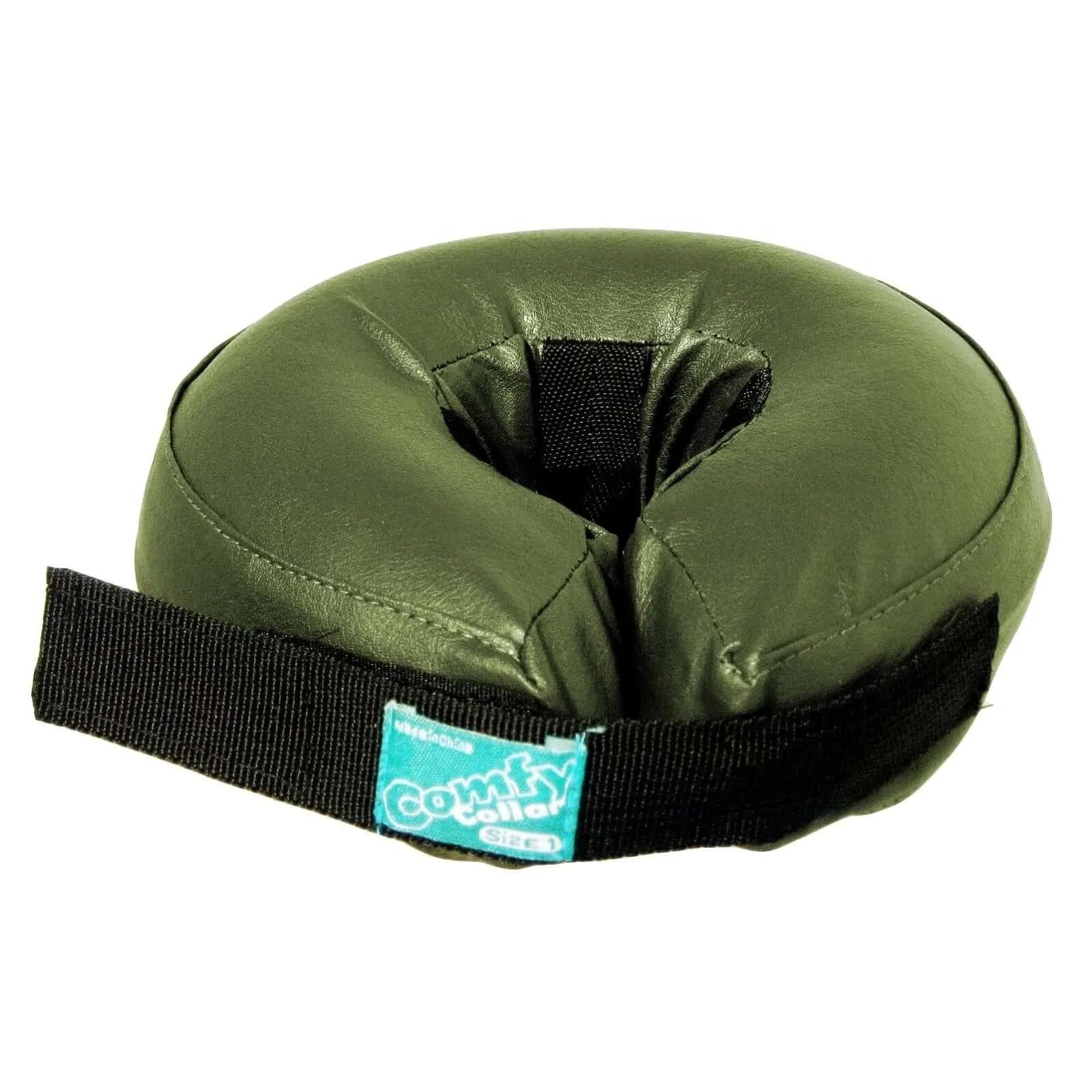
For everyday wear, choose a lightweight, adjustable collar that fits two fingers snugly under the band and carries a tag. For cats, pick a breakaway or quick-release buckle so the collar can slip free if it snags. For dogs, match width to neck size and use a metal D-ring for leash attachment. If your pet is recovering from a wound or surgery, a soft recovery collar like the Thrive Comfy Collar is designed to prevent licking and scratching while letting your pet eat, sleep, and see normally.
Everyday vs. recovery: two different jobs
A daily collar holds ID and a leash; it needs to be light, secure, and comfortable enough to forget. A recovery collar stops your pet from reaching a wound, incision, or hot spot. These are separate purchases with separate fit rules, so don't try to make one collar do both jobs. For daily wear, prioritize a buckle that releases under load for cats and a sturdy metal D-ring for dogs. For recovery, prioritize soft edges and full visibility so your pet can eat, drink, and move without panic.
Fit checks that prevent most problems
Measure the neck at its widest point, then add about two finger-widths of slack for daily collars. A collar that's too loose can slip over the head; too tight can rub hair away or press on the trachea. Check fit monthly for puppies and kittens, and after any grooming appointment. For recovery collars, confirm the pet can see their food bowl and reach it without the collar dragging. If the collar shifts or the pet freezes, adjust the size or try a different style.
Materials and hardware that hold up
Nylon webbing is lightweight and dries fast, which suits active dogs and cats that go outdoors. Leather is durable but heavier and needs conditioning. Metal buckles last longer than plastic but add weight; plastic side-release buckles are easier for cats because they break away under pressure. For dogs over roughly 15 kg, a wider collar spreads leash pressure and a welded D-ring is worth the upgrade. Whichever material you choose, run a fingernail along the inside edge — any roughness will rub over time.
How to introduce a new collar without stress
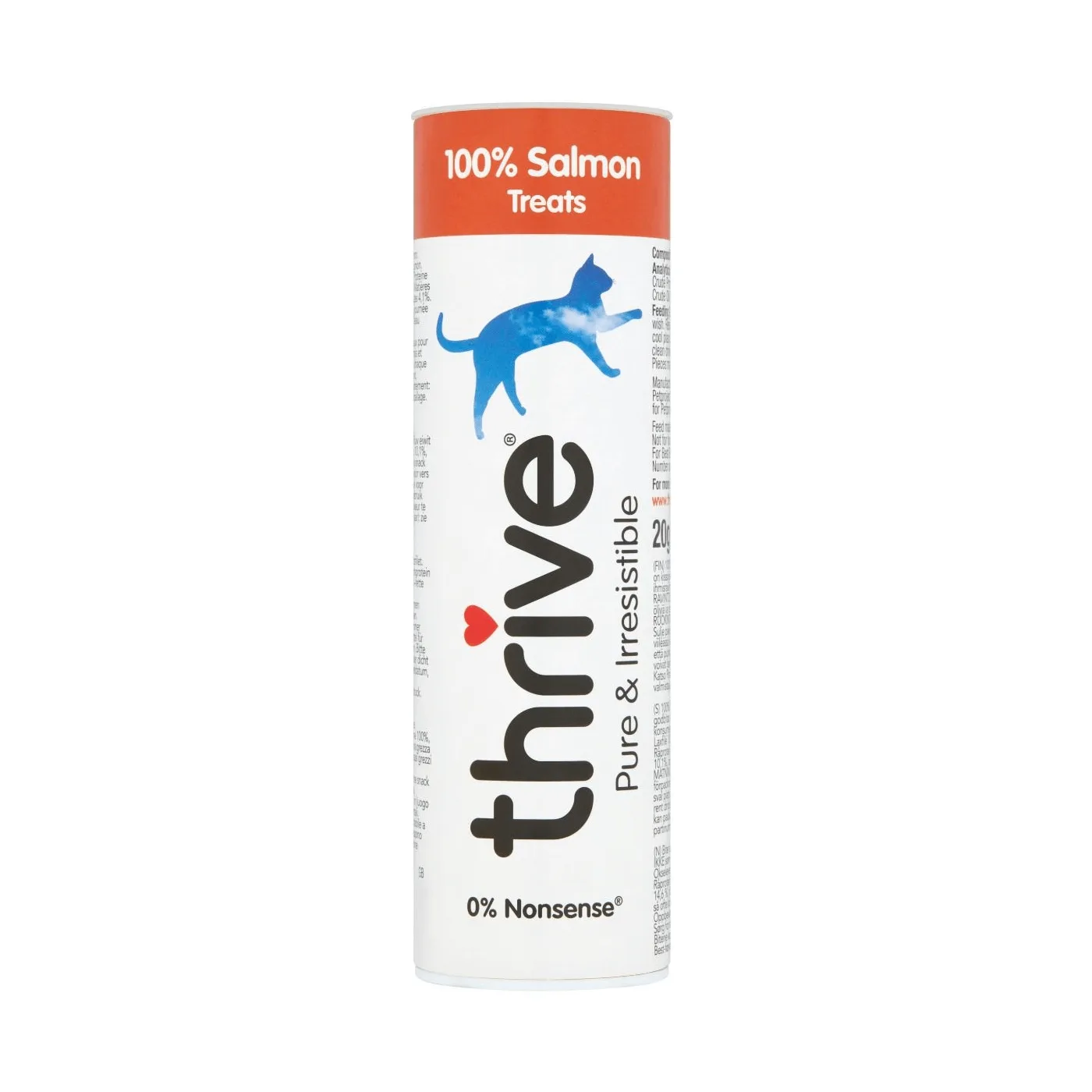
Let your pet sniff the collar first, then put it on for a few minutes during a meal or treat session. Pair it with something positive, like a Thrive Salmon Treat for Cats, so the collar predicts good things. Increase wear time gradually over a week. For recovery collars, start with short supervised sessions and remove it only when you can watch your pet. Never leave a recovery collar on an unsupervised pet if it restricts breathing or vision.
Decision rules for choosing a collar
- If your pet is recovering from surgery or a wound: Choose a recovery collar like the Thrive Comfy Collar in the correct size. It is designed to block licking and scratching while allowing normal eating, sleeping, and vision. Do not use a daily collar for recovery; it won't stop licking.
- If you need a daily collar for a cat: Pick a breakaway or quick-release buckle and a lightweight material. Test that the collar releases with a firm pull before letting your cat wear it unsupervised. Safety release is non-negotiable for cats.
- If you need a daily collar for a dog: Match collar width to your dog's size: narrow for small breeds, wider for large breeds. Use a metal D-ring for leash attachment and check the stitching monthly. A worn D-ring or frayed stitching means replace the collar.
- If your pet has sensitive skin or a thick coat: Look for rolled or padded edges and avoid metal hardware that sits directly on the skin. For double coats, a thinner collar sits closer and rubs less. Comfort is a fit issue, not a style issue.
Product facts
- Thrive Comfy Collar for Cat and Dog: The Thrive Comfy Collar prevents your pet from biting, scratching, or licking wounds, incisions, or other injured areas. This is a recovery collar, not a daily ID collar. Choose it when your vet has asked you to stop your pet from reaching a wound.
- Thrive Comfy Collar for Cat and Dog: This comfortable collar allows your cat or dog to sleep and eat in a normal position, while also maintaining their ability to see normally. Better visibility and normal eating posture reduce stress during healing compared with a rigid cone.
- Thrive Salmon Treats for Cats 20g: Thrive Salmon Treats for Cats are a delicious and healthy reward made with 100% real Salmon pieces and nothing else. A single-ingredient treat is useful for positive reinforcement when introducing a new collar or recovery collar.
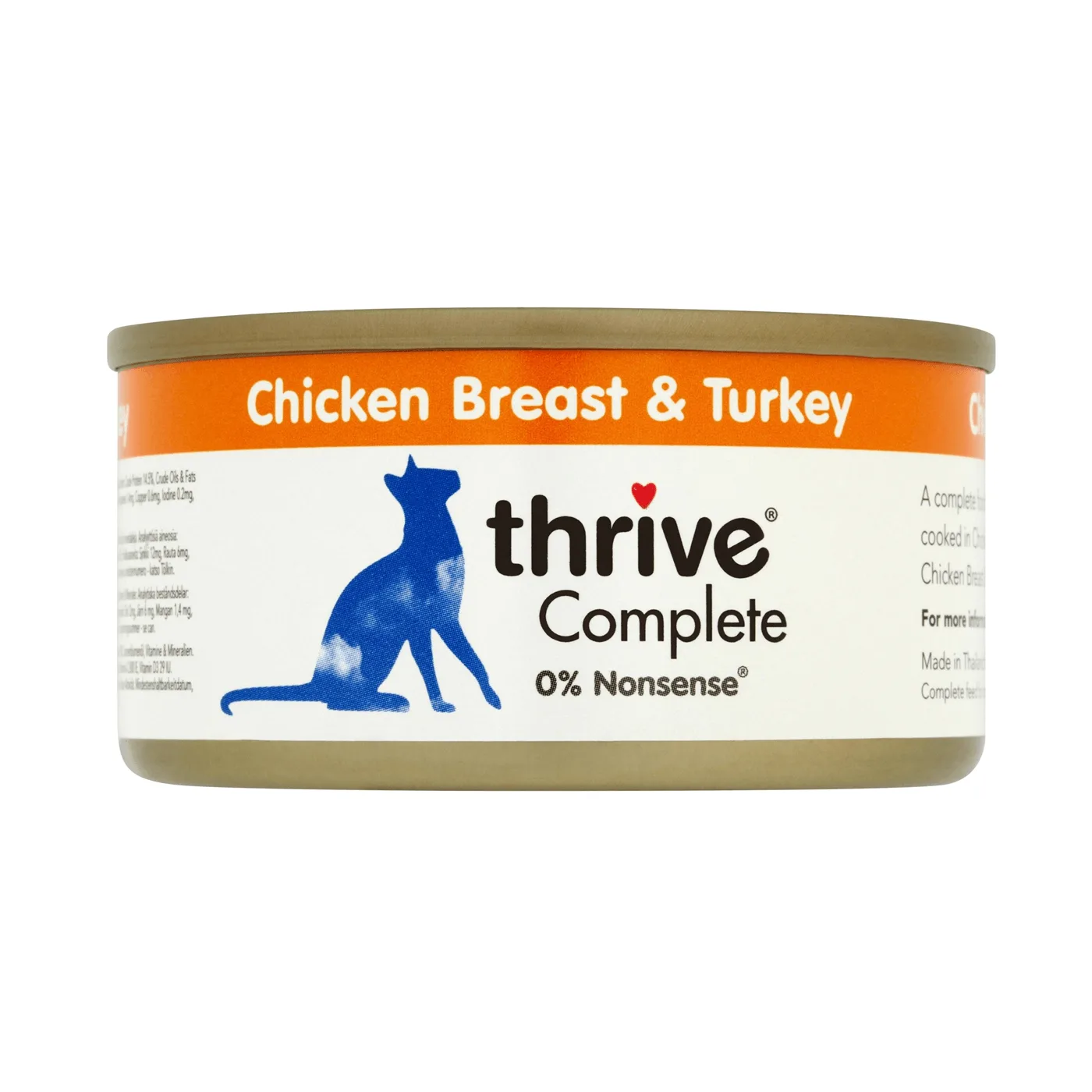
- Thrive Complete Chicken Breast & Turkey Cat Food 75g: Thrive Complete Chicken Breast & Turkey Cat Food is a premium cat food made with 100% real chicken breast and turkey as the only sources of protein. A wet food meal can be used as a calm, high-value reward during collar training sessions.
Fit guidance
Best for
- Pets recovering from surgery or with a wound that must not be licked
- Owners who want a recovery collar that allows normal eating, sleeping, and vision
- Cats and dogs that need a comfortable alternative to a rigid cone
Not for
- Everyday identification or leash walking (use a standard collar with a tag and D-ring)
- Pets that are unsupervised and may try to remove the collar
- Owners looking for a training or no-pull collar