Quick answer
For most kids, the right pedal is a flat platform pedal sized to their shoe, with a grippy surface and a standard 9/16-inch thread. Replace pedals when they crack, spin roughly, lose grip, or when your child's feet outgrow the platform. Don't buy oversized or metal-pin pedals for a young beginner; fit and control matter more than features.
Pedals are one of the most overlooked parts on a child's bike, yet they are the main contact point between your kid and the ride. A pedal that is too small, too slippery, or damaged makes every trip harder and can shake a new rider's confidence. The good news is that choosing the right ones is straightforward once you know what to measure.
This guide walks through the practical decisions: when replacement is worth it, how to match threads and size, and which pedal style fits different ages and riding goals. It also covers how Prevelo's own parts fit into the picture, including grips and outlet bikes that can make a hand-me-down or upgrade feel new again.
grips
When pedal replacement makes sense
Pedals take a beating. They get scraped on curbs, dropped on pavement, and ridden through puddles. Replace them when you see a cracked body, a bent spindle, or a pedal that wobbles or grinds when you spin it by hand. A pedal that no longer spins smoothly is a safety issue, not just an annoyance.
Also replace pedals when your child's feet have outgrown the platform. If their toes hang over the front edge or their heel slips off the back, they are losing power and stability on every stroke. A properly sized platform supports the ball of the foot and leaves a little room to spare.
- Spin each pedal by hand: rough or gritty movement means the bearings are worn.
- Check for cracks around the spindle and any sharp edges that could catch a shin.
- Look at shoe position: if the foot overhangs the platform, size up.
Match the thread before anything else
Almost all kids' bikes use a 9/16-inch pedal thread, but it is worth confirming before you buy. The left and right pedals are threaded differently so they don't loosen as you ride, and they are usually marked L and R. Installing them on the wrong side can damage the crank arm.
If you are unsure, check the crank arm near the pedal hole or ask the bike's manufacturer. Once you know the thread, you can focus on platform size, material, and grip. Prevelo's product pages list the available options for each part, so you can match what you need without guessing.
- Left pedals are reverse-threaded; right pedals are standard-threaded.
- Hand-thread the pedal first to avoid cross-threading, then tighten.
- If a pedal won't start by hand, stop and check the thread direction.
Platform size and shape for small feet
A good kids' pedal is wide enough to support the shoe without being so large that it catches on the ground during turns. For ages 3 to 6, a compact platform with a slightly concave shape helps the foot settle in the middle. For ages 7 and up, a slightly larger platform gives more room for pedaling efficiency on longer rides.
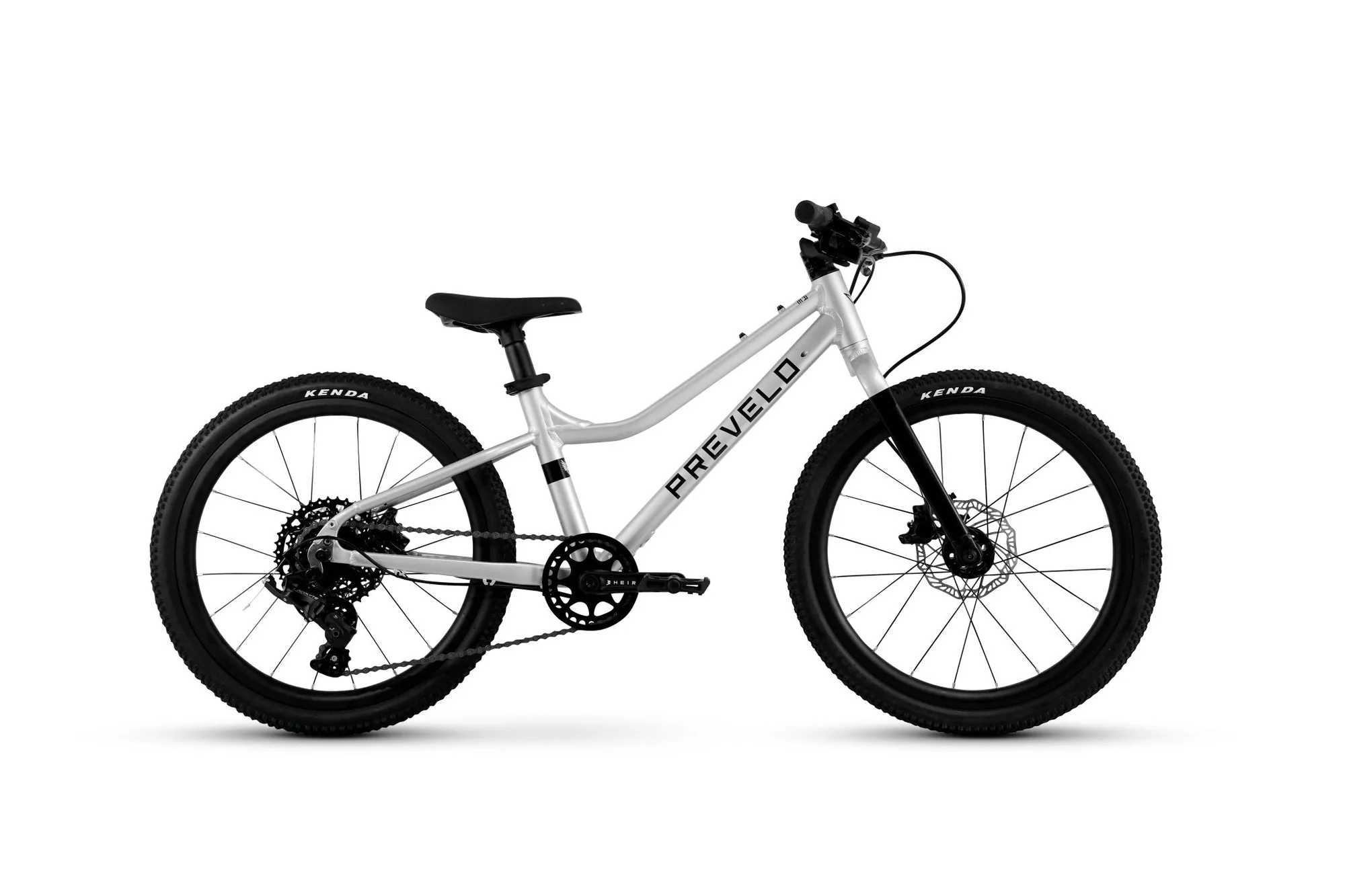
Thin pedals reduce the chance of pedal strike on uneven ground, which matters for kids on 20-inch bikes and up. If your child rides a Prevelo Alpha Three, for example, the bike is designed for confident riders ages 5 to 9, so a pedal that matches that size range will feel more natural than an adult pedal.
Alpha Three
- Ages 3-6: compact platform, rounded edges, low profile.
- Ages 7-10: medium platform with room for the full ball of the foot.
- Avoid adult-sized pedals on kids' bikes; they can feel unstable and hit the ground.
Grip, material, and pedal types
There are two main pedal types for kids: platform pedals with molded plastic or rubber surfaces, and platform pedals with metal pins. Molded plastic is the better choice for beginners because it grips well enough in dry conditions and won't scrape shins as badly. Metal pins offer more traction in wet or muddy conditions but can be harsh on bare legs.
Composite bodies are lightweight and affordable, while aluminum bodies are stronger and often thinner. For most families, a composite platform pedal with a textured surface is the sweet spot. If your child rides in wet weather or on trails, a metal-pin pedal with a replaceable pin design may be worth the trade-off.
- Beginners: plastic or rubber platform pedals with molded texture.
- Trail or wet-weather riders: metal-pin pedals with a low profile.
- Check that the pedal surface is not worn smooth; replace if grip is gone.
How pedals fit into a growing-bike plan
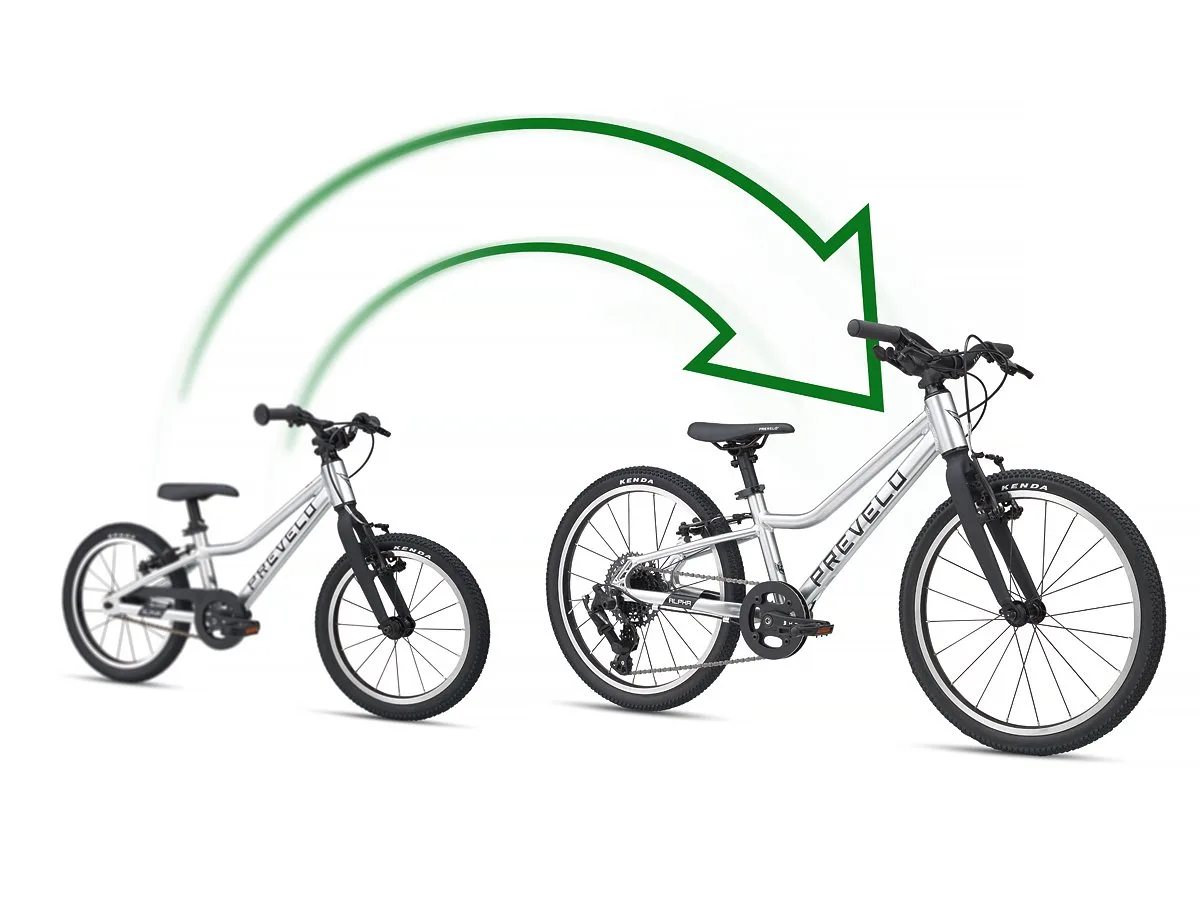
Pedals are a small part, but they are part of a bigger system: the bike has to fit your child as they grow. Prevelo's Trade-Up Club is designed for exactly that. Members send back a previous Prevelo bike and get 40% of the original purchase price back, and Prevelo pays return shipping. That makes it easier to move up to the next size instead of stretching a bike that no longer fits.
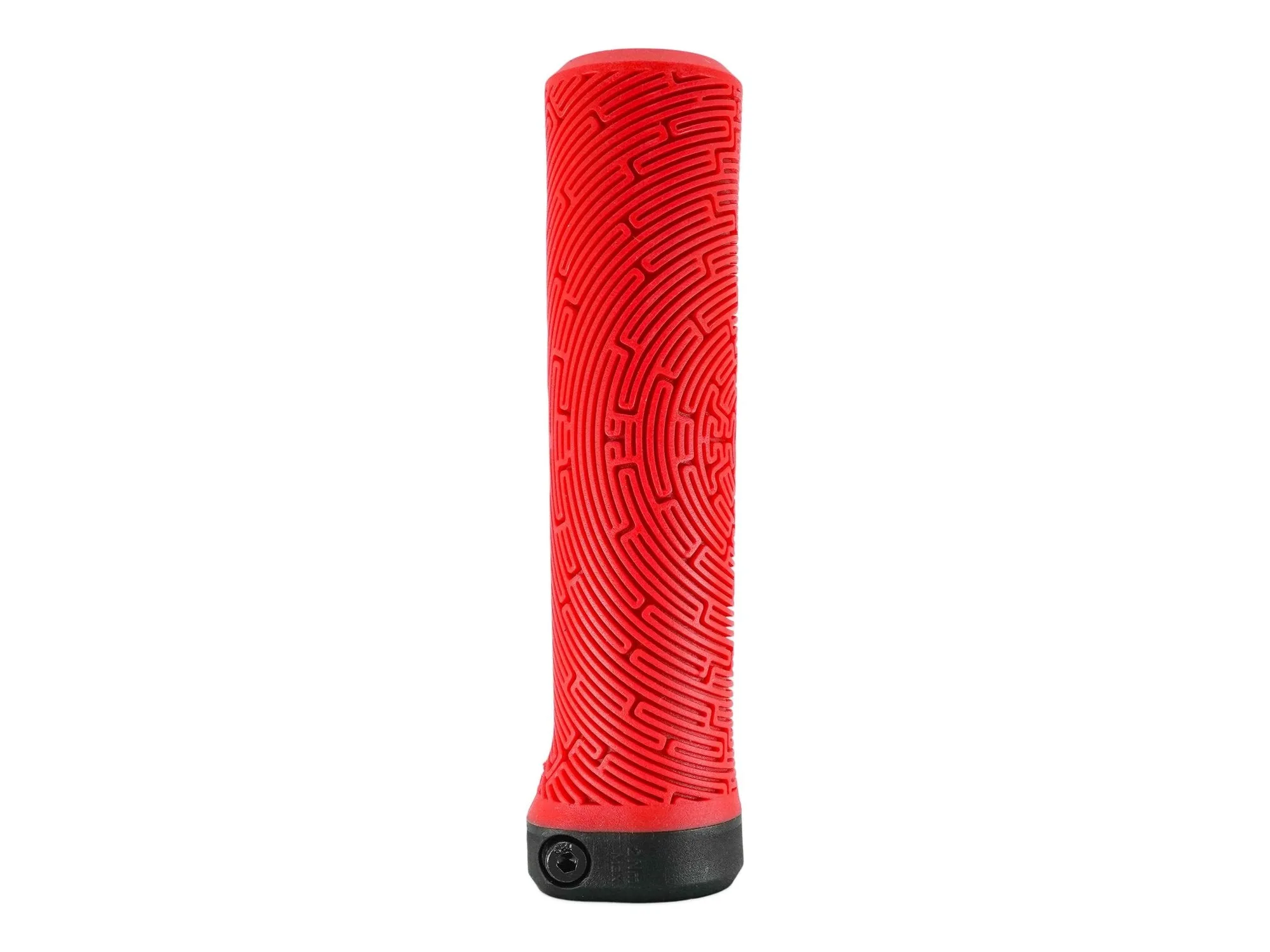
If you are refreshing a hand-me-down or outlet bike, start with the contact points: pedals, grips, and the saddle. Prevelo's colored lock-on grips use the same Kraton rubber surface as the stock grips, so you can restore comfort and add color at the same time. Small upgrades like these can make an older bike feel new without replacing the whole thing.
- Use the Trade-Up Club when your child has outgrown the frame, not just the pedals.
- Refresh grips and pedals together for a noticeable comfort upgrade.
- Keep the original pedals if they still spin smoothly; they are easy to reuse.
Decision rules for choosing kids' bike pedals
- Rule 1: Match the thread first: Confirm 9/16-inch threading and note that left and right pedals are reverse-threaded differently. If you cannot confirm the thread, check the crank or ask the manufacturer before buying. Wrong thread means a wasted purchase and possible crank damage.
- Rule 2: Size the platform to the shoe: The ball of the foot should sit on the platform with a little room to spare. If toes or heels overhang, go wider. If the pedal hits the ground in turns, go thinner. Fit beats features for riders under 10.
- Rule 3: Choose grip level by riding conditions: Molded plastic or rubber is enough for dry pavement and beginners. Metal pins add traction for wet weather and trails but are harder on shins. Pick the least aggressive grip that still holds the shoe securely.
- Rule 4: Replace when worn, not on a schedule: Spin the pedal by hand and check for wobble, grinding, cracks, or smooth worn surfaces. Replace immediately if any of these appear. A smooth-spinning, grippy pedal is a safety part.
- Rule 5: Refresh contact points together: When you replace pedals, inspect grips and the saddle. Prevelo's lock-on grips match the stock Kraton rubber, so comfort stays consistent. Small contact-point upgrades can revive a hand-me-down bike.
Prevelo parts that support a pedal decision
- Prevelo Factory Trade-Up Club: Members send back a previous Prevelo bike and get 40% of the original purchase price back, with Prevelo paying return shipping. Membership is lifetime. If your child is outgrowing the bike, not just the pedals, this program lowers the cost of moving to the next size instead of forcing a too-small frame to work.
- Grips: These colored lock-on grips use the same high-quality Kraton rubber surface as the grips that come standard on Prevelo bikes, and black versions are direct replacements. All grips are sold as a pair. When you replace pedals, worn grips are the other contact point worth refreshing. Matching the stock rubber keeps the feel consistent for your child.
- Alpha Three: The Alpha Three Mk III is a lightweight 20-inch geared bike designed for confident young riders ages 5 to 9, with an 8-speed Microshift drivetrain and Promax hydraulic disc brakes. If your child rides a bike in this size and age range, choose pedals sized for that platform rather than adult pedals, so the fit and control match the bike's intent.
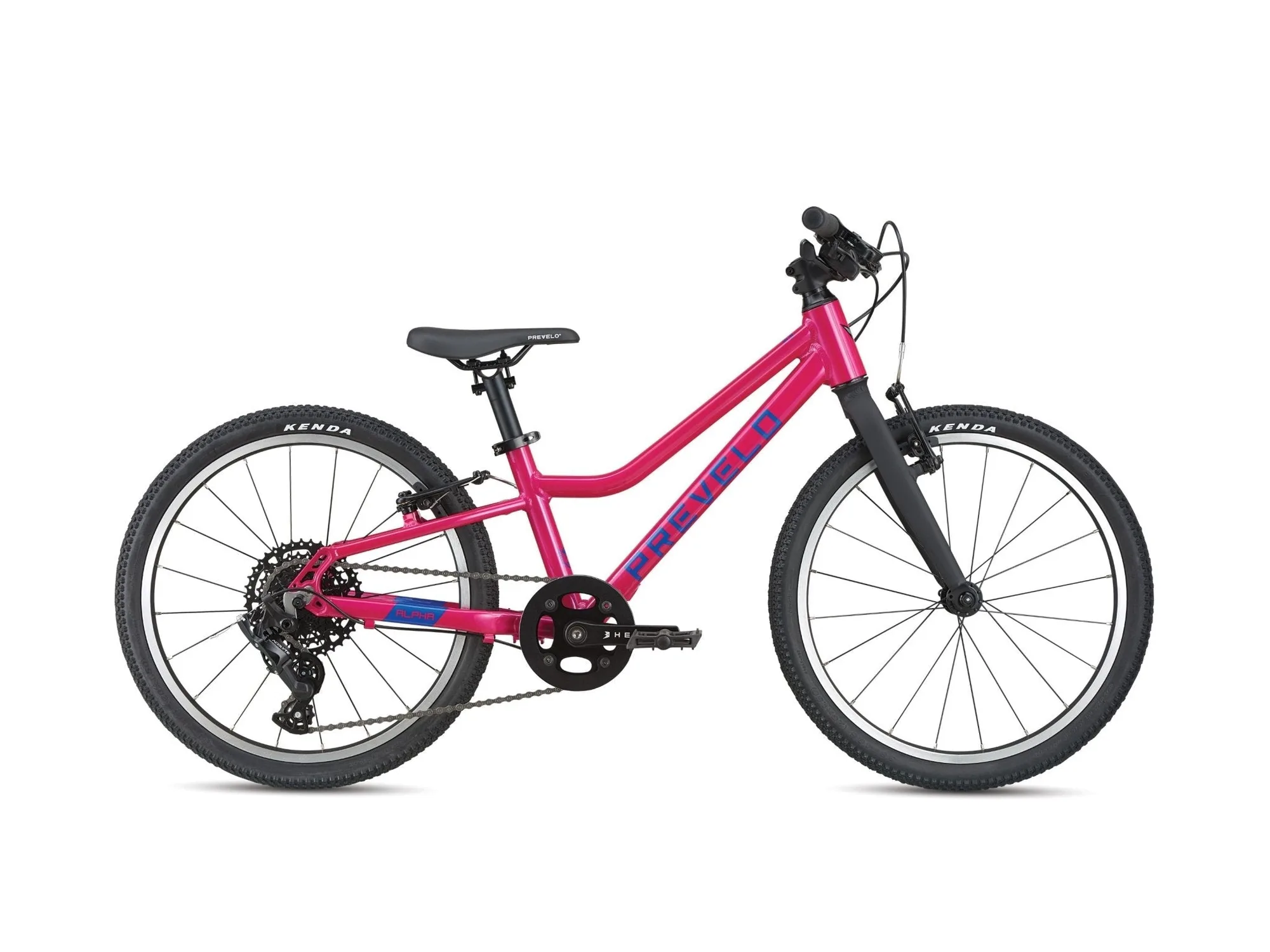
- Alpha Three / MkII / Party Pink / Good / (OUTLET): This outlet listing is an Alpha Three MkII in Party Pink, listed in Good condition. An outlet bike is a practical starting point if you are building up a bike and plan to choose pedals and grips separately to match your child's preferences.
Who these pedal choices are for
Best for
- Parents replacing worn or damaged pedals on a kids' bike
- Riders ages 3 to 10 who need a platform sized to their shoe
- Families refreshing an outlet or hand-me-down Prevelo bike
Not for
- Riders who need clipless or clip-in pedals for competitive cycling
- Adults looking for full-size mountain or road pedals
- Anyone who has not confirmed the crank thread size
Choosing pedals for your child's bike comes down to three things: the right thread, a platform that fits their shoe, and a grip level that matches how they ride. Get those right and you will spend less time adjusting and more time riding. If your child is outgrowing the bike itself, look at the Prevelo Trade-Up Club before investing in parts for a frame that no longer fits.